Preparing for Pregnancy: A Complete Preconception Health Checklist
Preparing for Pregnancy: A Complete Preconception Health Checklist
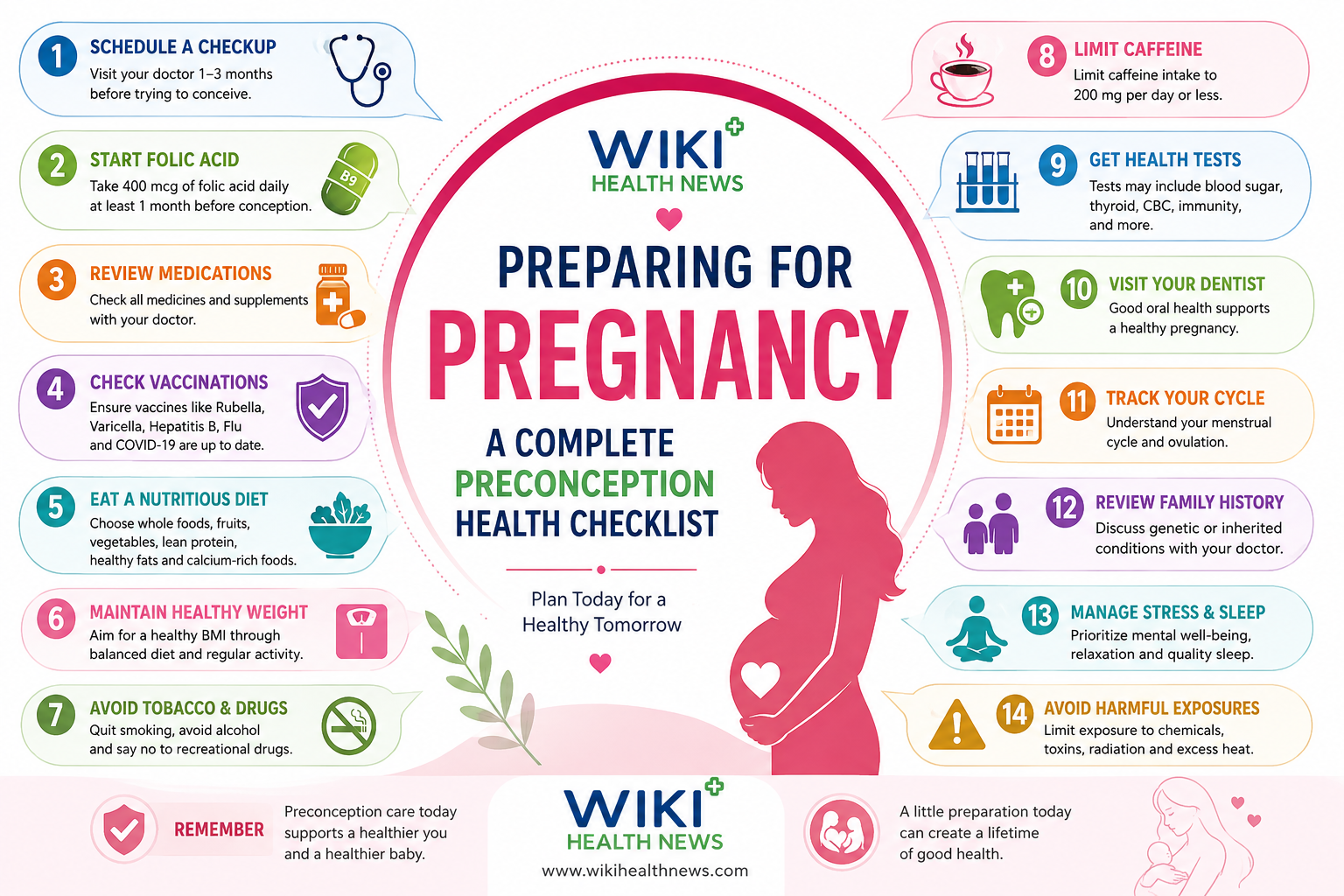
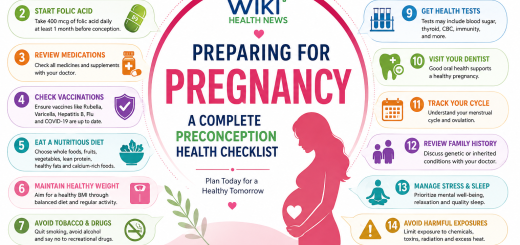
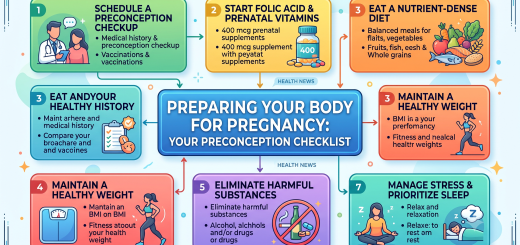
Preparing for pregnancy is an important step toward a healthy pregnancy and a healthy baby. Preconception care focuses on improving your health before conception, identifying potential risks early, and ensuring that medications, vaccinations, nutrition, and lifestyle habits are pregnancy-ready.
1. Schedule a Preconception Checkup
Ideally, meet your gynecologist or healthcare provider at least 1–3 months before trying to conceive. Depending on your health history, your doctor may review:
- Blood pressure, weight and BMI
- Menstrual cycle and ovulation history
- Previous pregnancies and miscarriages
- Diabetes, thyroid disease, hypertension and other chronic conditions
- Current medications and supplements
- Family history of genetic or inherited conditions
- Mental health and lifestyle factors
If you have a chronic medical condition, preconception planning may need to begin earlier.
2. Start Folic Acid
Folic acid is one of the most important preconception nutrients because adequate folate before conception and during early pregnancy helps reduce the risk of neural tube defects.
For most people planning pregnancy, 400 micrograms (mcg) of folic acid daily is recommended, beginning at least 1 month before conception and continuing through early pregnancy.
Some people may require a higher dose because of specific medical or pregnancy-related risk factors. This should be determined by a healthcare professional.
3. Review Your Medications
Do not stop prescription medicines on your own.
Ask your doctor to review everything you take, including:
- Prescription medicines
- Over-the-counter painkillers
- Herbal products
- Vitamins and supplements
- Acne medications
- Weight-loss medicines
Some medicines are unsuitable during pregnancy, while others may need dose adjustment or substitution before conception.
4. Check Vaccination Status
Certain infections can cause serious complications during pregnancy. Before trying to conceive, check whether your vaccinations are up to date.
Your healthcare provider may review protection against infections such as:
- Rubella
- Varicella (chickenpox)
- Hepatitis B
- Influenza
- COVID-19
Some live vaccines, such as MMR and varicella, are generally given before pregnancy rather than during pregnancy. Your clinician can advise on timing.
5. Optimize Your Diet
A balanced diet supports reproductive health and provides essential nutrients for early fetal development.
Include:
- Green leafy vegetables
- Fruits
- Whole grains
- Pulses and beans
- Eggs, fish or other protein sources
- Nuts and seeds
- Milk or suitable dairy alternatives
- Healthy unsaturated fats
Limit highly processed foods, excess added sugar and foods high in unhealthy fats.
If you follow a vegetarian or vegan diet, discuss nutrients such as vitamin B12, iron, iodine, vitamin D and omega-3 fatty acids with your healthcare provider.
6. Aim for a Healthy Weight
Being significantly high or low weight can affect ovulation, fertility and pregnancy outcomes.
Rather than following crash diets, focus on sustainable habits:
Healthy eating + regular physical activity + adequate sleep + gradual weight management
If you have obesity or are substantially underweight, personalized preconception advice can be particularly helpful.
7. Stop Smoking and Avoid Recreational Drugs
Smoking can negatively affect fertility and pregnancy and increases risks to the developing baby.
If you smoke, quitting before conception is ideal.
Avoid recreational drugs and discuss alcohol use with your healthcare provider. Once pregnancy is possible or confirmed, avoiding alcohol is the safest approach.
8. Limit Excess Caffeine
High caffeine intake during pregnancy has been associated with increased pregnancy risks. If you regularly consume large amounts of coffee, tea, energy drinks or other caffeinated beverages, gradually reducing your intake before conception can make the transition easier.
9. Get Appropriate Health Tests
Your doctor may recommend tests based on your medical history, age, symptoms and family history. Possible assessments include:
| Assessment | Why it may be considered |
|---|---|
| Blood pressure | Detect hypertension |
| Blood glucose/HbA1c | Identify diabetes or prediabetes |
| Thyroid testing | Evaluate suspected thyroid disease |
| CBC/hemoglobin | Check for anemia |
| Blood group/Rh status | Pregnancy planning information |
| Rubella/varicella immunity | Determine vaccination needs |
| STI screening | Identify treatable infections |
| Genetic carrier screening | Assess inherited-condition risks |
| Cervical screening | Keep routine screening up to date |
Not everyone needs every test. Your clinician can personalize the checklist.
10. Visit Your Dentist
Dental health is part of pregnancy preparation. Treating dental problems before pregnancy can make it easier to maintain good oral health during pregnancy.
Continue regular:
- Brushing
- Flossing
- Dental checkups
- Treatment of cavities or gum disease when required
Tell your dentist if you are planning pregnancy.
11. Review Your Menstrual Cycle
Understanding your menstrual cycle can help identify your fertile window.
Track:
- First day of each period
- Cycle length
- Changes in cervical mucus
- Ovulation predictor tests, if desired
- Other recurring symptoms
Very irregular periods, absent periods or significant menstrual changes deserve medical evaluation before attempting conception.
12. Review Family and Genetic History
Tell your healthcare provider if you or your partner have:
- A known inherited disorder
- A family history of genetic disease
- Previous pregnancy affected by a genetic condition
- Recurrent pregnancy loss
- A child with a congenital condition
Genetic counseling or carrier screening may be appropriate in selected situations.
13. Prioritize Sleep and Mental Well-Being
Preconception health isn’t only about physical health.
Aim for a consistent sleep schedule and address significant stress, anxiety or depression with an appropriate healthcare professional.
Helpful habits include:
- Regular exercise
- Relaxation techniques
- Social support
- Adequate sleep
- Limiting excessive screen time before bed
14. Make Your Home and Workplace Pregnancy-Safer
Review possible exposures to:
- Tobacco smoke
- Certain chemicals and solvents
- Pesticides
- Radiation
- Heavy metals
- Cat or animal feces
- Excessive heat
If your job involves potentially hazardous exposures, discuss appropriate protective measures with your employer and healthcare provider.
15. Plan for Pregnancy Financially and Practically
Pregnancy preparation also involves practical planning.
Consider:
- Health insurance coverage
- Prenatal care costs
- Maternity leave
- Transportation
- Support from family or caregivers
- Choosing a healthcare provider
- Emergency contact arrangements
Preconception Checklist: Quick Reference
Before trying to conceive:
☐ Book a preconception appointment
☐ Start appropriate folic acid
☐ Review medications and supplements
☐ Check vaccination status
☐ Optimize nutrition
☐ Aim for a healthy weight
☐ Stop smoking and avoid recreational drugs
☐ Avoid alcohol when trying to conceive
☐ Moderate caffeine intake
☐ Review chronic medical conditions
☐ Check dental health
☐ Review menstrual cycles and fertility
☐ Discuss genetic/family history
☐ Consider recommended health tests
☐ Prioritize sleep and mental well-being
☐ Review workplace/environmental exposures
When Should You Seek Medical Advice?
Don’t wait until pregnancy occurs if you have a chronic medical condition, take regular medication, have very irregular periods, have experienced recurrent pregnancy loss, have known fertility concerns, or have a family history of an inherited disorder.
Final Takeaway
Preparing for pregnancy starts before the positive pregnancy test. A preconception visit, folic acid, healthy nutrition, medication review, vaccination assessment, healthy lifestyle and management of existing health conditions can help create a stronger foundation for pregnancy.
If you are planning pregnancy, discuss your individual checklist with your gynecologist or healthcare provider rather than relying on a one-size-fits-all plan.
Planning a healthy pregnancy begins with improving overall health before conception. Read our guide on First Trimester Pregnancy Diet for practical nutrition advice. Women with high blood pressure can review Hypertension Prevention and learn how lifestyle changes may support cardiovascular health. If blood sugar is a concern, our Prediabetes: How to Reverse It Naturally guide provides useful information about diet and lifestyle. You can also explore Balanced Diet Plan for healthy eating strategies. These resources can complement professional preconception counseling and help women develop healthier habits before pregnancy.
References
- American College of Obstetricians and Gynecologists (ACOG) – Prepregnancy Counseling
ACOG: Prepregnancy Counseling - ACOG – Good Health Before Pregnancy: Prepregnancy Care
ACOG: Good Health Before Pregnancy - CDC – Folic Acid: Sources and Recommended Intake
CDC: Folic Acid Recommendations - CDC – About Folic Acid
CDC: About Folic Acid - CDC – Folic Acid: Facts for Clinicians
CDC: Folic Acid for Clinicians
ACOG recommends reviewing medical conditions, medications, vaccinations, nutrition, lifestyle, genetic history and environmental exposures during preconception care. The CDC recommends 400 mcg of folic acid daily for women capable of becoming pregnant.
About the Author
Dr. Nabaneeta Padhy, MBBS, MD (Obstetrics & Gynaecology)
IVF Specialist | Fertility Expert | Medical Director, Femelife IVF Group
Dr. Nabaneeta Padhy is an IVF and reproductive medicine specialist with a professional focus on infertility evaluation, assisted reproductive technologies, women’s reproductive health, and fertility care. She serves as Medical Director of Femelife IVF Group and Founder of Femelife Fertility Foundation. She is also the Founder & Chief Editor of Wiki Health News, where she supports evidence-informed health education and patient awareness.
Medical Qualifications: MBBS, MD (Obstetrics & Gynaecology)
Specialization: IVF & Reproductive Medicine, Infertility, Women’s Health
Current Roles: Medical Director, Femelife IVF Group; Founder, Femelife Fertility Foundation; Founder & Chief Editor, Wiki Health News
Profile: Dr. Nabaneeta Padhy – Wiki Health News
Fertility Profile: Dr. Nabaneeta Padhy – Femelife IVF
Medical Disclaimer
The information provided in this article, “Preparing for Pregnancy: A Complete Preconception Health Checklist,” is intended for general educational and informational purposes only. It is not a substitute for professional medical advice, diagnosis, or treatment.
Every pregnancy and individual health situation is different. Recommendations regarding medications, supplements, folic acid dosage, vaccinations, medical tests, fertility treatment, and preconception care should be discussed with a qualified gynecologist, obstetrician, or other appropriate healthcare professional.
Do not start, stop, or change any medication or supplement without consulting your healthcare provider. If you are pregnant, planning pregnancy, experiencing fertility concerns, or have an existing medical condition, seek personalized medical guidance.
Wiki Health News and its authors do not accept responsibility for decisions made solely on the basis of information published on this website.
Here is a concise, SEO-friendly medical disclaimer you can place at the end of the article:
Medical Disclaimer
The information provided in this article, “Preparing for Pregnancy: A Complete Preconception Health Checklist,” is intended for general educational and informational purposes only. It is not a substitute for professional medical advice, diagnosis, or treatment.
Every pregnancy and individual health situation is different. Recommendations regarding medications, supplements, folic acid dosage, vaccinations, medical tests, fertility treatment, and preconception care should be discussed with a qualified gynecologist, obstetrician, or other appropriate healthcare professional.
Do not start, stop, or change any medication or supplement without consulting your healthcare provider. If you are pregnant, planning pregnancy, experiencing fertility concerns, or have an existing medical condition, seek personalized medical guidance.
Wiki Health News and its authors do not accept responsibility for decisions made solely on the basis of information published on this website.
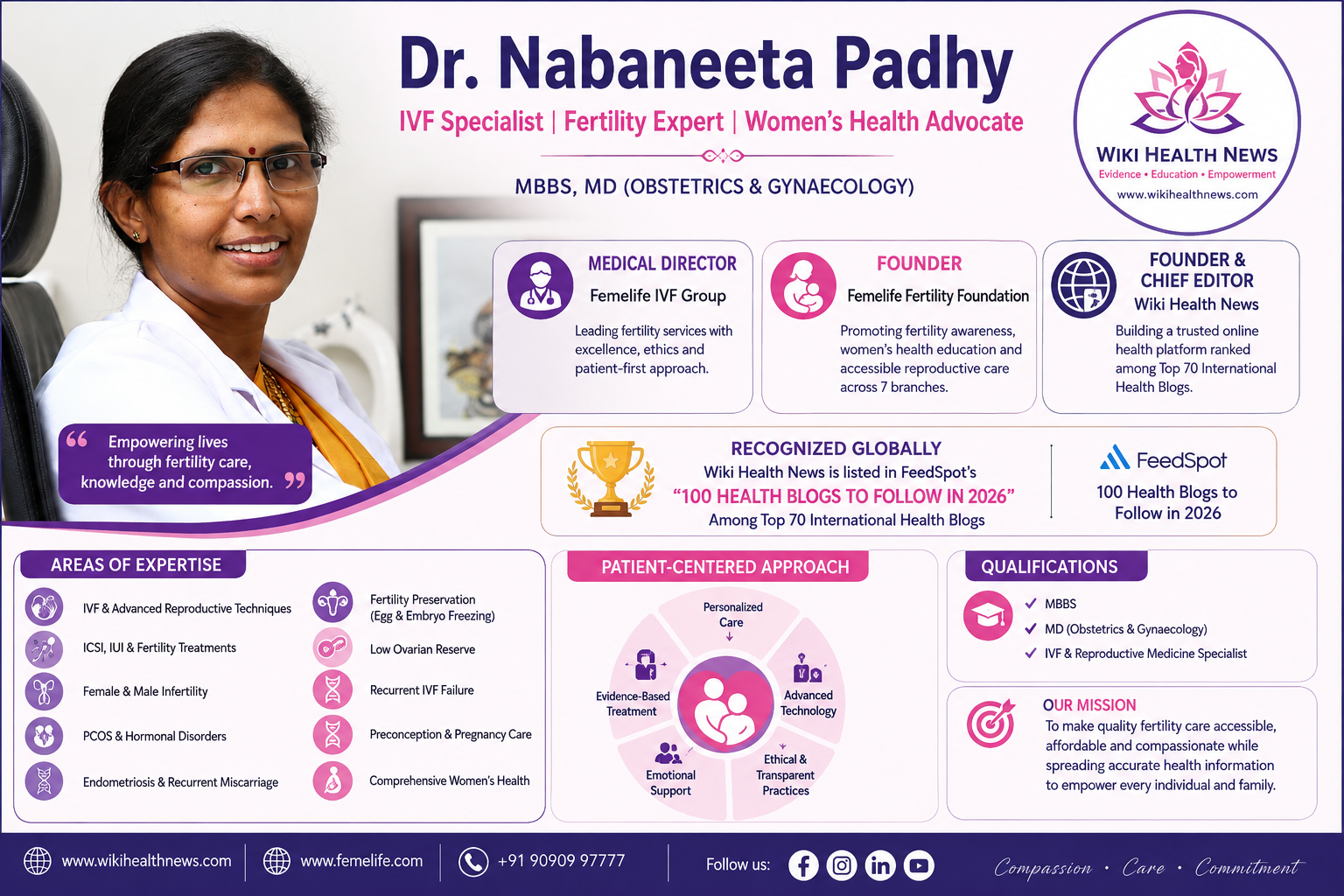
MBBS and MD (Obstetrics & Gynaecology), Dr. Padhy has developed her professional focus around infertility evaluation, assisted reproductive technologies, IVF treatment, reproductive health, and personalized fertility care.
![Lipoprotein(a) [Lp(a)]](https://wikihealthnews.com/wp-content/uploads/2026/08/Understanding_Lipoproteina_Cardiovascular_Risk-scaled-e1787719701457-520x245.png)