Mental Health
Mental Health: Importance, Common Conditions, Symptoms and Treatment
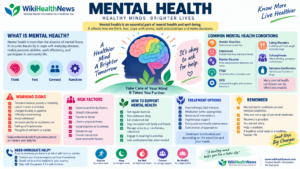
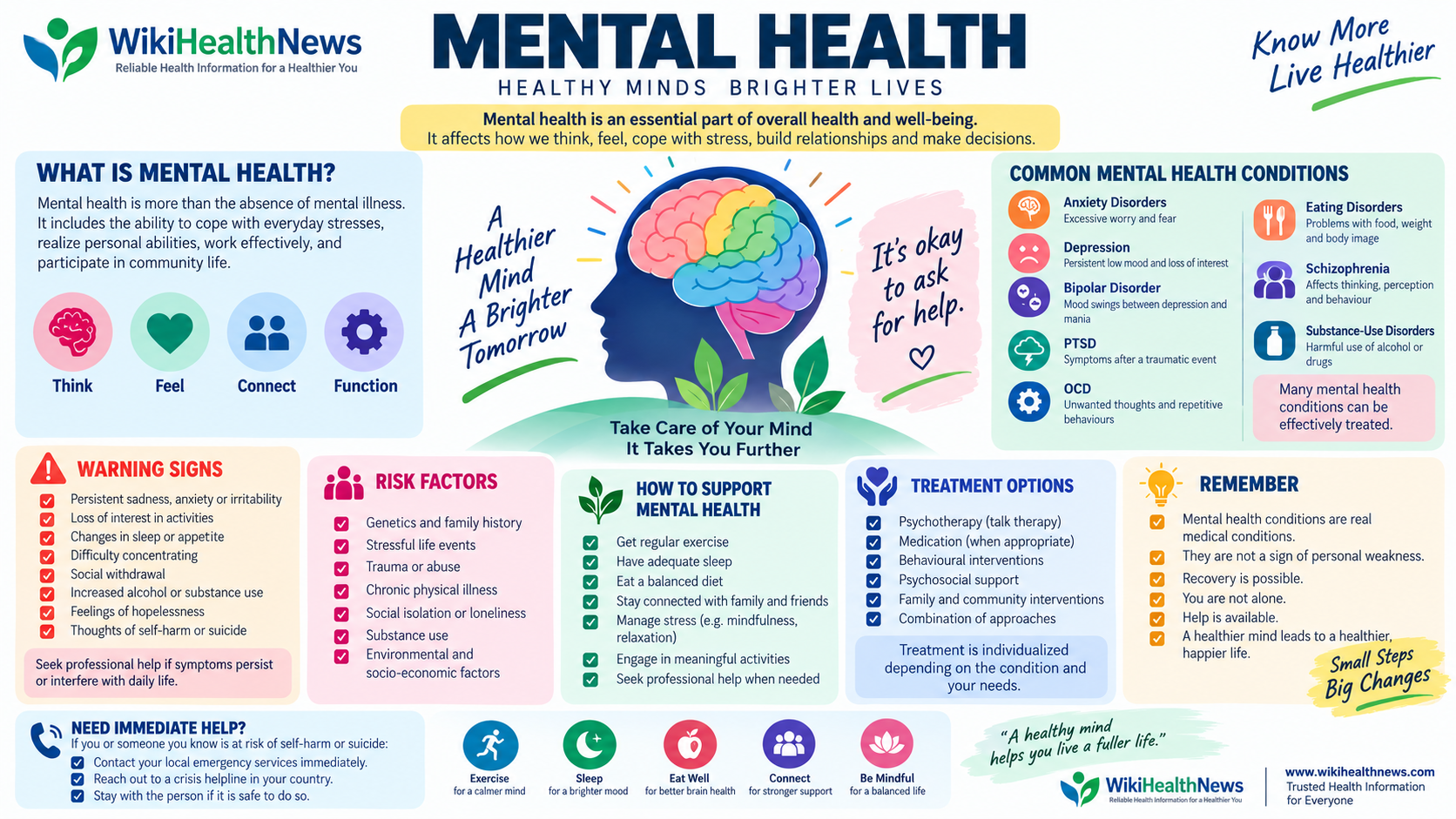
Mental health is an essential part of overall health and well-being. It influences how people think, feel, cope with stress, build relationships, make decisions, learn, and work. According to the World Health Organization (WHO), mental health is more than simply the absence of mental illness; it includes the ability to cope with everyday stresses, realize personal abilities, work effectively, and participate in community life.
What Is Mental Health?
Mental health exists on a continuum and can change throughout life. Stressful life events, physical illness, social circumstances, genetics, substance use, trauma, and environmental factors can influence psychological well-being. Protective factors include supportive relationships, emotional skills, safe living environments, education, meaningful work, and access to healthcare.
Mental health conditions range from relatively common problems such as anxiety and depression to conditions such as bipolar disorder, post-traumatic stress disorder (PTSD), eating disorders, obsessive-compulsive disorder (OCD), and schizophrenia.
The WHO reports that nearly 1 in 7 people worldwide were living with a mental disorder in 2021, with anxiety and depressive disorders among the most common.
Common Mental Health Conditions
Anxiety Disorders
Anxiety disorders involve excessive or persistent fear, worry, or apprehension that can interfere with daily activities, relationships, education, or work. Physical symptoms may include palpitations, sweating, muscle tension, gastrointestinal symptoms, and sleep disturbance. Effective psychological treatments are available, and medication may be appropriate for some patients.
Depression
Depression is more than temporary sadness. Symptoms can include persistent low mood, loss of interest or pleasure, fatigue, sleep changes, appetite changes, impaired concentration, feelings of guilt or low self-worth, and hopelessness. Persistent symptoms that interfere with daily functioning warrant professional assessment.
Bipolar Disorder
Bipolar disorder involves episodes of depression and periods of mania or hypomania. Manic symptoms may include increased energy, reduced need for sleep, rapid speech, racing thoughts, increased self-confidence, and impulsive behaviour. Treatment commonly combines medication with psychological and psychosocial interventions.
Other Conditions
Other important mental health conditions include PTSD, OCD, eating disorders, personality disorders, substance-use disorders, and schizophrenia. Symptoms and treatment differ substantially between conditions, so diagnosis should be made by an appropriately qualified healthcare professional.
Warning Signs of Poor Mental Health
People should consider seeking professional help when emotional or behavioural changes are persistent or significantly interfere with daily life. Warning signs may include:
- Persistent sadness, anxiety, irritability, or hopelessness
- Loss of interest in previously enjoyable activities
- Major changes in sleep or appetite
- Difficulty concentrating or functioning at work or school
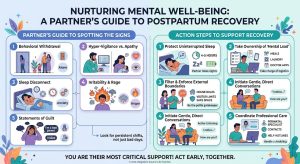
- Social withdrawal
- Excessive substance or alcohol use
- Unexplained physical symptoms associated with psychological distress
- Thoughts of self-harm or suicide
Immediate professional help is particularly important when someone has thoughts of suicide, self-harm, or feels unable to remain safe.
How Can Mental Health Be Improved?
Maintaining regular sleep, physical activity, healthy nutrition, social connections, meaningful activities, and stress-management practices can support mental well-being. However, lifestyle measures should not replace professional treatment when a mental health condition is present.
Evidence-based treatment may include psychotherapy, medication, behavioural interventions, psychosocial rehabilitation, family interventions, or combinations of these approaches, depending on the diagnosis and individual circumstances. WHO emphasizes that many mental health conditions can be effectively treated, although access to quality care remains inadequate in many parts of the world.
Mental and physical health are also closely interconnected. Mental health conditions may coexist with cardiovascular disease, diabetes, chronic pain, and other medical conditions, while physical illnesses can adversely affect psychological well-being.
When to Seek Help
Mental health problems are medical conditions and should not be viewed as a personal weakness. A primary-care physician, psychiatrist, psychologist, or other qualified mental-health professional can help assess symptoms and determine appropriate treatment.
If someone is in immediate danger or experiencing thoughts of suicide or self-harm, seek emergency medical assistance or contact an appropriate local crisis service immediately.
Medical disclaimer: This article is intended for general health education and does not replace professional medical evaluation, diagnosis, or treatment.
Frequently Asked Questions About Mental Health
1. What is mental health?
Mental health refers to emotional, psychological, and social well-being. It affects how a person thinks, feels, handles stress, relates to others, and functions in everyday life.
2. Why is mental health important?
Good mental health supports healthy relationships, decision-making, productivity, coping with stress, and overall quality of life. Mental and physical health are closely interconnected.
3. What are common mental health disorders?
Common conditions include depression, anxiety disorders, bipolar disorder, obsessive-compulsive disorder (OCD), post-traumatic stress disorder (PTSD), eating disorders, schizophrenia, and substance-use disorders.
4. What are the warning signs of a mental health problem?
Persistent sadness, excessive worry, irritability, social withdrawal, loss of interest, major sleep or appetite changes, poor concentration, difficulty functioning, and feelings of hopelessness may indicate a mental health problem.
5. What are symptoms of depression?
Symptoms may include persistent low mood, loss of interest or pleasure, fatigue, sleep disturbances, appetite changes, difficulty concentrating, feelings of worthlessness or guilt, and hopelessness.
6. What is anxiety?
Anxiety involves excessive fear, worry, or apprehension that may become persistent and interfere with daily activities. Physical symptoms can include palpitations, sweating, muscle tension, and gastrointestinal discomfort.
7. Is anxiety always a mental disorder?
No. Occasional anxiety is a normal response to stress or perceived danger. It may represent an anxiety disorder when symptoms are excessive, persistent, difficult to control, and interfere with daily functioning.
8. Can stress affect mental health?
Yes. Prolonged or severe stress can contribute to anxiety, depression, sleep problems, irritability, and difficulties with concentration and functioning.
9. Can mental health problems affect physical health?
Yes. Mental health and physical health influence each other. Psychological disorders may coexist with or contribute to difficulties managing chronic physical illnesses, while physical illness can affect emotional well-being.
10. Can lack of sleep affect mental health?
Yes. Poor or insufficient sleep can worsen mood, concentration, emotional regulation, and stress. Persistent sleep problems should be discussed with a healthcare professional.
11. How can I improve my mental health?
Regular physical activity, adequate sleep, healthy nutrition, social connection, relaxation techniques, meaningful activities, and professional support when needed can promote mental well-being.
12. Does exercise help mental health?
Regular physical activity can support psychological well-being and may reduce symptoms of anxiety and depression in some people. Exercise should complement, rather than automatically replace, appropriate medical treatment.
13. Can meditation help with stress?
Relaxation and mindfulness practices may help some people manage stress and improve emotional well-being. They should not replace professional treatment when a diagnosed mental health condition requires care.
14. When should someone see a mental health professional?
Professional assessment is appropriate when symptoms persist, worsen, cause significant distress, interfere with work or relationships, or make everyday activities difficult.
15. Who can diagnose a mental health disorder?
Depending on the healthcare system and condition, assessment may involve a psychiatrist, psychologist, physician, or other appropriately qualified mental-health professional.
16. Can mental health disorders be treated?
Yes. Many mental health disorders can be treated or effectively managed. Treatment may include psychotherapy, medication, behavioural interventions, psychosocial support, or a combination of approaches.
17. What is psychotherapy?
Psychotherapy, sometimes called talk therapy, involves structured psychological interventions designed to help people understand and manage emotions, thoughts, behaviours, and interpersonal difficulties.
18. Do all mental health conditions require medication?
No. Treatment depends on the specific condition, severity, symptoms, medical history, preferences, and clinical circumstances. Some conditions may respond well to psychotherapy or psychosocial interventions, while others may require medication or combined treatment.
19. What is bipolar disorder?
Bipolar disorder is a mental health condition characterized by episodes of depression and episodes of mania or hypomania. Treatment is individualized and may include medication and psychological or psychosocial interventions.
20. What is PTSD?
Post-traumatic stress disorder (PTSD) can develop following exposure to a traumatic event. Symptoms may include intrusive memories, avoidance, negative changes in mood or thinking, and increased arousal or reactivity.
21. What is OCD?
Obsessive-compulsive disorder involves recurrent unwanted thoughts, images, or urges called obsessions and/or repetitive behaviours or mental acts called compulsions. These symptoms can cause significant distress or interfere with daily life.
22. Can children and teenagers develop mental health problems?
Yes. Children and adolescents can experience anxiety, depression, behavioural disorders, eating disorders, and other mental health conditions. Changes in behaviour, school performance, sleep, mood, or social interaction may warrant assessment.
23. Can older adults experience mental health problems?
Yes. Older adults can experience depression, anxiety, cognitive disorders, substance-use problems, and other psychological conditions. New or significant changes should be evaluated because medical and medication-related causes may also contribute.
24. Does social isolation affect mental health?
Persistent social isolation or loneliness can adversely affect psychological well-being. Maintaining supportive relationships and seeking professional help when isolation becomes distressing can be beneficial.
25. Can alcohol and drugs affect mental health?
Yes. Alcohol and psychoactive substances can worsen existing mental health symptoms and may contribute to anxiety, depression, sleep problems, dependence, and other complications.
26. What is the difference between sadness and depression?
Sadness is a normal emotional response and often improves with time or changing circumstances. Depression is a medical condition involving persistent symptoms that can substantially affect mood, interest, thinking, physical health, and daily functioning.
27. Can mental health problems be prevented?
Not every mental health condition can be prevented. However, supportive relationships, healthy lifestyle habits, stress-management skills, early recognition of symptoms, and timely access to care may reduce risk or limit complications.
28. Is mental illness a sign of personal weakness?
No. Mental health disorders are health conditions influenced by biological, psychological, social, and environmental factors. Seeking professional help is an appropriate healthcare decision.
29. What should I do if someone talks about suicide or self-harm?
Take the statement seriously, stay with the person if it is safe to do so, and seek urgent professional or emergency assistance. If there is immediate danger, contact local emergency medical services or take the person to the nearest emergency department.
30. Where can I get help for a mental health problem?
Start with a qualified healthcare professional, psychiatrist, psychologist, or appropriate mental-health service. In an emergency involving immediate risk of self-harm or suicide, seek emergency medical assistance immediately.
Medical disclaimer: This FAQ is intended for general health education and does not replace professional medical evaluation, diagnosis, or treatment.
- Stress and heart health → relevant Wiki Health News article
- Sleep and health → relevant sleep-health article
- Depression → dedicated depression article
- Anxiety disorders → dedicated anxiety article
- Stress management → stress-management guide
- Health calculators → Wiki Health News Health Tools
- Medical exam preparation and question bank → Medicine Question Bank
Authoritative external references
About the Author
Dr. Sujit Kumar Sahu
Consultant Interventional Cardiologist
MBBS, MD (General Medicine), DNB (Cardiology), FSCAI, FESC, ICCPR-CRFC, FACC
Dr. Sujit Kumar Sahu is a Consultant Interventional Cardiologist with extensive experience in clinical cardiology and interventional cardiovascular care. His areas of interest include coronary artery disease, acute coronary syndromes, angiography, percutaneous coronary intervention, cardiac risk assessment, and cardiovascular prevention.
Medical content reviewed
Content type: Patient Education
Publication: Wiki Health News