How to Prepare Your Body for Pregnancy: Essential Preconception Tips
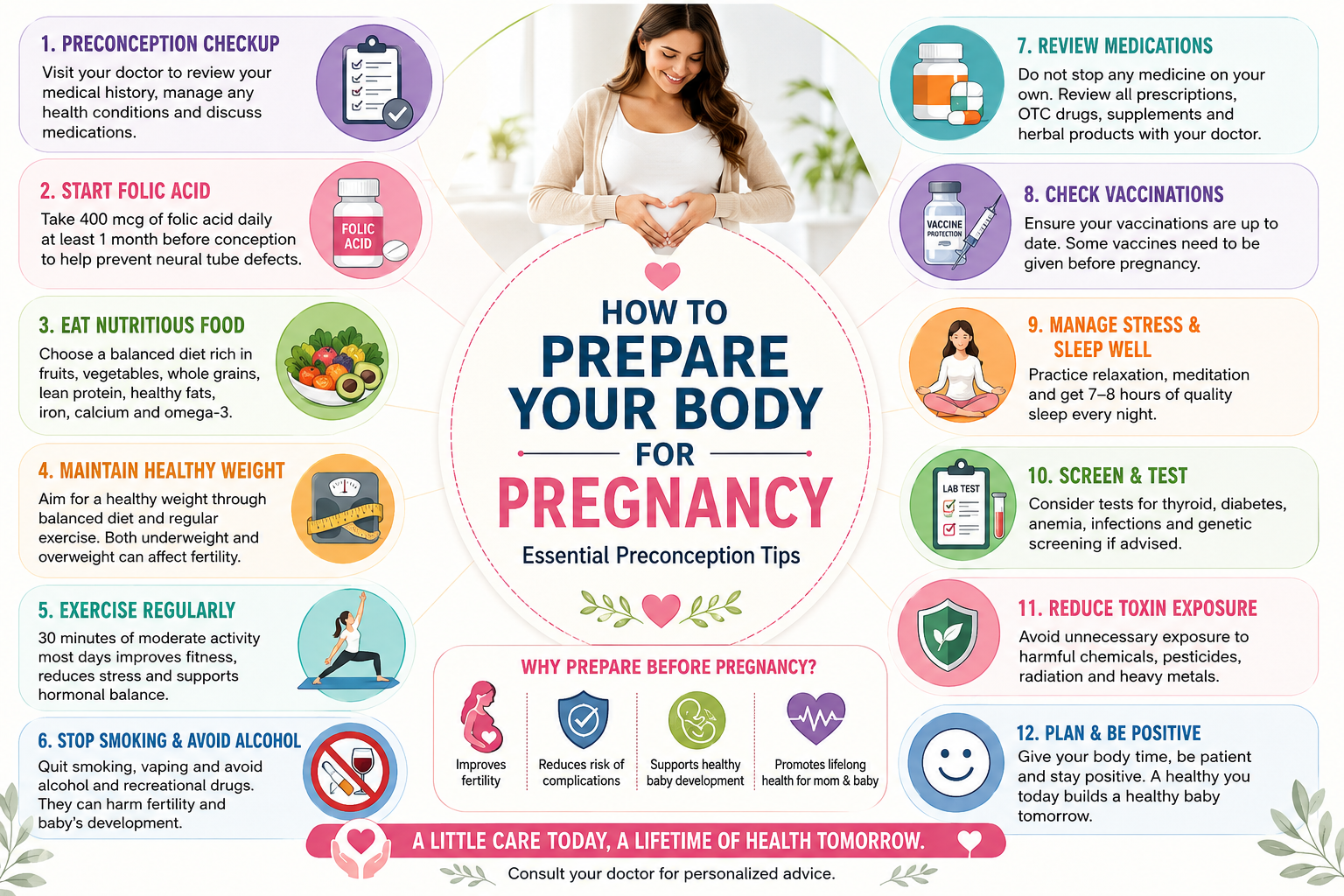
How to Prepare Your Body for Pregnancy: Essential Preconception Tips
Preparing your body before pregnancy is an important step toward a healthy pregnancy and baby. Preconception care focuses on improving your health, identifying medical risks, reviewing medications, and adopting healthy lifestyle habits before conception. Ideally, preparation should begin at least a few months before trying to conceive.
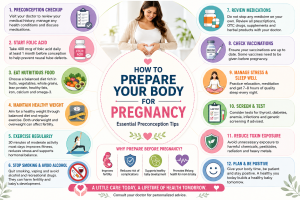
1. Schedule a Preconception Checkup
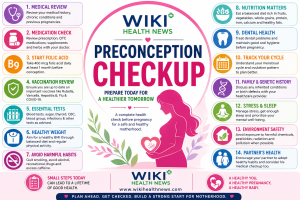
A preconception appointment allows your doctor to review your medical history, previous pregnancies, medications, vaccinations, family history, and lifestyle. Conditions such as diabetes, high blood pressure, thyroid disorders, and other chronic illnesses should be appropriately managed before pregnancy. (ACOG)
Depending on your history, your healthcare provider may recommend blood tests, cervical screening, infection screening, genetic counseling, or other investigations.
2. Start Folic Acid Before Pregnancy
Folic acid is one of the most important nutrients before conception. The CDC recommends 400 micrograms (mcg) of folic acid daily for women capable of becoming pregnant. It should ideally be started at least one month before conception and continued during early pregnancy because the neural tube develops very early. (CDC)
Women with certain risk factors, including a previous pregnancy affected by a neural tube defect, may require a higher dose under medical supervision. (CDC)
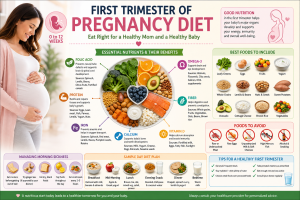
Internal link: Read our guide on First Trimester Pregnancy Diet for nutrition considerations during early pregnancy.
3. Follow a Balanced, Nutrient-Rich Diet
Build your meals around vegetables, fruits, whole grains, pulses, beans, nuts, seeds, eggs, and other appropriate protein sources. Pay attention to nutrients such as iron, folate, vitamin B12, calcium, vitamin D, iodine, and omega-3 fatty acids.
A healthy diet can also help you achieve and maintain an appropriate weight before conception. Both very low and high body weight can be associated with fertility and pregnancy complications. (ACOG)
Internal link: Explore Healthy Diet Tips and Vitamin C Rich Foods for practical nutrition ideas.
4. Maintain a Healthy Weight
Aim for a healthy weight through balanced nutrition and regular physical activity rather than crash dieting. If you are underweight or overweight, discuss a safe weight-management plan with your doctor before attempting pregnancy.
5. Exercise Regularly
Regular moderate physical activity can support cardiovascular health, muscle strength, sleep, mood, and healthy weight management. Walking, swimming, cycling, and pregnancy-appropriate strength exercises may be useful options. If you have a medical condition or are starting an exercise program, discuss the appropriate intensity with your healthcare professional.
Internal link: See Heart Health Tips for additional healthy-lifestyle strategies.
6. Stop Smoking and Avoid Alcohol
Smoking, vaping or nicotine exposure, alcohol, and recreational drugs can negatively affect pregnancy and fetal development. The CDC recommends stopping smoking and alcohol use when planning pregnancy. (CDC)
If stopping is difficult, seek professional help rather than trying to manage dependence alone.
7. Review Medicines and Supplements
Do not stop prescribed medication on your own. Instead, give your doctor a complete list of prescription medicines, over-the-counter drugs, vitamins, supplements, and herbal products. Some medicines may need to be changed before conception. (ACOG)
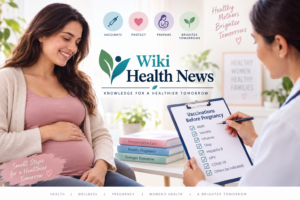
8. Check Your Vaccinations
Review your vaccination history before pregnancy. Some vaccines are preferably administered before conception because certain live vaccines are not recommended during pregnancy. Your doctor can determine which vaccinations you need based on your health, age, occupation, travel, and immunization history. (ACOG)
9. Consider Genetic and Infection Screening
A family history of inherited disorders may indicate a need for genetic counseling or carrier screening. Your doctor may also recommend testing for sexually transmitted infections or other infections depending on your circumstances. (ACOG)
10. Reduce Exposure to Harmful Substances
Try to minimize exposure to pesticides, certain chemicals, heavy metals, and other environmental contaminants at home or work. Use appropriate protective measures and discuss occupational exposures with your healthcare provider. (CDC)
11. Prioritize Sleep and Mental Well-Being
Good sleep, stress management, social support, and treatment of existing mental-health concerns are important parts of overall preconception health. Tell your healthcare provider about significant anxiety, depression, sleep problems, or medications you are taking so that treatment can be safely optimized.
12. Make a Preconception Checklist
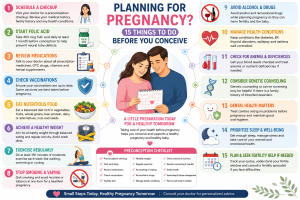
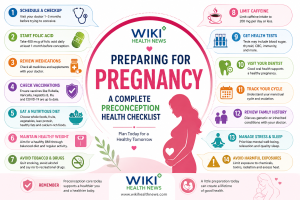
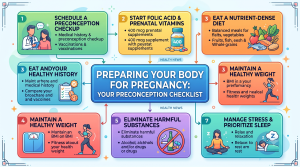
Before trying to conceive, consider completing these steps:
- Schedule a preconception appointment.
- Start 400 mcg folic acid daily, unless your doctor recommends otherwise.
- Review all medications and supplements.
- Check vaccinations.
- Manage chronic medical conditions.
- Eat a balanced, nutrient-rich diet.
- Work toward a healthy weight.
- Exercise regularly.
- Stop smoking and avoid alcohol and recreational drugs.
- Review family history and possible genetic risks.
- Address dental, sexual, and reproductive health concerns.
- Reduce unnecessary exposure to harmful chemicals.
Final Takeaway
Preparing your body for pregnancy is more than simply taking a prenatal vitamin. A comprehensive preconception plan—including folic acid, nutritious food, physical activity, healthy weight management, medication review, vaccination, chronic-disease control, and avoidance of tobacco and alcohol—can help create healthier conditions for conception and pregnancy. (ACOG)
If you have diabetes, hypertension, thyroid disease, epilepsy, a previous pregnancy complication, or take regular medication, seek individualized medical advice before trying to conceive.
Recommended Internal Links for Wiki Health News
Use these as natural anchor-text links within the article:
- First Trimester Pregnancy Diet
- Preparing for Pregnancy
- Preconception Checkup
- Healthy Diet Tips
- Vitamin C Rich Foods
- Importance of Folic Acid During Pregnancy
- Pregnancy Nutrition
- Healthy Weight Management
- Heart Health Tips
- Hypertension Prevention
30 FAQs: How to Prepare Your Body for Pregnancy
1. How long before pregnancy should I start preparing my body?
Ideally, start preparing at least 1–3 months before trying to conceive. This gives you time to optimize nutrition, review medications, update vaccinations, and manage existing health conditions.
2. What is preconception care?
Preconception care is healthcare received before pregnancy. It focuses on improving overall health, identifying potential risks, reviewing medications, and preparing for a healthy pregnancy.
3. Should I see a doctor before trying to get pregnant?
Yes. A preconception consultation can help identify health issues such as diabetes, hypertension, thyroid problems, anemia, or nutritional deficiencies that may need attention before pregnancy.
4. How much folic acid should I take before pregnancy?
For most women who could become pregnant, 400 micrograms (mcg) of folic acid daily is recommended. Some women may need a higher dose because of specific risk factors, so follow your doctor’s advice.
5. When should I start taking folic acid?
Ideally, begin folic acid at least one month before conception and continue during early pregnancy.
6. Can I take a prenatal vitamin before becoming pregnant?
Yes. A prenatal supplement may help provide important nutrients such as folic acid, iron, iodine, and vitamin D. Choose one appropriate for your needs after discussing it with your healthcare professional.
7. What foods should I eat before pregnancy?
Choose a balanced diet containing vegetables, fruits, whole grains, pulses, beans, nuts, seeds, eggs, dairy or suitable alternatives, and healthy protein sources.
8. Should I lose weight before pregnancy?
If you are overweight, gradual weight management before pregnancy may be beneficial. However, avoid crash diets or extreme calorie restriction. A doctor or dietitian can help develop an appropriate plan.
9. Can being underweight affect pregnancy?
Being significantly underweight can sometimes affect ovulation, fertility, and pregnancy outcomes. If you are underweight, discuss healthy weight gain and nutrition with your healthcare provider.
10. Is exercise important before pregnancy?
Yes. Regular moderate physical activity can support cardiovascular fitness, muscle strength, healthy weight, sleep, and overall well-being.
11. How much exercise should I do before pregnancy?
Aim for regular moderate activity, such as brisk walking, swimming, cycling, or appropriate strength training. Your ideal routine depends on your current fitness and medical history.
12. Should I stop smoking before pregnancy?
Yes. Stopping smoking before conception is strongly recommended. Tobacco exposure can affect fertility and pregnancy health. Seek professional support if quitting is difficult.
13. Should I stop drinking alcohol when trying to conceive?
The safest approach is to avoid alcohol when planning pregnancy and during pregnancy.
14. Can caffeine affect pregnancy?
High caffeine intake may be associated with pregnancy risks. If you are planning pregnancy, discuss your caffeine intake with your healthcare professional and consider keeping consumption moderate.
15. Should I stop taking my regular medicines before pregnancy?
Do not stop prescribed medicines on your own. Some medications need to be changed before conception, while others may be continued. Ask your doctor to review all medicines before trying to conceive.
16. Are herbal supplements safe before pregnancy?
Not necessarily. “Natural” does not always mean safe during the preconception period. Tell your doctor about all herbal products and supplements you use.
17. Should I check my vaccinations before pregnancy?
Yes. Your vaccination history should be reviewed during preconception care. Certain vaccines are preferably administered before pregnancy.
18. Should I have a dental checkup before pregnancy?
A dental checkup can be a useful part of preconception health. Treating dental problems and maintaining good oral hygiene can help support overall health during pregnancy.
19. Should thyroid levels be checked before pregnancy?
Thyroid testing may be appropriate for women with thyroid disease, symptoms, infertility, previous pregnancy problems, or other risk factors. Your doctor can determine whether testing is necessary.
20. Should I check my blood sugar before pregnancy?
Women with diabetes or risk factors for diabetes may benefit from blood-glucose testing before conception. Good glucose control before pregnancy is particularly important for women with diabetes.
21. Can high blood pressure affect pregnancy?
Yes. High blood pressure can increase the risk of pregnancy complications. If you have hypertension, it is important to discuss pregnancy planning and medication safety with your doctor.
22. Should I have genetic testing before pregnancy?
Genetic counseling or carrier screening may be considered depending on your family history, ancestry, previous pregnancy history, or other risk factors.
23. What infections should be checked before pregnancy?
Depending on your medical and sexual history, your healthcare provider may recommend screening for certain infections, including sexually transmitted infections and other conditions relevant to pregnancy.
24. Does sleep matter when preparing for pregnancy?
Yes. Maintaining regular, adequate sleep supports general physical and mental well-being. Establishing healthy sleep habits before pregnancy can also make the transition into pregnancy easier.
25. Can stress affect fertility?
Significant stress can affect overall well-being and, in some circumstances, reproductive health. Relaxation techniques, exercise, adequate sleep, social support, and professional counseling can help manage persistent stress.
26. Should I avoid chemicals before pregnancy?
Where possible, reduce unnecessary exposure to pesticides, solvents, heavy metals, and other potentially harmful workplace or household chemicals. Use appropriate protective equipment when exposure cannot be avoided.
27. Does age matter when preparing for pregnancy?
Yes. Fertility generally declines with age, particularly after the mid-30s, and some pregnancy risks increase with maternal age. Women should discuss individualized preconception planning with their healthcare provider.
28. When should I seek help if I cannot become pregnant?
For many couples, evaluation is recommended after 12 months of regular unprotected intercourse if the woman is under 35. Earlier evaluation may be appropriate from age 35 onward or when there are known fertility concerns, irregular periods, previous pelvic problems, or other risk factors.
29. What is the most important thing to do before pregnancy?
There is no single step that works for everyone. A good starting point is a preconception checkup, folic acid supplementation, healthy nutrition, regular exercise, medication review, vaccination review, and avoidance of tobacco and alcohol.
30. What is a simple preconception checklist?
Before trying to conceive:
- Schedule a preconception appointment.
- Start appropriate folic acid supplementation.
- Review medicines and supplements.
- Check vaccination status.
- Manage chronic health conditions.
- Eat a balanced diet.
- Maintain a healthy weight.
- Exercise regularly.
- Stop smoking and avoid alcohol.
- Address dental and reproductive health concerns.
- Review family and genetic history.
- Seek individualized advice when needed.
Medical note: These FAQs are for general education and do not replace individualized medical advice. Women with chronic illnesses, previous pregnancy complications, fertility concerns, or regular medications should consult their obstetrician-gynaecologist or fertility specialist before conception.
References
- Centers for Disease Control and Prevention (CDC) – Planning for Pregnancy (CDC)
CDC: Planning for Pregnancy - CDC – About Folic Acid (CDC)
CDC: About Folic Acid - American College of Obstetricians and Gynecologists (ACOG) – Prepregnancy Counseling (ACOG)
ACOG: Prepregnancy Counseling - ACOG – Good Health Before Pregnancy: Prepregnancy Care (ACOG)
ACOG: Good Health Before Pregnancy - World Health Organization – Periconceptional Folic Acid Supplementation (World Health Organization)
WHO: Periconceptional Folic Acid Supplementation - Office on Women’s Health – Preconception Health (womenshealth.gov)
Office on Women’s Health: Preconception Health
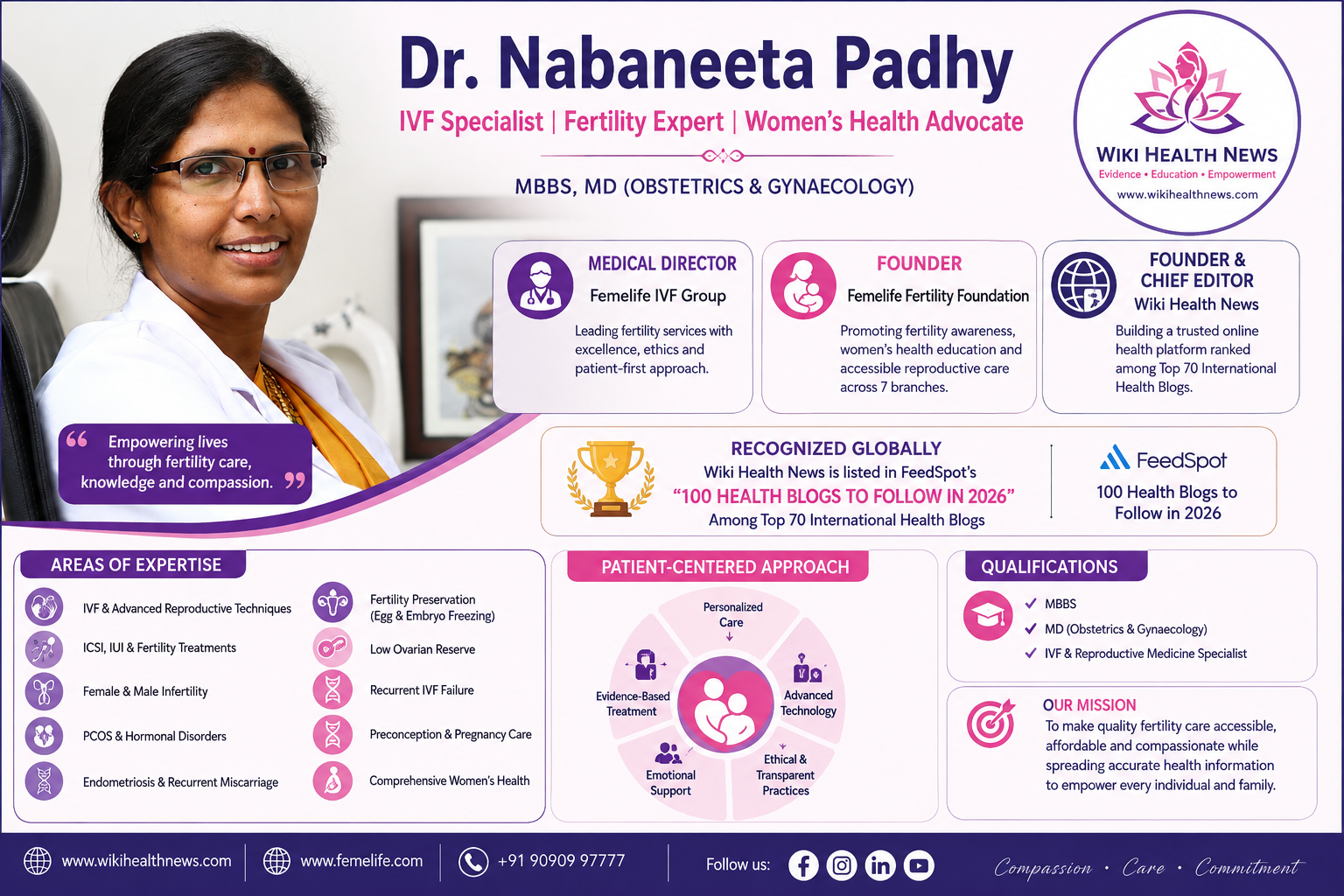
Dr. Nabaneeta Padhy – IVF Specialist
Here is a ready-to-publish author card and medical disclaimer for the article.
About the Author
Dr. Nabaneeta Padhy, MBBS, MD (Obstetrics & Gynaecology)
IVF & Fertility Specialist | Founder, Femelife Fertility Foundation
Dr. Nabaneeta Padhy is an experienced IVF and fertility specialist with a focus on reproductive health, fertility care, preconception counseling, and women’s health. She provides evidence-based guidance to women and couples preparing for pregnancy, with emphasis on healthy lifestyle, appropriate investigations, nutrition, and individualized preconception care.
Medical Content Reviewed By: Dr. Nabaneeta Padhy
Specialty: Obstetrics & Gynaecology / Fertility & Reproductive Medicine
Medical Disclaimer
The information provided in this article is intended for general educational and informational purposes only. It is not a substitute for professional medical advice, diagnosis, or treatment.
Every woman’s health and pregnancy needs are different. Readers should consult a qualified obstetrician, gynaecologist, fertility specialist, or other appropriate healthcare professional before starting supplements, changing medications, or making decisions related to pregnancy.
If you have an existing medical condition, take regular medication, have experienced previous pregnancy complications, or have difficulty conceiving, seek personalized medical advice.
Wiki Health News does not guarantee that all information is suitable for every individual and does not replace a consultation with a qualified healthcare professional.