Preconception Checkup: Complete Guide Before Pregnancy
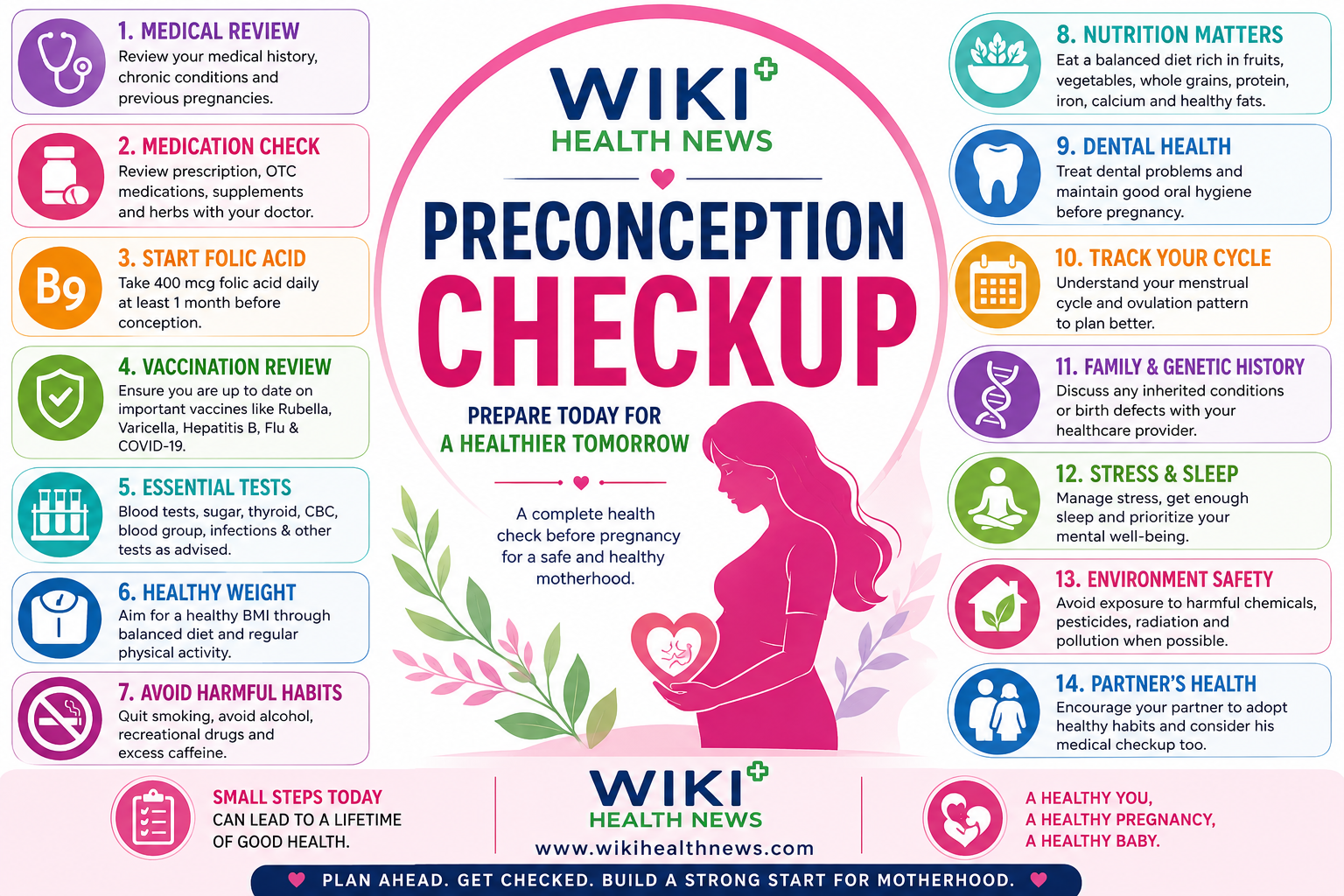
Preconception Checkup: A Complete Guide Before Pregnancy
A preconception checkup is an important medical visit for anyone planning to become pregnant. It helps identify health conditions, medication issues, nutritional deficiencies, vaccination gaps, and lifestyle factors that could affect fertility or pregnancy. Ideally, preconception care should begin at least 3 months before trying to conceive, although it can be useful even earlier. (ACOG)
What Is a Preconception Checkup?
A preconception checkup is a consultation with an obstetrician-gynecologist or other qualified healthcare professional before pregnancy. The objective is to optimize the health of the prospective mother and reduce preventable pregnancy risks.
The consultation generally includes a review of medical history, reproductive history, medications, vaccinations, lifestyle, nutrition, family history and existing health conditions. (ACOG)
1. Review Your Medical History
Your doctor may ask about diabetes, high blood pressure, thyroid disorders, PCOS, endometriosis, epilepsy, anemia, mental-health conditions and previous surgeries or pregnancies.
Conditions such as diabetes and hypertension should ideally be well controlled before conception because they can influence pregnancy outcomes. (ACOG)
2. Review Medications and Supplements
Bring a complete list of prescription medicines, over-the-counter medications, vitamins and herbal supplements to your appointment.
Some medicines may need to be changed before pregnancy, while others can be continued safely. Never stop a prescribed medicine without medical advice. ACOG specifically recommends reviewing prescription and nonprescription medicines, nutritional supplements and herbal products during preconception counseling. (ACOG)
3. Start Folic Acid
Folic acid is a key part of preconception care. The CDC recommends that women who could become pregnant receive 400 mcg of folic acid daily to help reduce the risk of neural tube defects. Ideally, supplementation should begin at least one month before conception. (CDC)
Women with certain risk factors may require a higher dose under medical supervision.
4. Check Vaccinations
Your healthcare provider can review your vaccination history and determine whether you need vaccines before pregnancy. Protection against rubella, varicella, hepatitis B, influenza and other vaccine-preventable infections may be considered according to individual circumstances and current recommendations. (ACOG)
Some vaccines should be administered before pregnancy, so discussing vaccination status early is helpful.
5. Consider Recommended Tests
There is no single set of tests that every person needs. Depending on your medical history and risk factors, your doctor may consider:
- Complete blood count and anemia assessment
- Blood glucose or HbA1c
- Thyroid testing when indicated
- Blood group and Rh status
- Screening for sexually transmitted infections
- Immunity testing where appropriate
- Genetic carrier screening
- Cervical cancer screening when due
WHO describes preconception care as including nutritional assessment, screening and management of conditions such as diabetes and anemia, lifestyle counseling and other interventions that can improve maternal and child health. (World Health Organization)
6. Optimize Nutrition and Weight
A nutritious diet before conception can help establish healthy habits for pregnancy. Include vegetables, fruits, whole grains, pulses, nuts, seeds, dairy or suitable alternatives, and adequate protein.
For practical nutrition guidance, see the Wiki Health News resources on Balanced Diet and First Trimester Pregnancy Diet.
Both very low and high body weight can be associated with fertility and pregnancy complications, so gradual, medically appropriate weight management may be recommended. (ACOG)
7. Stop Smoking and Avoid Harmful Substances
Preconception counseling should include assessment of tobacco, alcohol and recreational drug use. Stopping smoking and avoiding recreational drugs are important steps toward a healthier pregnancy. (ACOG)
Also discuss occupational or environmental exposure to chemicals, pesticides, radiation, heavy metals or other potentially harmful substances.
8. Review Family and Genetic History
Tell your doctor about inherited diseases, birth defects, recurrent pregnancy loss or other significant conditions affecting either partner’s family.
Depending on the history, genetic counseling or carrier screening may be appropriate before pregnancy. (ACOG)
9. Review Menstrual and Fertility History
Your doctor may ask about cycle length, irregular periods, previous pregnancies, miscarriages and how long you have been trying to conceive.
Conditions such as PCOS or endometriosis may affect fertility and may benefit from evaluation before pregnancy. (ACOG)
10. Build a Healthy Lifestyle
Regular physical activity, adequate sleep, stress management and a nutritious diet can support overall health before pregnancy. Preconception care is not simply about tests—it is an opportunity to identify modifiable risks and create a personalized pregnancy plan.
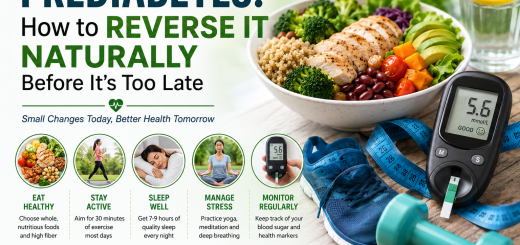
For readers concerned about blood sugar, the Wiki Health News guide Prediabetes: How to Reverse It Naturally may also be useful.
Preconception Checkup Checklist
☐ Schedule a preconception appointment
☐ Review medical conditions
☐ Review medications and supplements
☐ Start appropriate folic acid
☐ Check vaccination status
☐ Discuss recommended blood tests
☐ Review family/genetic history
☐ Optimize diet and weight
☐ Stop smoking and recreational drugs
☐ Discuss alcohol use
☐ Review menstrual and fertility history
☐ Address dental and mental health needs
☐ Identify occupational/environmental exposures
Final Takeaway
A preconception checkup is one of the simplest ways to prepare for a healthier pregnancy. Addressing medical conditions, reviewing medications, taking appropriate folic acid, checking vaccinations, optimizing nutrition and identifying risk factors before conception can help you enter pregnancy better prepared. A personalized consultation with a qualified healthcare professional is especially important if you have a chronic disease, take regular medication, have had pregnancy complications, or have fertility concerns. (ACOG)
External References
- ACOG – Prepregnancy Counseling
- ACOG – Good Health Before Pregnancy: Prepregnancy Care
- CDC – About Folic Acid
- WHO – Preconception Care
- MedlinePlus – Preconception Care
Suggested SEO title: Preconception Checkup: Complete Guide Before Pregnancy
Focus keyword: Preconception Checkup
Suggested slug: preconception-checkup-before-pregnancy
Meta description: Learn what happens during a preconception checkup, including medical tests, folic acid, vaccinations, medications, nutrition, lifestyle and fertility assessment.
30 FAQs About Preconception Checkup
1. What is a preconception checkup?
A preconception checkup is a medical consultation before pregnancy to identify health risks, review medications, assess nutrition and vaccinations, and optimize overall health before conception.
2. When should I have a preconception checkup?
Ideally, schedule one 1–3 months before trying to conceive. Earlier consultation may be beneficial if you have a chronic medical condition, take regular medication, or have fertility concerns.
3. Is a preconception checkup necessary for everyone?
It is recommended for anyone planning pregnancy because it provides an opportunity to identify and address potentially modifiable risks before conception.
4. What happens during a preconception appointment?
Your healthcare provider may review your medical and reproductive history, medications, vaccinations, lifestyle, diet, family history, menstrual cycles and previous pregnancies.
5. What blood tests are done before pregnancy?
Tests depend on individual circumstances and may include a complete blood count, blood glucose or HbA1c, blood group and Rh status, thyroid testing when indicated, infection screening and other tests based on medical history.
6. Should I check my blood sugar before pregnancy?
Blood glucose or HbA1c testing may be recommended if you have diabetes risk factors, a history of gestational diabetes, overweight/obesity, PCOS or other relevant risk factors.
7. Should thyroid function be checked before pregnancy?
Thyroid testing is not necessarily required for everyone, but it may be recommended when there is a history or symptoms of thyroid disease, infertility, recurrent pregnancy loss or other risk factors.
8. How much folic acid should I take before pregnancy?
For most women who could become pregnant, 400 mcg of folic acid daily is recommended. Some women with specific risk factors may require a higher dose under medical supervision.
9. When should I start folic acid?
Ideally, begin folic acid at least one month before conception and continue during early pregnancy as recommended by your healthcare provider.
10. Can I take prenatal vitamins before pregnancy?
Yes. A prenatal supplement may be useful, but its ingredients and doses should be discussed with your healthcare provider, particularly if you already take other supplements.
11. Should I stop my regular medicines before pregnancy?
No. Do not stop prescribed medication on your own. Some medicines need to be changed before conception, while others are important to continue.
12. Which vaccines should I check before pregnancy?
Your healthcare provider may review protection against rubella, varicella, hepatitis B, influenza, COVID-19 and other vaccine-preventable infections according to your individual circumstances.
13. Can I receive vaccines while trying to conceive?
Some vaccines can be given when planning pregnancy, while certain live vaccines are generally administered before pregnancy. Discuss timing with your healthcare provider.
14. Does weight affect fertility and pregnancy?
Both significantly low and high body weight can affect fertility and pregnancy outcomes. A healthy, sustainable approach to weight management is preferable to crash dieting.
15. Should I lose weight before trying to conceive?
If you have high weight or low, your doctor may recommend gradual weight management before conception. The appropriate target depends on your individual health and fertility circumstances.
16. Can exercise improve preconception health?
Regular moderate physical activity can support cardiovascular health, metabolic health, fitness and healthy weight management before pregnancy.
17. Should I stop smoking before pregnancy?
Yes. Stopping smoking before conception is an important step because tobacco exposure can negatively affect fertility and pregnancy.
18. Can I drink alcohol while trying to conceive?
Because pregnancy can occur before you know you are pregnant, avoiding alcohol when trying to conceive is the safest approach.
19. How much caffeine can I have when planning pregnancy?
If you regularly consume large amounts of caffeine, reducing intake before pregnancy can be helpful. During pregnancy, commonly recommended limits are up to 200 mg of caffeine per day, but individual advice may vary.
20. Should I have a dental checkup before pregnancy?
Yes. Maintaining good oral health is part of overall preconception care. Treating dental problems before pregnancy can also make ongoing dental care easier.
21. Should I track my menstrual cycle before pregnancy?
Yes. Tracking your periods can help you understand your cycle and identify irregularities that may warrant medical evaluation.
22. What if my periods are irregular?
Irregular or absent periods can sometimes indicate problems with ovulation, PCOS, thyroid disorders or other conditions. Discuss persistent irregular cycles with your gynecologist before trying to conceive.
23. Should my partner also have a preconception checkup?
A healthy pregnancy involves both partners. A partner’s medical history, medications, lifestyle, smoking, alcohol use and family genetic history can all be relevant.
24. Is genetic testing necessary before pregnancy?
Not everyone needs genetic testing. Carrier screening or genetic counseling may be considered when there is a family history of inherited disease, previous affected pregnancy or other relevant risk factors.
25. Should I get tested for infections before pregnancy?
Depending on your history and risk factors, your healthcare provider may recommend screening for sexually transmitted infections and assessment of immunity to certain infections.
26. Can diabetes affect pregnancy?
Yes. Poorly controlled diabetes can increase pregnancy risks. If you have diabetes, achieving good glucose control before conception is an important part of preconception care.
27. Can high blood pressure affect pregnancy?
Yes. Hypertension can increase the risk of complications during pregnancy. If you have high blood pressure, discuss medication choices and blood-pressure targets with your healthcare provider before conception.
28. What should I eat before pregnancy?
Focus on a balanced diet containing vegetables, fruits, whole grains, pulses, adequate protein, nuts and seeds, healthy fats and appropriate calcium-rich foods.
29. When should I seek fertility advice?
Consider medical advice if you have very irregular or absent periods, known reproductive conditions, previous fertility problems, recurrent pregnancy loss, or concerns about your ability to conceive.
30. What is the most important part of a preconception checkup?
The most important goal is to identify and manage modifiable health risks before conception. This includes reviewing medical conditions and medications, taking appropriate folic acid, checking vaccinations, optimizing nutrition and lifestyle, and developing an individualized pregnancy plan.
Medical note: These FAQs are for general education and do not replace individualized medical advice. Medication changes, supplement doses and pregnancy planning should be discussed with a qualified healthcare professional.
References – Preconception Checkup
- American College of Obstetricians and Gynecologists (ACOG) – Prepregnancy Counseling
ACOG: Prepregnancy Counseling - CDC – About Folic Acid
CDC: About Folic Acid - CDC – Folic Acid: Sources and Recommended Intake
CDC: Folic Acid Recommendations - CDC – Vaccine Recommendations Before, During, and After Pregnancy
CDC: Pregnancy and Vaccines - World Health Organization (WHO) – Preconception Care
WHO: Preconception Care - WHO – Preconception Care: Maximizing the Gains for Maternal and Child Health
WHO: Preconception Care Policy Brief - WHO – Getting the Health Services You Need Before Pregnancy
WHO: Health Services Before Pregnancy - MedlinePlus / NIH – Preconception Care
MedlinePlus: Preconception Care - WHO – Reframing Care and Services to Improve Preconception Health
WHO: Reframing Preconception Health
These are suitable as the external reference links at the end of your Wiki Health News article and provide authoritative sources for preconception care, folic acid, vaccination, and pregnancy planning. (cdc.gov)
Here is a professional author card suitable for the bottom of the Preconception Checkup article on Wiki Health News:
About the Author
Dr. Nabaneeta Padhy, MBBS, MD (Obstetrics & Gynaecology)
IVF Specialist | Reproductive Medicine & Fertility Expert
Dr. Nabaneeta Padhy is an experienced IVF and reproductive medicine specialist with a focus on infertility evaluation, assisted reproductive technologies, women’s reproductive health, and fertility care. She is the Founder of Femelife Fertility Foundation and is associated with fertility care and patient education.
Dr. Padhy is also involved in health education and medical content development, helping patients understand fertility, pregnancy planning, women’s health, and reproductive wellness through evidence-based information.
Qualifications: MBBS, MD (Obstetrics & Gynaecology)
Specialization: IVF, Infertility, Reproductive Medicine & Women’s Health
Founder: Femelife Fertility Foundation
Focus: Preconception Care • Fertility • Pregnancy Planning • Women’s Health
Medical information published under this author profile is intended for educational purposes and should not replace individualized medical consultation.
I can also make this into a short WordPress author box (80–100 words) or an SEO-optimized E-E-A-T author card with profile link and credentials.
![Lipoprotein(a) [Lp(a)]](https://wikihealthnews.com/wp-content/uploads/2026/08/Understanding_Lipoproteina_Cardiovascular_Risk-scaled-e1787719701457-520x245.png)