Dental Health Before Pregnancy: Why a Pre-Pregnancy Dental Checkup Matters
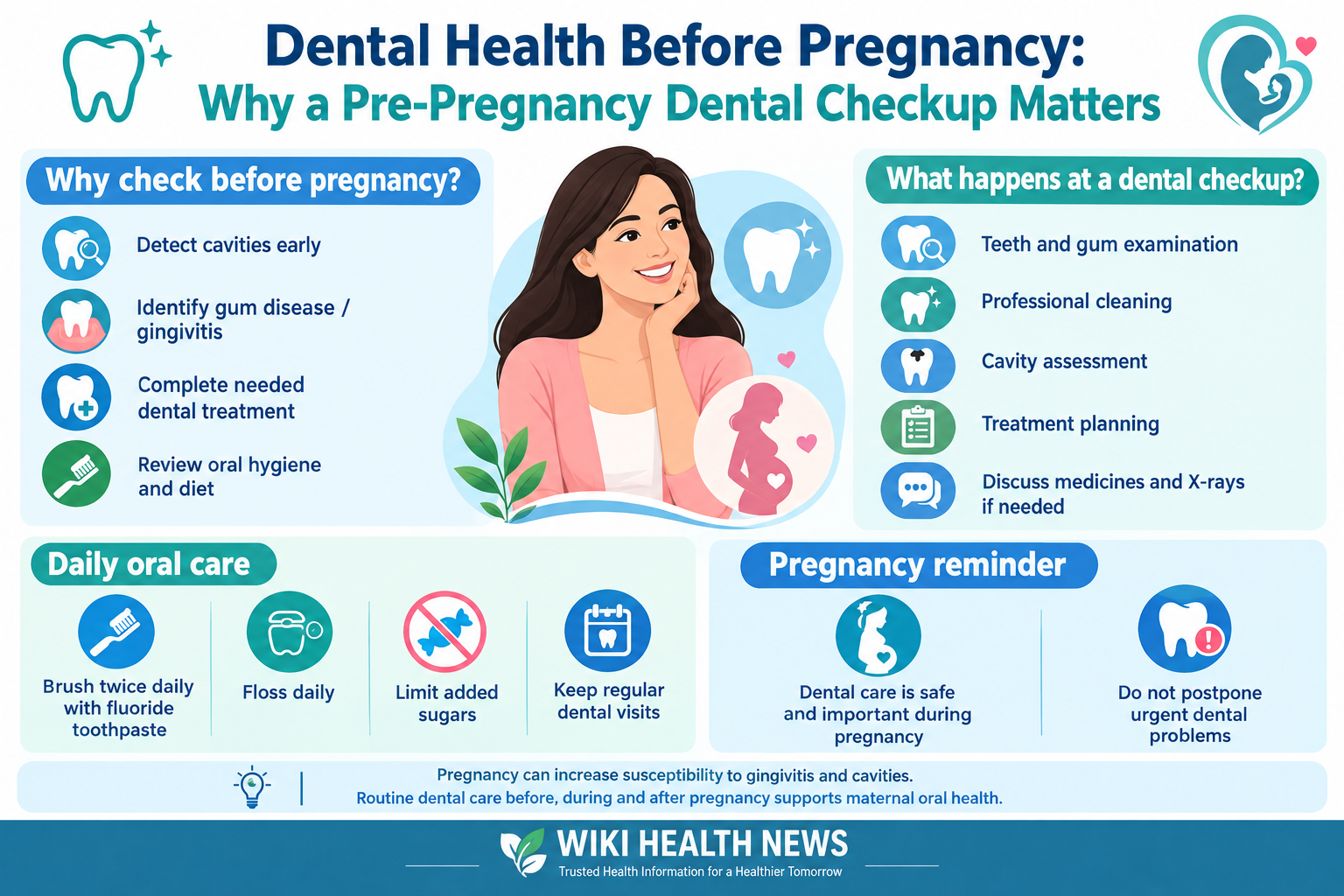
Dental Health Before Pregnancy: Why a Pre-Pregnancy Dental Checkup Matters
Focus Keyword:
SEO Title:
Meta Description: Learn why dental health before pregnancy matters, what a pre-pregnancy dental checkup includes, and how healthy teeth and gums can support a healthier pregnancy.
Suggested Slug: dental-health-before-pregnancy
Planning a pregnancy involves more than taking prenatal vitamins and scheduling an obstetric appointment. Dental health before pregnancy is also an important part of preconception care. Hormonal changes during pregnancy can make the gums more susceptible to inflammation, while changes in eating habits, nausea, vomiting, and oral hygiene can increase the risk of cavities and enamel erosion.
A dental checkup before conception provides an opportunity to identify and treat oral health problems before pregnancy begins.
Why Is Dental Health Important Before Pregnancy?
Pregnancy can increase the likelihood of gingivitis, gum inflammation and dental cavities. The CDC notes that hormonal changes during pregnancy can worsen gum inflammation, while changes in diet and other pregnancy-related factors may contribute to tooth decay.
Getting dental problems addressed before conception can help reduce the chance of dealing with avoidable tooth pain, infection, or extensive dental treatment while pregnant.
Good oral health is also part of overall health. For women planning pregnancy, a dental examination can therefore complement routine preconception care.
What Happens During a Pre-Pregnancy Dental Checkup?
A dentist may evaluate:
- Teeth for cavities and decay
- Gums for gingivitis or periodontal disease
- Existing fillings, crowns or other dental work
- Signs of dental infection
- Plaque and tartar buildup
- Oral hygiene practices
- Jaw or tooth problems
- Any symptoms such as bleeding gums, sensitivity or tooth pain
Depending on the findings, professional cleaning, fillings, periodontal treatment or other appropriate dental care may be recommended.
Routine dental care is not something that generally needs to be postponed simply because pregnancy occurs. The American Dental Association states that preventive, diagnostic and restorative dental treatment is safe during pregnancy, and necessary dental treatment should not be unnecessarily delayed.
Pregnancy and Gum Disease
Pregnancy-related hormonal changes can make gums more sensitive to plaque, resulting in pregnancy gingivitis. Symptoms may include:
- Red or swollen gums
- Bleeding while brushing or flossing
- Tender gums
- Bad breath
- Increased gum sensitivity
The CDC reports that approximately 60%–75% of pregnant women have gingivitis.
Although periodontal disease has been associated in studies with outcomes such as preterm birth and low birth weight, the causal relationship is not fully established. Maintaining good oral health remains important regardless.
What About Dental X-Rays During Pregnancy?
Sometimes dental imaging is necessary for diagnosis. According to the ADA, dental radiographs can be performed during pregnancy when clinically indicated, using appropriate safety precautions.
If you are pregnant or may be pregnant, tell your dentist before treatment so that your dental and medical teams can coordinate care appropriately.
How to Protect Your Teeth Before Pregnancy
Start a simple daily oral-health routine:
- Brush twice daily with fluoride toothpaste.
- Clean between your teeth daily using floss or another interdental cleaner.
- Limit frequent consumption of sugary foods and drinks.
- Drink water regularly.
- Have professional dental examinations and cleanings as recommended.
- Treat cavities, gum disease and dental infections promptly.
- Avoid smoking and tobacco products.
- Tell your dentist about medications and supplements you take.
The CDC recommends brushing twice a day with fluoride toothpaste, cleaning between teeth daily, limiting added sugars and maintaining regular dental care.
For additional reading, explore Wiki Health News resources on [Bacteria in Dental Plaque], [Oral Precancer], and [Pregnancy Facts].
Dental Health Is Part of Preconception Care
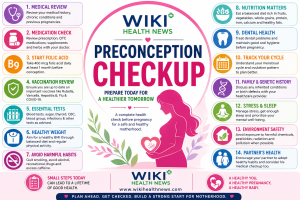
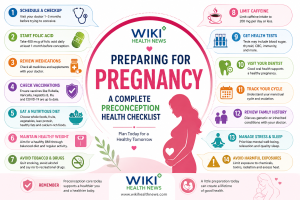
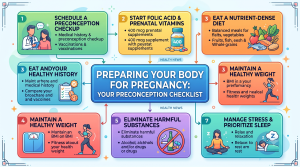
A healthy pregnancy begins with preparation. Along with reviewing medications, vaccinations, nutrition, folic acid and existing medical conditions, women planning pregnancy should consider adding a dental checkup to their preconception checklist.
The goal is simple: identify problems early, maintain healthy teeth and gums, and establish good oral-health habits before conception.
Final Takeaway
Dental health before pregnancy matters. A pre-pregnancy dental checkup can identify cavities, gum disease and other problems that may otherwise become more difficult or uncomfortable to manage. Good brushing, daily interdental cleaning, healthy eating habits and regular professional dental care can help protect oral health before, during and after pregnancy.
Dental care remains important even after conception. If dental symptoms develop during pregnancy, seek professional care rather than postponing necessary treatment.
Medical Content Reviewed By
Dr. Nabaneeta Padhy, MBBS, MD (Obstetrics & Gynaecology)
IVF & Fertility Specialist | Founder, Femelife Fertility Foundation
Dr. Nabaneeta Padhy is an IVF and fertility specialist with expertise in reproductive health, fertility care, preconception counseling, pregnancy planning and women’s health. She provides evidence-based guidance for women and couples preparing for pregnancy, with an emphasis on individualized fertility assessment, healthy lifestyle, nutrition and comprehensive preconception care.
Specialty: Obstetrics & Gynaecology | Fertility & Reproductive Medicine
30 FAQs: Dental Health Before Pregnancy
1. Why is dental health important before pregnancy?
Good oral health is an important part of overall preconception care. Treating cavities, gum disease, and dental infections before pregnancy can help reduce avoidable dental problems during pregnancy.
2. Should I visit a dentist before trying to get pregnant?
Yes. A pre-pregnancy dental checkup can identify cavities, gum inflammation, infections, and other problems that may benefit from treatment before conception.
3. Can pregnancy affect my teeth and gums?
Yes. Hormonal changes during pregnancy can make the gums more sensitive to plaque and increase the risk of pregnancy gingivitis.
4. What is pregnancy gingivitis?
Pregnancy gingivitis is inflammation of the gums that can occur during pregnancy. Symptoms may include red, swollen, tender, or bleeding gums.
5. Can gum disease affect pregnancy?
Gum disease has been associated with some adverse pregnancy outcomes, although the exact causal relationship is not fully established. Maintaining good oral health is recommended during pregnancy.
6. Can I get my teeth cleaned before pregnancy?
Yes. Professional dental cleaning is an effective way to remove plaque and tartar and maintain healthy gums.
7. Is dental treatment safe during pregnancy?
Many routine and necessary dental procedures can be safely performed during pregnancy. Tell your dentist that you are pregnant so treatment can be appropriately planned.
8. Should cavities be treated before pregnancy?
If possible, treating significant cavities before conception can help prevent tooth pain, infection, or more extensive treatment during pregnancy.
9. What happens if I have a tooth infection while pregnant?
A dental infection should not simply be ignored. Contact a dentist promptly because untreated infections can become more serious.
10. Can I have a dental X-ray during pregnancy?
Dental X-rays may be performed when clinically necessary using appropriate safety precautions. Inform your dentist if you are pregnant or may be pregnant.
11. Should I tell my dentist that I am trying to conceive?
Yes. Letting your dentist know that you are planning pregnancy can help with treatment planning, medications, and any imaging that may be required.
12. How often should I brush my teeth before pregnancy?
Brush your teeth twice daily with fluoride toothpaste and clean between your teeth every day.
13. Is flossing important before pregnancy?
Yes. Daily flossing or another appropriate interdental cleaning method helps remove plaque between teeth where a toothbrush cannot reach effectively.
14. Can bleeding gums be a sign of pregnancy?
Bleeding gums can occur during pregnancy because of hormonal changes, but they are not a reliable way to determine whether you are pregnant. Gum bleeding can also be caused by plaque and gingivitis.
15. Can pregnancy cause tooth decay?
Pregnancy itself does not directly cause cavities, but changes in diet, frequent snacking, vomiting, dry mouth, and oral-hygiene changes can increase the risk of dental problems.
16. Does morning sickness affect dental health?
Frequent vomiting exposes teeth to stomach acid, which can contribute to enamel erosion. After vomiting, rinse your mouth with water and avoid immediately brushing your teeth.
17. Can I use fluoride toothpaste when planning pregnancy?
Yes. Fluoride toothpaste is commonly recommended for preventing tooth decay and can be used as part of normal oral hygiene.
18. Should I reduce sugar before pregnancy?
Yes. Limiting frequent consumption of sugary foods and drinks can help reduce the risk of tooth decay and supports an overall healthy diet.
19. Does smoking affect dental health before pregnancy?
Yes. Smoking and tobacco use can negatively affect gum health and increase the risk of periodontal disease. Avoiding tobacco is also an important part of pregnancy planning.
20. Can poor oral hygiene affect fertility?
There is research investigating relationships between periodontal health and fertility, but poor oral hygiene should not be considered a proven direct cause of infertility. Maintaining oral health is beneficial regardless.
21. What are signs that I need a dental checkup?
Warning signs include persistent toothache, bleeding or swollen gums, bad breath, loose teeth, tooth sensitivity, pus around the gums, or facial swelling.
22. Should wisdom teeth be checked before pregnancy?
If you have wisdom teeth that are painful, infected, impacted, or causing recurrent problems, discuss them with your dentist before pregnancy.
23. Can I have a tooth extraction before pregnancy?
If an extraction is medically necessary, it can generally be performed before pregnancy. Your dentist will determine whether extraction or another treatment is appropriate.
24. Should dental infections be treated before conception?
Yes. If you have an active dental infection, seek professional treatment rather than postponing care.
25. Can I take dental medicines while planning pregnancy?
Some dental medications may not be appropriate during pregnancy or conception planning. Tell your dentist and doctor about all medicines and supplements you use.
26. Can I use mouthwash before pregnancy?
Some mouthwashes can be used as part of oral hygiene, but they are not a replacement for brushing and interdental cleaning. Ask your dentist which product is appropriate for you.
27. Does diet affect dental health before pregnancy?
Yes. A nutrient-rich diet supports general health, while frequent sugary snacks and drinks can increase the risk of tooth decay. A balanced preconception diet is beneficial for both overall and oral health.
28. When is the best time for a dental checkup before pregnancy?
Ideally, schedule a dental examination during the preconception period, particularly if you have not had a recent dental checkup or have existing dental symptoms.
29. What should I tell my dentist during a pre-pregnancy visit?
Tell your dentist that you are planning pregnancy and provide information about your medical conditions, medications, supplements, allergies, and any previous dental problems.
30. What is the most important dental advice before pregnancy?
Have a dental checkup, treat active dental problems, brush twice daily with fluoride toothpaste, clean between your teeth daily, limit frequent sugary foods and drinks, avoid tobacco, and maintain regular dental care throughout pregnancy.
Medical Disclaimer: This article is intended for general educational and informational purposes only and does not replace professional medical advice, diagnosis or treatment.
Dental treatment and medication choices should be individualized, particularly during pregnancy. Women who are pregnant, may be pregnant, have significant dental disease, take regular medications, or have other medical conditions should discuss their care with their dentist and obstetrician.
Do not delay urgent dental treatment because of pregnancy without discussing the situation with a qualified healthcare professional.