Chest Pain and Its Common Causes
Chest Pain and Its Common Causes
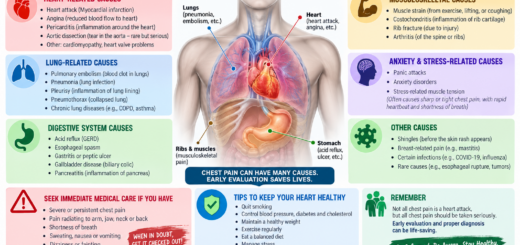
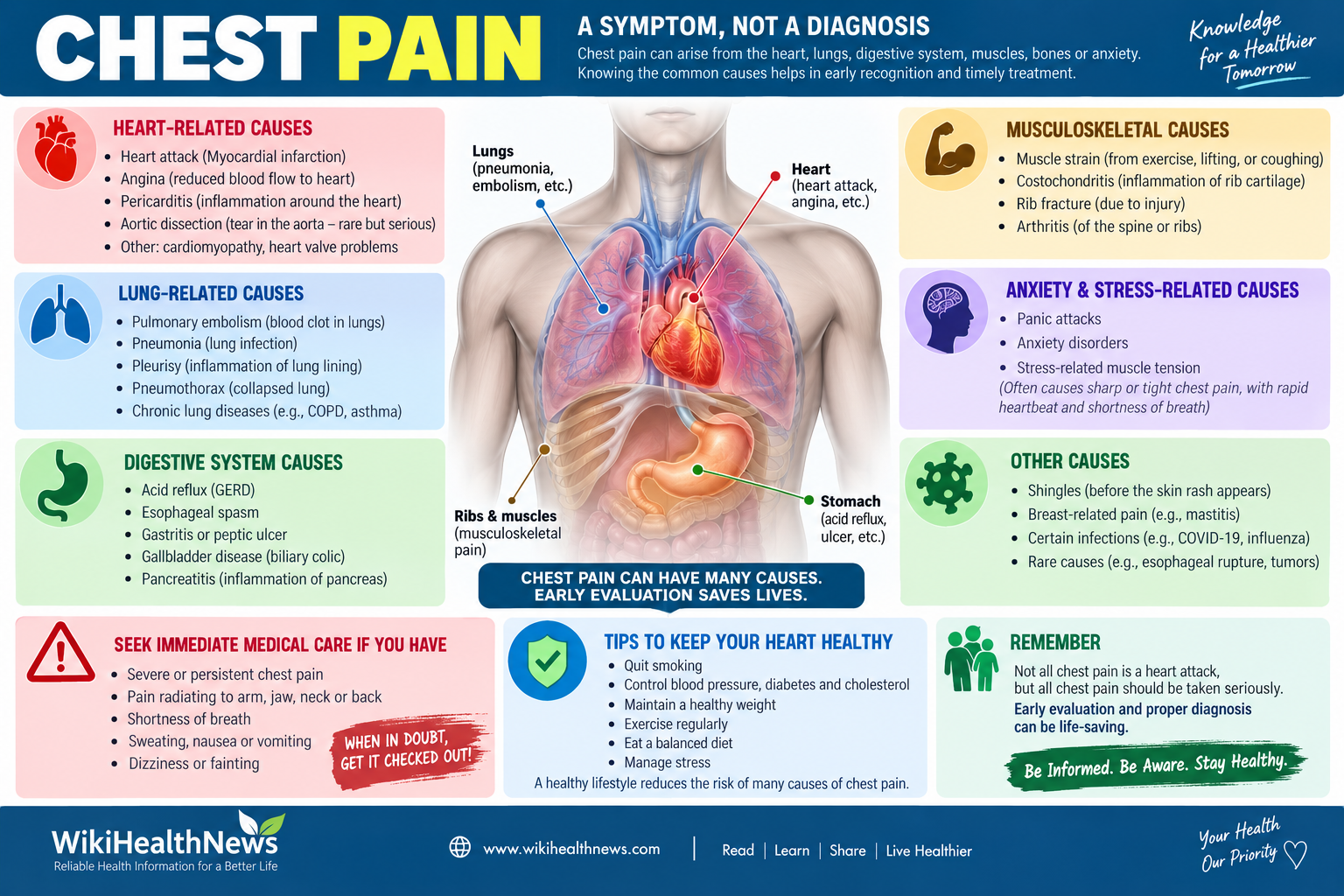
Chest pain is discomfort, pressure, tightness, burning, or pain felt anywhere from the neck to the upper abdomen. Although heart disease is an important cause, many chest-pain episodes are caused by non-cardiac conditions.
Common Causes of Chest Pain
| Cause | Typical features |
|---|---|
| Coronary artery disease / angina | Pressure, heaviness, or tightness, often triggered by exertion and relieved by rest |
| Heart attack (myocardial infarction) | Persistent or severe pressure/discomfort; may radiate to the arm, jaw, back, or shoulder; sweating, nausea, or breathlessness may occur |
| Pericarditis | Sharp pain, often worse with deep breathing or lying down and sometimes relieved by sitting forward |
| Gastroesophageal reflux (GERD) | Burning behind the breastbone, often after meals or when lying down |
| Esophageal spasm | Episodic squeezing or chest pain that can resemble angina |
| Musculoskeletal pain | Localized pain that may worsen with movement or pressing on the chest |
| Costochondritis | Pain and tenderness around the junction of the ribs and sternum |
| Pneumonia / pleuritis | Sharp pain associated with breathing or coughing, often with fever or respiratory symptoms |
| Pulmonary embolism | Sudden chest pain, usually pleuritic, with breathlessness, tachycardia, or sometimes coughing |
| Pneumothorax | Sudden unilateral chest pain and breathlessness |
| Aortic dissection | Sudden, severe chest or upper-back pain; a medical emergency |
| Anxiety / panic attack | Chest tightness or pain accompanied by palpitations, rapid breathing, trembling, or intense fear |
Cardiac vs. Non-cardiac Chest Pain
More suggestive of myocardial ischemia:
- Retrosternal pressure, heaviness, squeezing, or tightness
- Triggered by exertion or emotional stress
- Radiation to the left or both arms, shoulder, jaw, neck, or back
- Associated sweating, nausea, or shortness of breath
- Relief with rest in typical stable angina
More suggestive of a non-cardiac cause:
- Clearly localized pain reproducible by palpation
- Pain strongly related to body movement
- Burning after meals or when lying down
- Sharp pain associated predominantly with breathing
However, symptoms alone cannot reliably exclude acute coronary syndrome.
🚨 When Chest Pain Needs Urgent Attention
Seek emergency medical care for new, severe, unexplained, or persistent chest pain, particularly when accompanied by:
- Breathlessness
- Cold sweating
- Fainting or near-fainting
- Severe weakness
- Nausea/vomiting
- Palpitations
- Pain spreading to the arm, jaw, back, or neck
- Sudden severe chest or back pain
Important: A heart attack can occur without the classic “crushing” chest pain, particularly in older adults and people with diabetes. Any suspicious acute chest pain should be medically evaluated promptly.
Yes. For SEO, I would place the internal links naturally on the relevant medical terms, rather than adding a separate list of links. I found usable Wiki Health News pages for several of these topics, including heart attack/emergency care, coronary artery disease, troponin, and heart-disease testing. (wiki Health News)
Here is the revised in-text version:
Chest Pain and Its Common Causes
Chest pain is discomfort, pressure, tightness, burning, heaviness, or pain felt anywhere from the neck to the upper abdomen. Although many conditions can cause chest pain, it is important to recognize symptoms that may indicate a serious heart or lung problem.
Chest pain can arise from the heart, lungs, digestive system, muscles, ribs, nerves, or psychological factors. One of the most important causes to consider is coronary artery disease, in which narrowing of the coronary arteries can reduce blood flow to the heart.
Common Causes of Chest Pain
1. Angina and Coronary Artery Disease
Angina is chest discomfort caused by inadequate blood flow to the heart muscle. It is commonly described as pressure, heaviness, squeezing, or tightness.
Patients with coronary artery disease may develop chest discomfort during exercise, walking, emotional stress, or other situations that increase the heart’s oxygen demand.
2. Heart Attack
A heart attack, or myocardial infarction, occurs when blood flow to part of the heart muscle becomes severely reduced or blocked.
Typical symptoms may include:
- Chest pressure or tightness
- Pain or discomfort spreading to the arm, shoulder, jaw, neck, or back
- Shortness of breath
- Cold sweating
- Nausea or vomiting
- Dizziness or fainting
Not every heart attack causes severe or classic chest pain. Some patients may have atypical or relatively mild symptoms.
3. Gastroesophageal Reflux Disease
GERD or acid reflux can cause burning discomfort behind the breastbone. Symptoms may become worse after meals, when bending forward, or when lying down.
However, heart-related chest pain can sometimes feel like indigestion or acidity. Therefore, new or unexplained chest pain should not automatically be attributed to GERD.
4. Musculoskeletal Chest Pain
Muscle strain, injury, or inflammation of the chest wall can cause localized pain. The discomfort may become worse with movement or when the affected area is pressed.
5. Costochondritis
Costochondritis is inflammation involving the cartilage connecting the ribs to the sternum. It commonly causes localized chest tenderness that can be reproduced by pressing over the affected area.
6. Pericarditis
Pericarditis is inflammation of the sac surrounding the heart. The pain is often sharp and may worsen with deep breathing or lying down and improve when sitting forward.
7. Pneumonia and Pleurisy
Lung infections such as pneumonia can cause sharp chest pain, especially during deep breathing or coughing. Fever, cough, sputum production, and breathlessness may also occur.
8. Pulmonary Embolism
A pulmonary embolism occurs when a blood clot blocks an artery in the lungs. It can cause sudden chest pain, breathlessness, rapid heartbeat, dizziness, or coughing.
Pulmonary embolism can be life-threatening and requires urgent medical assessment.
9. Pneumothorax
A pneumothorax, commonly called a collapsed lung, can cause sudden one-sided chest pain and shortness of breath. A large or tension pneumothorax is a medical emergency.
10. Anxiety and Panic Attacks
Anxiety and panic attacks can produce chest tightness or pain accompanied by rapid breathing, palpitations, sweating, trembling, dizziness, and a feeling of intense fear.
Nevertheless, anxiety should not automatically be assumed to be the cause of unexplained chest pain before serious conditions have been considered.
Tests Used to Evaluate Chest Pain
The appropriate investigation depends on the patient’s symptoms, age, cardiovascular risk factors, examination findings, and clinical probability of disease.
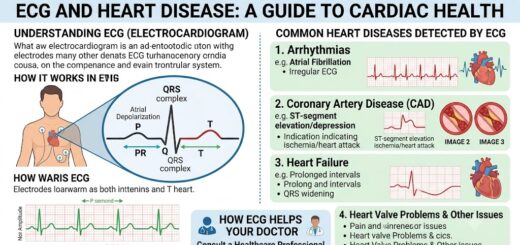
An ECG test is often one of the first investigations performed when a cardiac cause is suspected.
A troponin test measures cardiac troponin in the blood and is an important investigation when acute myocardial injury or heart attack is suspected. High-sensitivity troponin assays allow detection of very small amounts of cardiac muscle injury. (wiki Health News)
Depending on the clinical situation, doctors may also consider:
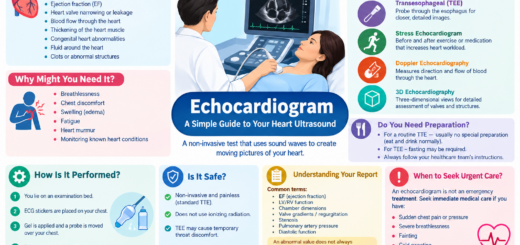
- Echocardiography
- Chest X-ray
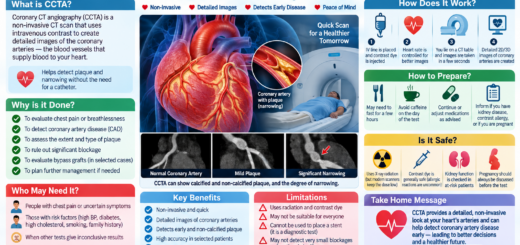
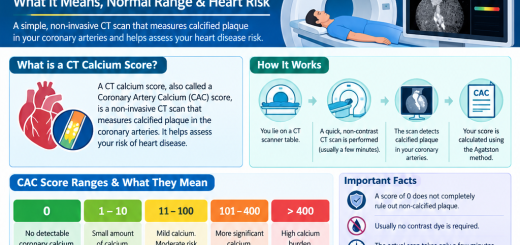
- Coronary CT angiography
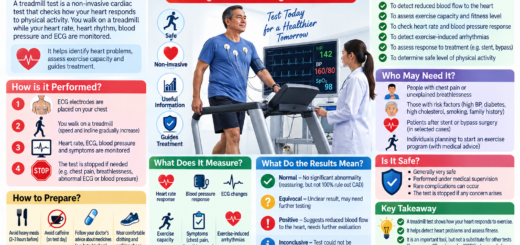
- Treadmill or exercise stress testing
- Coronary angiography
- Additional blood tests
Wiki Health News also provides a broader guide to tests for heart disease covering commonly used cardiovascular investigations. (wiki Health News)
Chest Pain and Blood Pressure
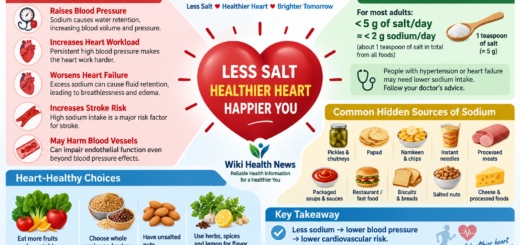
High blood pressure is an important cardiovascular risk factor. Long-standing hypertension can damage blood vessels and increase the risk of coronary artery disease, heart attack, stroke, and heart failure. (wiki Health News)
Controlling blood pressure, cholesterol, diabetes, smoking, body weight, and physical inactivity can substantially reduce cardiovascular risk.
When Is Chest Pain an Emergency?
Seek immediate emergency medical attention for:
- New or unexplained chest pressure or pain
- Chest pain lasting several minutes or recurring
- Severe or worsening chest discomfort
- Chest pain with shortness of breath
- Cold sweating
- Nausea or vomiting
- Fainting or severe dizziness
- Pain spreading to the arm, shoulder, jaw, neck, or back
- Sudden severe chest or upper-back pain
Do not assume that chest pain is simply acidity, gas, muscle pain, or anxiety when the symptoms are new or concerning.
Early recognition of heart attack warning symptoms and rapid medical assessment can be lifesaving. (wiki Health News)
Key Takeaway
Chest pain has many possible causes, ranging from GERD and muscle strain to coronary artery disease, heart attack, pulmonary embolism, and aortic emergencies.
The most important principle is:
New, severe, persistent, or unexplained chest pain should be medically evaluated promptly.
For additional patient-friendly cardiovascular information, explore Wiki Health News and its heart-health resources.
About the Author
Dr. Sujit Kumar Sahu
Consultant Interventional Cardiologist
MBBS, MD (General Medicine), DNB (Cardiology), FSCAI, FESC, ICCPR-CRFC, FACC
Dr. Sujit Kumar Sahu is a Consultant Interventional Cardiologist with extensive experience in clinical cardiology and interventional cardiovascular care. His areas of interest include coronary artery disease, acute coronary syndromes, angiography, percutaneous coronary intervention, cardiac risk assessment, and cardiovascular prevention.
Medical content reviewed for: Chest Pain and Its Common Causes
Content type: Patient Education
Publication: Wiki Health News