Breast Cancer and Mammograms
Breast Cancer and Mammograms: A Patient Guide to Screening, Results and What to Expect
Breast cancer is one of the most common cancers affecting women worldwide. Early detection can make a major difference because breast cancer found at an earlier stage may be easier to treat.
A mammogram is an X-ray examination of the breast used to look for abnormalities that may indicate breast cancer.
What Is a Mammogram?
A mammogram is a low-dose X-ray of the breast. During the examination, the breast is positioned and gently compressed between two plates. X-ray images are then taken from different angles.
Mammography can help identify:
- Small breast masses
- Calcifications
- Areas of architectural distortion
- Other changes that may require further evaluation
Screening Mammogram
A screening mammogram is performed in people who do not have breast symptoms, with the aim of detecting breast cancer early.
Diagnostic Mammogram
A diagnostic mammogram is performed when there is a breast symptom or an abnormality that requires closer assessment.
Why Are Mammograms Important for Breast Cancer?
Breast cancer can sometimes develop without obvious symptoms. A screening mammogram can detect certain breast abnormalities before they become noticeable.
However, screening involves both benefits and limitations. Mammograms can sometimes produce false-positive results, leading to additional imaging or biopsy when cancer is ultimately not found.
When Should You Start Getting Mammograms?
There is not one universal screening schedule for every woman. Recommendations differ between organizations and depend on age and individual breast-cancer risk.
USPSTF Recommendation
The U.S. Preventive Services Task Force recommends screening mammography every two years from age 40 through age 74 for women at average risk.
American Cancer Society Recommendation
- Age 40–44: Women should have the option to begin annual mammography.
- Age 45–54: Annual mammograms are recommended.
- Age 55 and older: Women can change to mammography every two years or continue annually.
- Screening should continue while a woman is in good health and is expected to live at least another 10 years.
Who May Need Earlier or Additional Screening?
Women with a higher-than-average risk of breast cancer may need a different screening strategy.
- Strong family history
- Certain inherited genetic changes, including BRCA1 or BRCA2
- Previous radiation treatment to the chest at a young age
- Previous breast cancer
- Certain high-risk breast lesions
- Calculated lifetime breast-cancer risk of approximately 20% or greater
What Happens During a Mammogram?
Step 1: You Change Into a Gown
You will generally remove clothing from the upper body and wear a gown.
Step 2: Breast Positioning
A trained mammography technologist positions one breast on the mammography machine.
Step 3: Breast Compression
The breast is gently compressed between two plates. Compression helps spread breast tissue, improve image quality, reduce overlapping tissue and keep the breast still.
Step 4: X-Ray Images
Images are taken from different views. The same process is then repeated for the other breast.
Does a Mammogram Hurt?
Breast compression can be uncomfortable, and some women experience brief pain or pressure. The discomfort usually lasts only for the few seconds needed to obtain each image.
If you experience significant pain, tell the mammography technologist.
How Should You Prepare for a Mammogram?
- Avoid deodorant, talcum powder or creams on the breasts or underarms if instructed by the imaging center.
- Wear clothing that is easy to remove from the upper body.
- Tell the technologist if you are pregnant or might be pregnant.
- Tell the imaging center if you have breast implants.
- Bring previous mammogram images or reports if available.
What Can a Mammogram Detect?
- Masses
- Microcalcifications
- Asymmetry
- Architectural distortion
- Changes compared with previous mammograms
A mammogram cannot by itself confirm that a person has breast cancer. If an abnormality is found, additional imaging or a biopsy may be recommended.
What Does a BI-RADS Result Mean?
Mammography reports commonly use the BI-RADS system, developed by the American College of Radiology, to standardize breast-imaging assessment and recommendations.
- BI-RADS 0: Additional imaging is needed.
- BI-RADS 1: Negative.
- BI-RADS 2: Benign finding.
- BI-RADS 3: Probably benign; short-term follow-up may be recommended.
- BI-RADS 4: Suspicious abnormality; biopsy may be recommended.
- BI-RADS 5: Highly suggestive of malignancy.
- BI-RADS 6: Known biopsy-proven malignancy.
What Happens If a Mammogram Is Abnormal?
An abnormal mammogram does not automatically mean you have breast cancer.
Depending on the finding, your doctor may recommend:
- Additional mammographic views
- Breast ultrasound
- Breast MRI in selected situations
- Short-term imaging follow-up
- Breast biopsy
Mammogram vs Breast Ultrasound
Mammogram
Uses X-rays and is widely used for breast cancer screening.
Breast Ultrasound
Uses sound waves and may help evaluate a breast lump or characterize an abnormality seen on mammography.
Mammogram vs Breast MRI
Breast MRI uses magnetic fields and contrast in many breast-imaging protocols. MRI can be more sensitive than mammography for detecting some breast cancers, but it can also identify findings that require additional evaluation.
What Are Dense Breasts?
Breast density refers to the proportion of fibrous and glandular tissue compared with fatty tissue seen on a mammogram.
- Dense breasts can make mammograms more difficult to interpret.
- Dense breast tissue is associated with a higher risk of breast cancer.
Having dense breasts does not mean that you have breast cancer.
Can Mammograms Prevent Breast Cancer?
No. A mammogram does not prevent breast cancer from developing. Its role is early detection.
Do Younger Women Need Mammograms?
Routine screening recommendations depend on age and risk. Women with significant hereditary or other risk factors may need a different screening strategy.
Can Men Get Breast Cancer?
Yes. Although breast cancer is much less common in men, men can develop breast cancer. A new breast lump, nipple discharge, nipple retraction or other persistent breast change should be medically evaluated.
What Symptoms Should Not Wait for a Routine Mammogram?
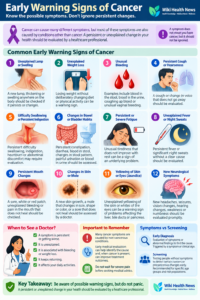
Do not wait for your next screening mammogram if you notice a new or persistent breast change.
- A new breast lump
- A change in breast size or shape
- Skin dimpling
- Persistent breast swelling
- New nipple inversion
- Bloody or unusual nipple discharge
- Persistent localized breast pain
- Changes in the skin of the breast or nipple
Most breast changes are not cancer, but they should be assessed appropriately.
Key Takeaway
Mammography is an important tool for the early detection of breast cancer.
Screening recommendations vary according to age, personal risk and the guideline being followed.
A screening mammogram is not a substitute for evaluation of a new breast symptom. Any new or concerning breast change should be discussed with a healthcare professional.
This article is for general patient education and does not replace individualized medical advice, diagnosis or treatment. Breast cancer screening should be tailored to your age, personal history, family history and individual risk in consultation with a qualified healthcare professional.