Causes And Cure For Morbid Obesity
Causes and Cure for Morbid Obesity
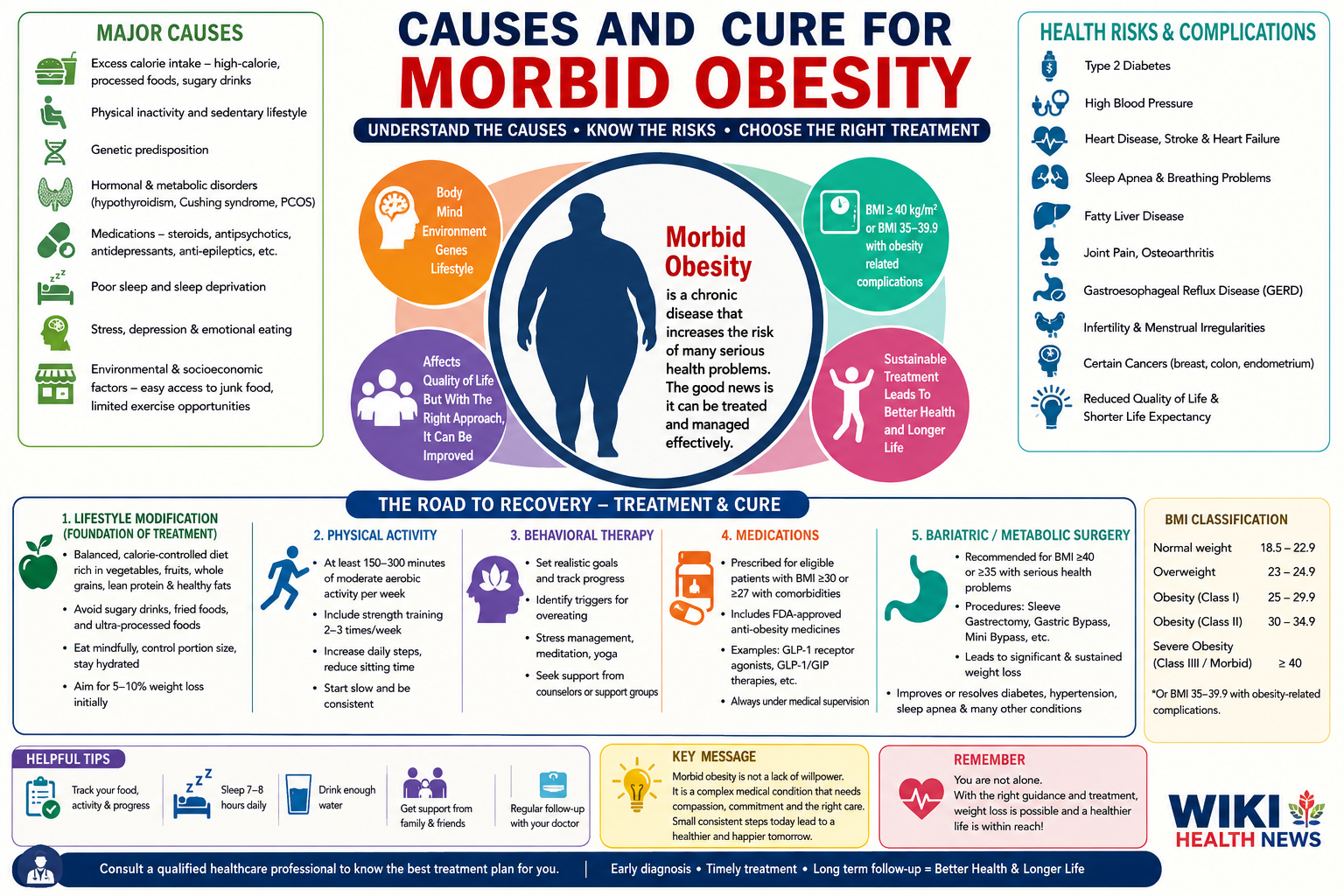
Morbid obesity, now more commonly termed severe or class III obesity, is a chronic medical condition characterized by excessive body fat that significantly increases the risk of cardiovascular disease, type 2 diabetes, hypertension, sleep apnea, fatty liver disease, osteoarthritis, and several cancers.
Major Causes
Morbid obesity usually results from multiple interacting factors rather than simply overeating.
- Excess calorie intake – Regular consumption of calorie-dense foods, sugary beverages, refined carbohydrates, and ultra-processed foods can promote weight gain.
- Physical inactivity – Sedentary work, prolonged screen time, and inadequate exercise reduce daily energy expenditure.
- Genetic factors – Genetics can influence appetite, satiety, metabolism, fat distribution, and susceptibility to obesity.
- Hormonal and metabolic disorders – Conditions such as hypothyroidism, Cushing syndrome, and certain endocrine disorders can contribute to weight gain.
- Medications – Some antipsychotics, antidepressants, corticosteroids, anticonvulsants, and diabetes medications may promote weight gain.
- Sleep deprivation – Insufficient sleep can alter appetite-regulating hormones and increase hunger.
- Psychological factors – Stress, depression, emotional eating, and binge-eating disorder may contribute.
- Environmental and socioeconomic factors – Easy access to inexpensive high-calorie foods and limited opportunities for physical activity can increase risk.
How Is Morbid Obesity Diagnosed?
BMI ≥40 kg/m² is generally classified as class III obesity. A BMI of 35–39.9 kg/m² with significant obesity-related complications may also represent severe obesity requiring intensive treatment.
BMI is only one component of assessment. Doctors should also evaluate waist circumference, blood pressure, glucose/HbA1c, lipid profile, liver function, sleep apnea, medications, eating behavior, and obesity-related complications.
Treatment and Cure
There is no single “cure” that works for everyone. Severe obesity is best managed as a long-term chronic disease.
1. Lifestyle modification
A structured nutrition program emphasizing vegetables, fruits, whole grains, legumes, adequate protein, and minimally processed foods can help create a sustainable calorie deficit. Regular aerobic activity plus resistance training helps preserve muscle and improve metabolic health.
2. Behavioral therapy
Food diaries, structured meal planning, sleep optimization, stress management, and psychological support can improve long-term adherence.
3. Anti-obesity medications
For appropriately selected patients, modern medications—including GLP-1 receptor agonists and GLP-1/GIP-based therapies—can produce substantial weight loss when combined with lifestyle intervention. Treatment should be individualized and medically supervised.
4. Bariatric/metabolic surgery
For some people with severe obesity, procedures such as sleeve gastrectomy and Roux-en-Y gastric bypass can produce substantial and sustained weight loss and may improve or even induce remission of conditions such as type 2 diabetes, hypertension, and sleep apnea.
Key Message
Morbid obesity is not simply a lack of willpower. It is a complex chronic disease involving biological, behavioral, environmental, and psychological factors. The most effective approach combines nutrition, physical activity, behavioral intervention, appropriate medication, and—when indicated—metabolic/bariatric surgery.
People with severe obesity should undergo a comprehensive medical assessment before beginning an intensive weight-loss program, particularly if they have diabetes, cardiovascular disease, sleep apnea, or other significant medical conditions.
30 Important Points About Morbid Obesity
- Morbid obesity is now commonly called severe or class III obesity.
- A BMI of 40 kg/m² or higher is generally classified as class III obesity.
- BMI of 35–39.9 kg/m² with significant obesity-related disease may also require intensive obesity treatment.
- Obesity is a chronic medical disease, not simply a lifestyle choice.
- Excess calorie intake is one important contributor to obesity.
- Physical inactivity can promote progressive weight gain.
- Genetics can influence appetite, metabolism, and fat distribution.
- Poor sleep may increase hunger and promote weight gain.
- Chronic stress can contribute to emotional eating.
- Certain medications can cause or worsen weight gain.
- Hypothyroidism and other endocrine disorders should be considered when clinically appropriate.
- Severe obesity increases the risk of type 2 diabetes.
- It is strongly associated with high blood pressure.
- Obesity increases the risk of coronary artery disease and heart failure.
- Obstructive sleep apnea is particularly common in severe obesity.
- Obesity can contribute to metabolic dysfunction-associated steatotic liver disease (MASLD).
- Excess body weight places additional stress on the knees, hips, and spine.
- Obesity can impair mobility and physical functioning.
- Psychological conditions, including depression and binge-eating disorder, may coexist with obesity.
- Sustainable weight loss usually requires long-term lifestyle changes.
- A calorie-controlled, nutrient-dense diet is an important component of treatment.
- Adequate dietary protein can help support muscle mass during weight loss.
- Resistance exercise can help preserve lean muscle.
- Regular aerobic activity improves cardiovascular and metabolic fitness.
- Behavioral counseling can improve adherence to weight-management strategies.
- Prescription anti-obesity medications may be appropriate for selected patients.
- GLP-1-based therapies can produce substantial weight loss in appropriate patients.
- Bariatric/metabolic surgery can be highly effective for appropriately selected patients with severe obesity.
- Weight-loss treatment should also address diabetes, hypertension, sleep apnea, and other complications.
- Early medical evaluation and individualized treatment offer the best opportunity for meaningful, sustained weight reduction.
30 FAQs About Morbid Obesity
1. What is morbid obesity?
Morbid obesity is an older term commonly used for severe or class III obesity, generally corresponding to a BMI of 40 kg/m² or greater, or severe obesity associated with important health complications.
2. What BMI is considered morbid obesity?
A BMI of 40 kg/m² or above is generally classified as class III obesity.
3. Can BMI alone diagnose obesity?
No. BMI is a useful screening measure but does not directly measure body fat or overall metabolic health. Waist circumference, medical history, and associated diseases should also be considered.
4. What causes morbid obesity?
Causes include excess energy intake, physical inactivity, genetics, sleep problems, medications, psychological factors, environmental influences, and sometimes hormonal or metabolic disorders.
5. Is morbid obesity a disease?
Yes. Obesity is recognized as a chronic disease involving abnormal or excessive body fat that can impair health.
6. Can morbid obesity be cured?
Obesity can often be effectively treated and controlled, but maintaining weight loss generally requires long-term management.
7. Can diet alone treat severe obesity?
Diet is essential, but people with severe obesity may benefit from a comprehensive approach involving exercise, behavioral therapy, medication, and sometimes metabolic surgery.
8. What diet is best for morbid obesity?
There is no single diet suitable for everyone. A sustainable calorie deficit emphasizing vegetables, fruits, whole grains, legumes, protein-rich foods, and minimally processed foods is generally appropriate.
9. Should carbohydrates be completely eliminated?
Usually not. The quality and quantity of carbohydrates matter. High-fiber, minimally processed carbohydrate sources can be incorporated into a balanced diet.
10. Is exercise important for weight loss?
Yes. Exercise improves cardiovascular fitness, insulin sensitivity, physical function, and maintenance of lost weight, although dietary changes often contribute substantially to the initial calorie deficit.
11. How much exercise should someone with severe obesity do?
The appropriate amount depends on fitness, mobility, and medical conditions. A gradual increase in activity is usually safer than suddenly starting intense exercise.
12. Can lack of sleep cause obesity?
Poor or inadequate sleep can influence appetite-regulating hormones, food cravings, energy balance, and physical activity, potentially increasing obesity risk.
13. Can stress cause weight gain?
Yes. Chronic stress may contribute to overeating, emotional eating, poor sleep, and reduced physical activity.
14. Can medications cause obesity?
Yes. Some medications can promote weight gain. A doctor should review medications before making any changes.
15. Can hypothyroidism cause severe obesity?
Hypothyroidism can contribute to weight gain, but it is usually not the sole explanation for severe obesity. Appropriate thyroid evaluation should be performed when clinically indicated.
16. Does obesity increase the risk of diabetes?
Yes. Severe obesity substantially increases the risk of type 2 diabetes, particularly when accompanied by insulin resistance.
17. Does obesity affect the heart?
Yes. It is associated with hypertension, dyslipidemia, coronary artery disease, atrial fibrillation, heart failure, and other cardiovascular problems.
18. Can obesity cause high blood pressure?
Yes. Increased body weight can contribute to hypertension through several metabolic, hormonal, renal, and vascular mechanisms.
19. Why is sleep apnea common in severe obesity?
Excess tissue around the upper airway can increase airway narrowing during sleep. Obesity also alters respiratory mechanics and increases the risk of obstructive sleep apnea.
20. Can severe obesity cause fatty liver?
Yes. Excess body fat and insulin resistance are major risk factors for metabolic dysfunction-associated steatotic liver disease (MASLD).
21. Are weight-loss medicines effective?
Several prescription medications can produce clinically meaningful weight loss in appropriately selected patients. They work best alongside nutrition, physical activity, and behavioral interventions.
22. What are GLP-1 medicines?
GLP-1 receptor agonists are medications that mimic the action of the naturally occurring hormone GLP-1. They can reduce appetite, increase satiety, and slow gastric emptying.
23. What is metabolic or bariatric surgery?
It is surgery designed to produce substantial and durable weight loss and improve obesity-related metabolic disease. Common procedures include sleeve gastrectomy and gastric bypass.
24. Is bariatric surgery safe?
Modern bariatric procedures can be performed safely in appropriately selected patients, but—as with any major surgery—they carry potential risks and require long-term follow-up.
25. Can bariatric surgery improve diabetes?
Yes. Metabolic surgery can produce major improvements in type 2 diabetes and, in some patients, can lead to diabetes remission.
26. Can severe obesity reduce life expectancy?
Severe obesity is associated with increased risks of cardiovascular disease, diabetes, certain cancers, respiratory disorders, and other conditions that can contribute to premature mortality.
27. Why do some people regain weight after losing it?
The body can respond to weight loss with increased appetite and changes in energy expenditure. Long-term treatment and follow-up are therefore important.
28. Is obesity only caused by overeating?
No. Obesity results from interactions among biology, genetics, behavior, environment, sleep, medications, psychological factors, and metabolic regulation.
29. When should someone with severe obesity see a doctor?
Medical evaluation is appropriate when BMI is in the severe-obesity range, particularly when there are conditions such as diabetes, hypertension, sleep apnea, heart disease, liver disease, or difficulty losing weight despite lifestyle changes.
30. What is the most effective treatment for morbid obesity?
There is no universal treatment. The most effective strategy is individualized, multidisciplinary obesity management, potentially combining nutrition, exercise, behavioral therapy, anti-obesity medication, and metabolic/bariatric surgery when indicated.
What is Obesity?
Obesity is a scientific circumstance wherein extra frame of fats get accrued in the pores. It gets deposited and skin and across the visceral organs. It can lead to numerous different illnesses and conditions, mainly coronary heart illnesses (cardiovascular illnesses), cancers (breast and colon), despair and sound sleep disorder.
What are the Causes of Obesity?
Intake of extra calories, fat and sugars can result in weight problems. It is typically resulting from ingesting an excessive amount of and now no longer doing any bodily pastime. Physical pastime or workout burns off the extra strength acquired via weight loss plan. If it didn’t burn, tons of the excess strength receives saved with inside the frame as fat, main to weight problems.
Specific reasons of weight problems include: ·
- Inactive lifestyle ·
- Hormonal imbalance ·
- Poor weight loss plan and now no longer sufficient sleep
- Genetic factors (genes) ·
- Stress and feeling sad
- Menopause: five-7 kg of weight advantage ·
- Weight advantage all through pregnancy ·
- Quitting smoking: 2-five kg of weight advantage in first 6 months after quitting Medical situations which motive weight problems include.
PCOS: Polycystic Ovary
Hormonal imbalance in women can reason weight problems. Osteoarthritis – Joint pains, which make the bodily interest difficult. Hypothyroidism – Deficiency in manufacturing of thyroid hormones, can cause weight gain. Cushing’s syndrome – Production of cortisol hormone with inside the frame in excess. Prader- wili syndrome: A genetic disease in new child that reasons weight problems and highbrow disability. Medicines together with start manipulate pills, antidepressants and antipsychotics also can reason weight gain.
What are the Risk Factors of Obesity?
Factors may be genetic, environmental and psychological, which growth a person’s danger for obesity.
· Extreme tiredness
· Breathlessness (shortness of breath)
· Snoring (respiratory closely throughout sleep)
· Excess sweating
· Back and joint pain
· Inactive bodily activity
· Low confidence
· Depression (critical temper disorder)
· Overeating
· High blood pressure and excessive stage of cholesterol
Genetic Factors: Some genes, which can be answerable for inflicting obesity, are inherited from parents.
Environmental Factors: Our environment can impact us much, that we get tailored to any dependancy like terrible ingesting habits, wrong way of life and shortage of bodily activity. If a right eating regimen wealthy in vitamins is consumed, it avoids many fitness issues and maintains us healthful. Exercise is the important thing to healthful way of life, as many fitness-associated troubles may be solved through normal workout and bodily activity.
If those matters i.e., eating regimen and bodily workout are applied in life, then weight problems and different situations may be avoided.
Psychological Factors: Depression can cause obesity. Some people have a habit of eating too much for emotional comfort, which can cause obesity.
Other Factors:
Quitting smoking can cause weight gain by 2-5 kgs in first 6 months after quitting.
Medications such as steroids can put a person at a greater risk of obesity.
What are the Complications of Obesity?
Excess fats withinside the body, can positioned someone at threat for diverse fitness problems, such as:
· Type-2 diabetes (insulin unbiased diabetes)
· High blood strain and excessive ldl cholesterol level
· Cardiovascular disease
· Cancers (breast and colon)
· Osteoarthritis
· Infertility
· Breathing problems
· Sleeplessness (not able to sleep properly)
How Can Obesity be diagnosed?
It is recognized with the aid of using checking BMI of an individual. Body mass index (BMI) is a calculation of person’s weight with regards to height. If the BMI is stated as 30 or more, it’s miles a clean indication of obesity.
Measures for body fat :
Thickness of skin- fold and waist to hip comparison.
Other tests include:
- Blood Test- For examination of cholesterol and glucose level
- Screening Tests- Computed tomography (CT), ultrasound and MRI
- Liver Function Test
- Thyroid test (TSH)
- Echocardiogram (heart functioning test)
- Diabetes screening test
What is the Treatment for Obesity?
Obesity can be managed or treated by using different methods, which include:
Lifestyle changes:
Dieting and food wealthy in vitamins must be consumed, which allows in dropping weight.
Physical Exercise:
A well-deliberate and based exercising daily, can building up strength, metabolism and allows in burning of extra fats withinside the body. Behaviour changes: Counselling and social help can help, to triumph over melancholy and overeating habit.
Surgery:
It is appropriate for people having BMI of 35-forty or extra. Surgical alternatives include: Gastric Sleeve (vertical sleeve gastrectomy): In this method, 80% of belly is removed.
Gastric Bypass Surgery:
A small pouch is reduce with inside the belly, which shrinks its length and bounds the consumption of extra meals and its absorption. Laparoscopic Adjustable Gastric Banding (LAGB): A band is located across the higher a part of belly to create a small pouch, which holds meals. The band limits the meals consumption.
Biliopancreatic Diversion with Duodenal Switch:
In this procedure, quantities of belly are removed. A small pouch is created, which stays in reference to very last section of small gut and bypasses the higher part of small gut.
What are the Preventive Methods for Obesity?
- Good way of life choice
- Moderate exercising each day for 20-30 min
- Intake of nutritious food
- Moderate intake of fat and energy in food
- Medications to lessen urge for food and fats absorption
- Gastric balloon surgery- A tool is positioned briefly in belly to lessen weight
How can you prevent obesity?
There’s been a dramatic boom in weight problems and in weight problems-associated sicknesses withinside the remaining couple decades. This is the cause why communities, states, and the federal authorities are setting an emphasis on more healthy meals choices and activities to assist flip the tide on weight problems.
On a non-public level, you could assist save you weight advantage and weight problems via way of means of making more healthy way of life choices:
Aim for slight exercise like walking, swimming, or biking for 20 to half-hour each day.
Eat well via way of means of selecting nutritious ingredients, like fruits, vegetables, entire grains, and lean protein.
Eat high-fat, high-calorie ingredients in moderation.News on Obesity
Results at the frame
Obesity has been related with an extended threat of many exclusive varieties of cancers, which include endometrial, liver, kidney, cervical, colon, esophageal, and pancreatic cancer, amongst others.
As your frame mass index (BMI) increases, so does your threat of growing cancer.
Obesity Facts
People who’re obese or overweight face a variety of fitness complications, poor consequences, and concerns. In fact, being obese or overweight will increase a person’s chance for plenty illnesses and fitness conditions. Unfortunately, prices with inside the United States are rising. With that statistic comes a few outstanding costs.

Read More