Cholesterol and Heart Disease: Understanding the Link, Risks, Prevention and Treatment
Cholesterol and Heart Disease: Understanding the Link, Risks, Prevention and Treatment
Cholesterol and Heart Disease: What You Need to Know
Cholesterol is an essential substance that the body needs to build cells, make hormones and produce vitamin D. However, having too much cholesterol in the bloodstream—particularly low-density lipoprotein (LDL) cholesterol—can contribute to the development of atherosclerosis, a process in which fatty deposits build up inside the arteries.
Over time, cholesterol-containing plaque can narrow the arteries that supply blood to the heart. This can increase the risk of coronary artery disease, heart attack and stroke.
Understanding the relationship between cholesterol and heart disease is therefore an important part of cardiovascular prevention.
What Is Cholesterol?
Cholesterol is a waxy, fat-like substance transported through the bloodstream by lipoproteins.
The main types commonly discussed in a lipid profile are:
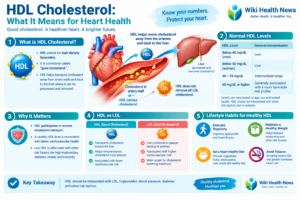
- LDL cholesterol: Often called “bad cholesterol” because elevated levels can contribute to plaque formation in arteries.
- HDL cholesterol: Often called “good cholesterol.” HDL participates in transporting cholesterol away from tissues toward the liver.
- Triglycerides: Another type of blood fat that can contribute to cardiovascular risk, particularly when significantly elevated.
- Total cholesterol: A measurement that combines several components of the lipid profile.
While these categories are useful for understanding a lipid report, cardiovascular risk should not be judged from a single cholesterol number alone.
How Does High Cholesterol Cause Heart Disease?
Persistently elevated LDL cholesterol can enter the artery wall and contribute to the development and progression of atherosclerotic plaque.
A simplified process is:
High LDL → cholesterol enters artery wall → plaque develops → artery narrows or plaque ruptures → blood clot may form → heart attack or other cardiovascular event
Plaques do not always cause symptoms during the early stages. A person may therefore have significant coronary artery disease without knowing it.
This is why cholesterol screening and overall cardiovascular risk assessment are important even when a person feels healthy.
LDL Cholesterol and Heart Disease
LDL cholesterol is one of the most important modifiable risk factors for atherosclerotic cardiovascular disease.
In general, lower LDL cholesterol is associated with lower cardiovascular risk, particularly in people at high or very high risk.
The appropriate LDL target is not identical for everyone. People with established coronary artery disease, previous heart attack, stroke or other forms of atherosclerotic cardiovascular disease may require much more intensive LDL lowering than someone with low overall cardiovascular risk.
For this reason, cholesterol treatment should be based on an individual’s complete cardiovascular risk profile rather than a single universal target.
HDL Cholesterol: Is Higher Always Better?
HDL cholesterol is commonly called “good cholesterol” because it is involved in reverse cholesterol transport and has other potentially protective functions.
However, simply increasing HDL cholesterol does not necessarily reduce cardiovascular events. Modern cholesterol management focuses primarily on reducing atherogenic cholesterol, particularly LDL cholesterol, rather than trying to raise HDL with medication.
Healthy lifestyle habits remain important for overall cardiovascular health.
Who Is at Higher Risk?
The risk associated with high cholesterol can be greater when combined with other cardiovascular risk factors.
These include:
- High blood pressure
- Diabetes
- Smoking
- Obesity
- Physical inactivity
- Family history of premature heart disease
- Chronic kidney disease
- Metabolic disorders
- Increasing age
- Previous cardiovascular disease
People with multiple risk factors should discuss their overall cardiovascular risk with a healthcare professional.
Internal link: Learn more about heart disease prevention.
Symptoms of High Cholesterol
High cholesterol usually does not cause noticeable symptoms.
A person can have elevated LDL cholesterol for years without experiencing chest pain, breathlessness or other warning signs.
Symptoms generally occur when cholesterol-related plaque has already contributed to cardiovascular disease.
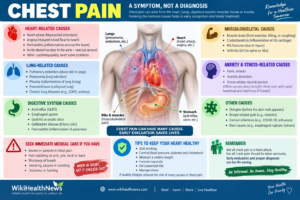
For example, coronary artery disease may cause:
- Chest pressure or discomfort
- Shortness of breath
- Fatigue during exertion
- Pain or discomfort spreading to the arm, shoulder, jaw or back
A heart attack can occur when a coronary artery becomes suddenly blocked.
Important: New, severe or persistent chest discomfort, particularly when associated with breathlessness, sweating, nausea or weakness, requires urgent medical assessment.
Cholesterol and Blocked Arteries
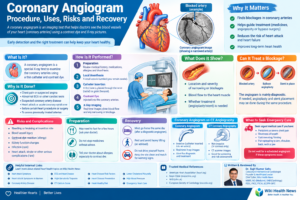
High LDL cholesterol can contribute to plaque accumulation inside coronary arteries. As plaque grows, the artery may become increasingly narrowed.
However, coronary artery disease is not caused by cholesterol alone. Inflammation, smoking, high blood pressure, diabetes and other biological processes can contribute to plaque development and instability.
People concerned about coronary artery disease can learn more about signs of blocked arteries in the heart.
How to Lower Cholesterol Naturally
Lifestyle changes are an important part of cholesterol management.
1. Eat More Soluble Fiber
Foods containing soluble fiber can help reduce LDL cholesterol.
Good options include:
- Oats
- Barley
- Beans
- Lentils
- Chickpeas
- Apples
- Pears
- Vegetables
2. Choose Healthy Fats
Replace foods high in saturated and trans fats with sources of unsaturated fat.
Choose more often:
- Nuts
- Seeds
- Olive oil
- Avocado
- Fish
Avoid excessive intake of highly processed and fried foods.
For additional dietary guidance, see best foods to lower cholesterol naturally.
3. Exercise Regularly
Regular physical activity can improve overall cardiovascular health, support healthy body weight and contribute to a favorable lipid profile.
A common goal for adults is at least 150 minutes of moderate-intensity aerobic activity per week, when medically appropriate.
Walking, cycling, swimming and other aerobic activities can be incorporated into a regular exercise routine.
4. Maintain a Healthy Weight
If you are overweight, gradual weight loss can improve several cardiovascular risk factors, including cholesterol and triglycerides.
Avoid extreme diets. A sustainable eating pattern combined with physical activity is generally a better long-term strategy.
5. Do Not Smoke
Smoking damages blood vessels and substantially increases cardiovascular risk. Quitting smoking is one of the most important steps for protecting heart health.
6. Control Blood Pressure and Blood Sugar
High blood pressure and diabetes can compound the cardiovascular risk associated with high cholesterol.
A comprehensive approach should therefore address cholesterol, blood pressure, blood glucose, weight, physical activity and smoking, rather than focusing on cholesterol in isolation.
For people managing hypertension, see high blood pressure diet.
The Mediterranean Diet and Cholesterol
A Mediterranean-style dietary pattern emphasizes:
- Vegetables
- Fruits
- Whole grains
- Legumes
- Nuts and seeds
- Fish
- Unsaturated fats
- Minimally processed foods
It also limits highly processed foods, excess added sugars and unhealthy fats.
This eating pattern can be incorporated into an overall strategy for cardiovascular risk reduction.
Read more about the Mediterranean diet for heart health.
When Are Cholesterol Medicines Needed?
Lifestyle changes are essential, but they are not always sufficient.
Doctors may recommend cholesterol-lowering medication when a person’s cardiovascular risk is high or when LDL cholesterol remains elevated despite appropriate lifestyle measures.
Statins are among the most commonly used medications for reducing LDL cholesterol and cardiovascular risk. Other medications—including ezetimibe, PCSK9-targeting therapies and other lipid-lowering treatments—may be considered for selected patients.
The decision depends on factors such as:
- LDL cholesterol level
- Previous heart attack or stroke
- Coronary artery disease
- Diabetes
- Age
- Blood pressure
- Smoking status
- Kidney disease
- Family history
- Overall cardiovascular risk
Medication should be prescribed and monitored by a qualified healthcare professional.
Cholesterol Testing
A lipid profile commonly measures:
- Total cholesterol
- LDL cholesterol
- HDL cholesterol
- Triglycerides
The frequency of testing depends on age, medical history, cardiovascular risk and whether treatment is being used.
People with diabetes, established cardiovascular disease, familial hypercholesterolemia or other significant risk factors may need more frequent monitoring.
You can also learn more about recommended heart health screenings.
Can High Cholesterol Be Reversed?
High cholesterol can often be substantially improved and controlled, but the approach depends on its cause.
Lifestyle changes may produce meaningful improvements. However, some people have genetically high cholesterol and require long-term medication.
For example, familial hypercholesterolemia can cause very high LDL cholesterol from an early age and significantly increase the risk of premature cardiovascular disease.
Therefore, very high LDL cholesterol or a strong family history of early heart disease should prompt medical evaluation.
Cholesterol and Triglycerides
Cholesterol and triglycerides are different types of blood lipids, but both can contribute to cardiovascular risk.
High triglycerides may occur together with:
- Obesity
- Diabetes
- Insulin resistance
- Excess alcohol consumption
- High intake of added sugars
- Certain medications
- Genetic lipid disorders
Lifestyle measures such as weight management, regular exercise, reducing added sugars and limiting alcohol can help improve triglyceride levels.
Internal link: For readers interested in lipid management, link to how to reduce triglycerides naturally.
Cholesterol and Heart Disease Prevention
Preventing cardiovascular disease requires more than controlling cholesterol.
A heart-health strategy should include:
- Regular cholesterol assessment
- Blood pressure control
- Healthy blood glucose
- Regular physical activity
- A nutritious eating pattern
- Healthy body weight
- Smoking cessation
- Adequate sleep
- Appropriate management of medical conditions
- Regular medical review when cardiovascular risk is elevated
The earlier risk factors are identified and addressed, the greater the opportunity to prevent cardiovascular events.
Key Takeaway
The relationship between cholesterol and heart disease is particularly important because elevated LDL cholesterol can contribute to atherosclerosis and coronary artery disease without causing symptoms.
A heart-healthy diet, regular exercise, healthy weight, smoking cessation and management of blood pressure and diabetes can reduce cardiovascular risk. For people at higher risk, cholesterol-lowering medications may provide additional protection.
Do not wait for symptoms to appear before checking cardiovascular risk. Regular lipid testing and personalized risk assessment can help identify problems early and guide appropriate prevention.
Internal Linking Structure for Wiki Health News
Use these links naturally throughout the article:
| Anchor Text | Direct Wiki Health News Link |
|---|---|
| heart disease prevention | https://wikihealthnews.com/heart-disease-prevention/ |
| best foods to lower cholesterol naturally | https://wikihealthnews.com/best-foods-to-lower-cholesterol-naturally/ |
| Mediterranean diet for heart health | https://wikihealthnews.com/mediterranean-diet-for-heart-health/ |
| high blood pressure diet | https://wikihealthnews.com/high-blood-pressure-diet/ |
| signs of blocked arteries in the heart | https://wikihealthnews.com/signs-of-blocked-arteries-in-heart/ |
| recommended heart health screenings | https://wikihealthnews.com/recommended-heart-health-screenings/ |
| how to reduce triglycerides naturally | https://wikihealthnews.com/how-to-reduce-triglycerides-naturally/ |
Author Bio
Dr. Sujit Kumar Sahu, Consultant Cardiologist & Medical Editor, contributes medically reviewed cardiovascular and preventive-health content for Wiki Health News. His editorial interests include cholesterol management, heart disease prevention, hypertension, cardiovascular risk assessment and patient education.
Medical Reviewer: Dr. Debasish Mohapatra, Consultant Interventional Cardiologist.
Medical Disclaimer
This article is intended for general health education and does not replace individualized medical advice, diagnosis or treatment. Cholesterol targets and treatment decisions vary according to a person’s cardiovascular risk and medical history. Consult a qualified healthcare professional for personalized assessment.
Authoritative References
- Here are the direct, authoritative links you can add to the References section of the Wiki Health News article. I’ve also updated the older ACC/AHA reference to the 2026 dyslipidemia guideline, which now supersedes the 2018 cholesterol guideline. (professional.heart.org)
- Authoritative Cholesterol & Heart Disease References
- American Heart Association (AHA) — Cholesterol and Heart Disease
American Heart Association: What Is Cholesterol?
AHA explains how elevated cholesterol, particularly LDL cholesterol, contributes to plaque buildup and increases the risk of heart disease and stroke. (www.heart.org) - American College of Cardiology/American Heart Association — 2026 Dyslipidemia Guideline
2026 ACC/AHA Guideline on the Management of Dyslipidemia
This is the current ACC/AHA guideline covering cholesterol, LDL-C, triglycerides, lipoprotein(a), cardiovascular risk assessment and lipid-lowering treatment. It replaces the 2018 blood cholesterol guideline. (professional.heart.org) - European Society of Cardiology/European Atherosclerosis Society — Dyslipidaemia Guidelines
2025 ESC/EAS Focused Update of the Dyslipidaemia Guidelines
The 2025 focused update provides current European recommendations for cardiovascular risk assessment and lipid-lowering treatment. (EAS) - National Heart, Lung, and Blood Institute (NHLBI) — Cholesterol & Heart Health
NHLBI Cholesterol and Heart Health Resources - Recommended References Section
- You can paste this directly into the article:
- References
- American Heart Association — What Is Cholesterol?
- American College of Cardiology/American Heart Association — 2026 Guideline on the Management of Dyslipidemia
- European Society of Cardiology/European Atherosclerosis Society — 2025 Focused Update of the Dyslipidaemia Guidelines
- National Heart, Lung, and Blood Institute — High Blood Cholesterol
- SEO note: For a 2026 article, I recommend citing the 2026 ACC/AHA dyslipidemia guideline rather than the older 2018 cholesterol guideline because the 2026 guideline explicitly replaces the 2018 document. (professional.heart.org)