Folic Acid Before Pregnancy: Why It Matters and When to Start
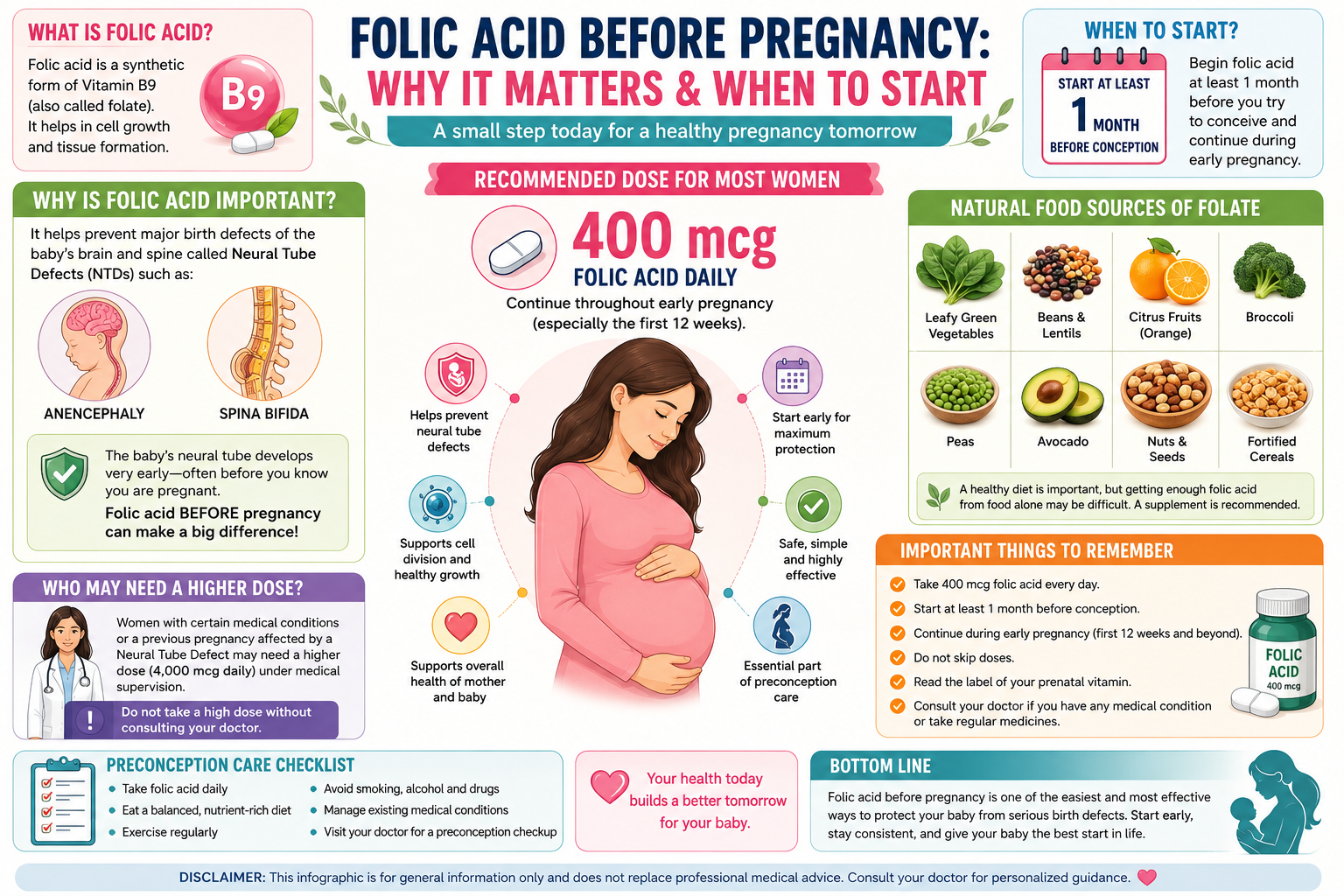
Folic Acid Before Pregnancy: Why It Matters and When to Start
Planning to become pregnant? One of the simplest and most important steps you can take is ensuring you get enough folic acid before pregnancy. Folic acid is a form of vitamin B9 that supports cell growth and development. Adequate folic acid before and during early pregnancy can help reduce the risk of serious neural tube defects (NTDs) affecting the baby’s brain and spine. (CDC)
What Is Folic Acid?
Folic acid is a form of vitamin B9 used in supplements and fortified foods. Folate is the broader term for naturally occurring forms of vitamin B9 found in foods such as leafy green vegetables, beans, and oranges.
Folic acid is particularly important around conception because the neural tube develops and closes very early in pregnancy—often before a woman knows she is pregnant. (CDC)
Why Is Folic Acid Important Before Pregnancy?
Adequate folic acid helps support the rapid cell division and development that occurs during early pregnancy. Most importantly, taking folic acid before and during early pregnancy can help prevent neural tube defects such as spina bifida and anencephaly. (CDC)
This is why women should not wait until their first prenatal appointment to start supplementation if pregnancy is being planned.
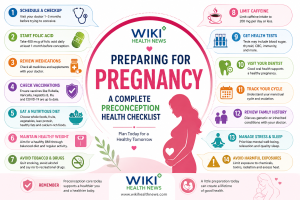
Internal link: Read Preconception Care: What Every Woman Should Know Before Pregnancy.
When Should You Start Folic Acid?
For most women who could become pregnant, the CDC recommends 400 micrograms (mcg) of folic acid every day. Women planning pregnancy should ideally begin at least 1 month before conception and continue during pregnancy. (CDC)
WHO recommends 400 mcg daily from the time a woman begins trying to conceive through 12 weeks of pregnancy. (World Health Organization)
Starting early matters because neural tube development occurs during the first few weeks of pregnancy.
How Much Folic Acid Do You Need?
For most women:
Recommended amount: 400 mcg (0.4 mg) folic acid daily.
Some prenatal vitamins contain 400–800 mcg of folic acid. Check the supplement label to confirm the actual amount of folic acid, rather than assuming that every product containing “folate” provides the same form. (CDC)
Women who have previously had a pregnancy affected by a neural tube defect may be advised to take a higher dose under medical supervision. CDC guidance describes 4,000 mcg daily beginning one month before conception and continuing through the first three months of pregnancy for this specific situation. (CDC)
Do not take high-dose folic acid without medical advice.
Can You Get Folic Acid From Food?
A healthy diet should include foods naturally rich in folate, including:
- Leafy green vegetables
- Beans and pulses
- Peas
- Oranges and other citrus fruits
- Nuts and seeds
- Fortified grains and cereals
However, getting the recommended amount specifically for neural-tube-defect prevention can be difficult from food folates alone. A supplement containing folic acid is therefore recommended for women who could become pregnant. (CDC)
Internal links:
Is Folic Acid Safe?
Folic acid is considered safe and effective at recommended amounts. CDC notes that extensive research supports its safety at the recommended dose. (CDC)
If you have a medical condition, take prescription medicines, or have previously had a pregnancy affected by an NTD, discuss the appropriate dose with your doctor.
What If You Become Pregnant Without Taking Folic Acid?
Do not panic. Start taking the recommended folic acid supplement as soon as possible and contact your healthcare provider for individualized advice. Folic acid is particularly important during early pregnancy, so starting promptly is beneficial.
Folic Acid Before Pregnancy: Quick Checklist
Before conception:
✅ Take 400 mcg folic acid daily
✅ Ideally start at least 1 month before conception
✅ Continue during early pregnancy
✅ Eat a balanced diet containing folate-rich foods
✅ Check your prenatal vitamin label
✅ Discuss medications and supplements with your doctor
✅ Ask about a higher dose if you have specific risk factors
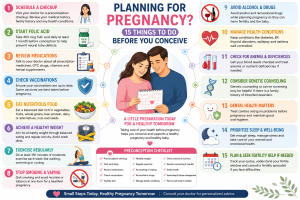
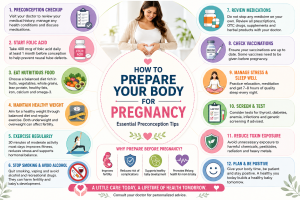
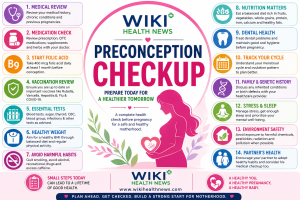
✅ Attend a preconception health checkup
Final Takeaway
Folic acid before pregnancy is an essential part of preconception care. Taking 400 mcg of folic acid daily at least one month before conception and during early pregnancy can help prevent serious neural tube defects. Because these defects develop very early—often before pregnancy is recognized—starting before conception is especially important. (CDC)
Folic acid supplementation should complement, not replace, a nutritious diet and appropriate preconception medical care.
References
- Centers for Disease Control and Prevention (CDC) – About Folic Acid
CDC: About Folic Acid - CDC – Neural Tube Defects
CDC: Neural Tube Defects - CDC – Folic Acid: Facts for Clinicians
CDC: Folic Acid: Facts for Clinicians - CDC – Folic Acid: Sources and Recommended Intake
CDC: Folic Acid Sources and Recommended Intake - CDC – Folic Acid Safety, Interactions, and Health Outcomes
CDC: Folic Acid Safety and Health Outcomes - World Health Organization (WHO) – Periconceptional Folic Acid Supplementation
WHO: Periconceptional Folic Acid Supplementation
Yes — here is a WordPress-ready version with internal links naturally placed inside the article, plus 30 FAQs and the Dr. Nabaneeta Padhy author card. I’ve used existing Wiki Health News pages where I could verify the URLs. (wiki Health News)
Folic Acid Before Pregnancy: Why It Matters and When to Start
Meta Title: Folic Acid Before Pregnancy: Why It Matters & When to Start
Meta Description: Learn why folic acid is important before pregnancy, when to start, recommended dosage, food sources, benefits, and who may need a higher dose.
Focus Keyword: folic acid before pregnancy
Suggested Slug: folic-acid-before-pregnancy
Planning to become pregnant? Taking folic acid before pregnancy is one of the most important steps you can take during the preconception period. Folic acid is a form of vitamin B9 that supports cell division and early development. Adequate folic acid intake before and during early pregnancy can significantly reduce the risk of neural tube defects affecting the baby’s brain and spinal cord.
Why Is Folic Acid Important Before Pregnancy?
The baby’s neural tube develops very early in pregnancy, often before a woman knows she is pregnant. This is why waiting until the first prenatal appointment to begin folic acid may mean missing an important window.
For most women who could become pregnant, taking 400 micrograms (mcg) of folic acid every day is recommended. The CDC recommends beginning at least one month before conception and continuing during pregnancy.
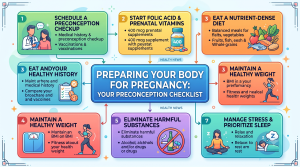
For broader pregnancy planning, read our guide on Preconception Care.
When Should You Start Taking Folic Acid?
Ideally, folic acid should be started at least one month before trying to conceive. Women who are planning pregnancy should continue taking it during early pregnancy according to their healthcare provider’s advice.
If pregnancy occurs unexpectedly and you were not taking folic acid, don’t panic. Begin the recommended supplementation as soon as possible and contact your healthcare professional.
How Much Folic Acid Should You Take?
For most women:
400 mcg (0.4 mg) of folic acid daily
Some women may require a higher dose because of specific medical or pregnancy-related risk factors. For example, women who have previously had a pregnancy affected by a neural tube defect may be advised to take 4,000 mcg daily under medical supervision.
High-dose folic acid should not be taken without medical advice.
Can You Get Folate From Food?
Yes. Folate occurs naturally in many foods, including:
- Spinach and other leafy green vegetables
- Beans and lentils
- Peas
- Broccoli
- Avocado
- Oranges and other citrus fruits
- Nuts and seeds
- Fortified cereals and grains
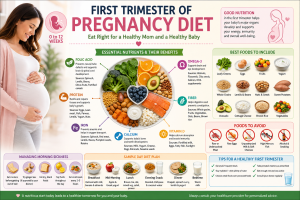
A nutritious diet should form the foundation of preconception health. Our First Trimester Pregnancy Diet guide provides additional information about folate-rich foods, iron, calcium, protein, and other pregnancy nutrients.
You can also explore Vitamin C Rich Foods, particularly because vitamin-C-rich foods can complement a healthy diet and help improve absorption of non-heme iron.
Folic Acid and Iron Before Pregnancy
Iron is another important nutrient to consider before pregnancy. Women with heavy menstrual bleeding or a history of anemia may need assessment before conception.
Read Iron-Rich Foods for practical dietary sources of iron.
Is Folic Acid the Same as Folate?
Folate refers broadly to vitamin B9 forms naturally present in foods, while folic acid is a form used in supplements and fortified foods.
For neural tube defect prevention, recommendations specifically refer to folic acid supplementation.
Who May Need a Higher Dose?
Certain women may require a higher dose based on their medical or pregnancy history. This can include women with a previous pregnancy affected by a neural tube defect and certain other high-risk situations.
Your doctor should determine the appropriate dose rather than increasing it yourself.
What If I Forget to Take Folic Acid?
If you occasionally forget a dose, take it when you remember unless it is nearly time for the next dose. Do not routinely double doses without medical advice.
If you frequently forget, consider taking it at the same time each day, such as after breakfast.
Folic Acid Before Pregnancy: Simple Checklist
Before conception:
✅ Take 400 mcg folic acid daily unless your doctor recommends another dose
✅ Start at least one month before conception
✅ Continue during early pregnancy
✅ Eat a balanced diet rich in natural folate
✅ Review medications and supplements with your doctor
✅ Attend a preconception health checkup
✅ Ask whether you need a higher dose
✅ Avoid smoking and alcohol when planning pregnancy
✅ Manage existing medical conditions
Final Takeaway
Folic acid before pregnancy is an essential part of preconception care. Starting 400 mcg daily at least one month before conception helps reduce the risk of neural tube defects. Because neural tube development happens very early, beginning folic acid before pregnancy is particularly important.
Folic acid supplementation should be combined with a balanced diet, healthy lifestyle, appropriate medical care, and management of existing health conditions.
30 FAQs About Folic Acid Before Pregnancy
1. Why is folic acid important before pregnancy?
Folic acid supports early cell division and development and helps reduce the risk of neural tube defects in the developing baby.
2. When should I start taking folic acid before pregnancy?
Most women should start at least one month before conception.
3. How much folic acid should I take before pregnancy?
For most women, the recommended amount is 400 mcg daily.
4. Can I start folic acid after becoming pregnant?
Yes. If you were not taking it before conception, start as soon as possible and contact your healthcare provider.
5. Can folic acid improve fertility?
Folic acid is essential for pregnancy preparation and fetal development, but it should not be considered a fertility treatment.
6. Is folic acid the same as folate?
They are forms of vitamin B9. Folate occurs naturally in food, while folic acid is commonly used in supplements and fortified foods.
7. Can I get enough folate from food?
A healthy diet provides natural folate, but supplementation with folic acid is recommended for women who could become pregnant.
8. Which foods are rich in folate?
Leafy greens, beans, lentils, peas, broccoli, avocado, citrus fruits, nuts, and fortified cereals are useful sources.
9. Is 400 mcg of folic acid enough?
For most women, 400 mcg daily is recommended. Certain high-risk women may need a different dose prescribed by their doctor.
10. Who may need high-dose folic acid?
Women with specific risk factors, including a previous pregnancy affected by a neural tube defect, may require a higher dose under medical supervision.
11. Is 5 mg folic acid safe before pregnancy?
High-dose folic acid should only be taken when specifically recommended by a healthcare professional.
12. Can I take folic acid with a prenatal vitamin?
Yes, but check the label to avoid unnecessarily doubling the dose. Your doctor can recommend an appropriate prenatal supplement.
13. What happens if I forget folic acid for one day?
An occasional missed dose is generally not a reason to panic. Resume your normal schedule rather than taking extra doses without advice.
14. Can folic acid prevent birth defects?
Adequate folic acid before and during early pregnancy can substantially reduce the risk of neural tube defects.
15. Does folic acid prevent miscarriage?
Folic acid is primarily recommended for neural tube defect prevention. It should not be considered a treatment for preventing all miscarriages.
16. Can men take folic acid when planning a pregnancy?
Folic acid is particularly important for women who may become pregnant. Men should discuss supplements with their healthcare provider rather than taking them routinely for fertility.
17. Should I take folic acid if I am not planning pregnancy?
Women who could become pregnant are generally advised to obtain adequate folic acid because pregnancy can occur unexpectedly.
18. Can folic acid cause side effects?
Folic acid is generally well tolerated at recommended doses. Tell your doctor about unusual symptoms or concerns.
19. Can I take folic acid with iron?
Folic acid and iron are commonly included together in prenatal supplements, but supplementation should be individualized according to your needs.
20. Does folic acid help prevent anemia?
Folate deficiency can cause a type of anemia. However, iron-deficiency anemia requires appropriate evaluation and treatment.
21. Should women with PCOS take folic acid before pregnancy?
Women with PCOS who are planning pregnancy should follow standard preconception advice, including appropriate folic acid supplementation, while discussing their individual needs with their doctor.
22. Should women with diabetes take folic acid?
Yes, women with diabetes should receive preconception counseling and appropriate folic acid supplementation. The exact dose should be discussed with their healthcare provider.
23. Can folic acid be taken during the first trimester?
Yes. Folic acid is especially important during early pregnancy.
24. Can I take folic acid without a prescription?
Standard-dose folic acid supplements are widely available, but women with medical conditions or previous pregnancy complications should discuss the appropriate dose with their healthcare provider.
25. Does folic acid increase the chance of twins?
Folic acid should not be taken specifically to increase the chance of twins.
26. Does folic acid help the baby’s brain development?
Folate is important for early development, and adequate folic acid helps prevent neural tube defects involving the developing brain and spinal cord.
27. Should I stop folic acid after the first trimester?
The appropriate duration depends on your prenatal supplement and medical advice. Follow your healthcare provider’s recommendation.
28. What if I became pregnant without taking folic acid?
Start the recommended folic acid supplement as soon as possible and arrange prenatal care. Do not panic because many pregnancies begin without preconception supplementation.
29. Can I take folic acid with other medicines?
Usually, but some medicines can affect folate metabolism or require special consideration. Give your doctor a complete list of your medicines and supplements.
30. What is the most important folic acid advice before pregnancy?
For most women, take 400 mcg of folic acid daily beginning at least one month before conception and continue during early pregnancy as advised by your healthcare provider.
About the Author
Dr. Nabaneeta Padhy, MBBS, MD (Obstetrics & Gynaecology)
IVF & Fertility Specialist | Founder, Femelife Fertility Foundation
Dr. Nabaneeta Padhy is an IVF and fertility specialist with expertise in reproductive health, fertility care, preconception counseling, and women’s health. She provides evidence-based guidance for women and couples planning pregnancy, with an emphasis on individualized fertility assessment, healthy lifestyle, appropriate investigations, and preconception care.
Medical Content Reviewed By: Dr. Nabaneeta Padhy
Specialty: Obstetrics & Gynaecology | Fertility & Reproductive Medicine
Medical Disclaimer
The information provided in this article is intended for general educational and informational purposes only. It is not a substitute for professional medical advice, diagnosis, or treatment.
Folic acid requirements can differ depending on an individual’s medical history, previous pregnancy history, medications, and risk factors. Do not start high-dose folic acid or change prescribed medicines without consulting a qualified healthcare professional.
Women who have chronic medical conditions, take regular medications, have had a previous pregnancy affected by a neural tube defect, or have fertility concerns should seek individualized medical advice.
Wiki Health News does not replace consultation with a qualified healthcare professional.