Key Benefits of Drinking Tea
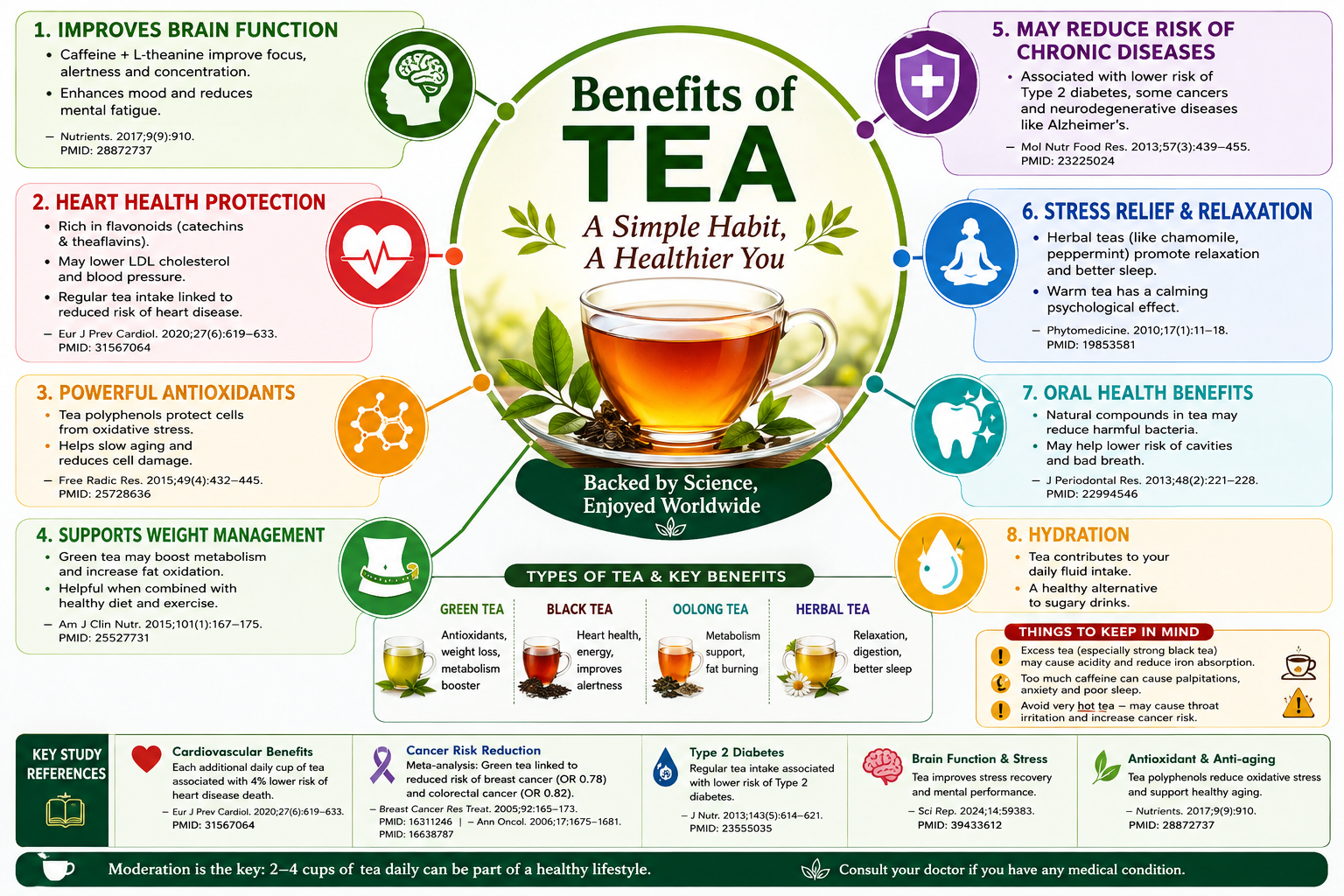
Tea isn’t just a comforting drink—it has several evidence-backed health benefits depending on the type (like green, black, or herbal). Here’s a clear, practical breakdown:
🌿 Key Benefits of Drinking Tea
🧠 1. Improves Brain Function
- Contains caffeine + L-theanine → better focus, alertness, and calm concentration
- Helps reduce mental fatigue without the jitteriness of coffee
❤️ 2. Heart Health Protection
- Rich in antioxidants (especially flavonoids)
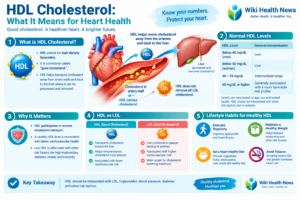
- May lower LDL cholesterol and blood pressure
- Regular intake linked to reduced risk of heart disease
🔥 3. Powerful Antioxidant Effects
- Tea is rich in polyphenols (like catechins in green tea)
- Helps fight oxidative stress → slows aging and reduces cell damage
⚖️ 4. Supports Weight Management
- Especially green tea → boosts metabolism slightly
- Helps fat oxidation when combined with exercise
🩺 5. May Reduce Risk of Chronic Diseases
- Linked with lower risk of:
- Type 2 diabetes
- Some cancers
- Neurodegenerative diseases (like Alzheimer’s)
😌 6. Stress Relief & Relaxation
- Herbal teas (like chamomile) promote relaxation and better sleep
- Warm tea itself has calming psychological effects
🦷 7. Oral Health Benefits
- Natural compounds may reduce bacterial growth
- Can help reduce risk of cavities and bad breath
💧 8. Hydration
- Tea contributes to daily fluid intake (despite mild caffeine)
⚠️ Things to Keep in Mind
- Excess tea (especially strong black tea) → acidity, iron absorption issues
- Too much caffeine → palpitations, poor sleep
- Avoid very hot tea (linked to throat irritation risk)
☕ Quick Comparison
| Tea Type | Key Benefit |
|---|---|
| Green Tea | Weight loss, antioxidants |
| Black Tea | Heart health, energy |
| Herbal Tea | Relaxation, digestion |
| Oolong Tea | Metabolism + fat burning |
Here are high-quality scientific study references (human studies, meta-analyses, and reviews) supporting the health benefits of tea:
📚 Key Scientific References on Tea Benefits
🧪 1. Large Reviews & Human Studies
- A comprehensive review in PMC (NIH database) shows that tea polyphenols (catechins, theaflavins) are linked to:
- Reduced cardiovascular disease
- Anti-diabetic effects
- Anti-aging and general health benefits (PMC)
❤️ 2. Cardiovascular Benefits
- A 2020 review found:
- Each daily cup of tea →
- ↓ 4% risk of heart disease death
- ↓ stroke risk and cardiac events (Healthline)
- Each daily cup of tea →
- Tea flavonoids help:
- Lower cholesterol
- Improve blood pressure
- Reduce vascular inflammation (Healthline)
🧬 3. Cancer Prevention Evidence (Meta-analyses)
- Breast cancer meta-analysis (13 studies):
- Green tea → ↓ risk (OR ~0.78) (PubMed)
- Colorectal cancer meta-analysis (25 studies):
- Green tea showed protective association (OR ~0.82) (PubMed)
- Prostate cancer meta-analysis:
- Green tea → possible protective effect (especially in Asians) (PubMed)
👉 Note: Evidence is moderate and inconsistent—not definitive.
🔬 4. Antioxidant & Metabolic Effects
- Tea contains polyphenols (catechins, theaflavins) that:
- Reduce oxidative stress
- Improve lipid profile and blood sugar (Healthline)
- Experimental and human data suggest:
- Anti-obesity
- Anti-inflammatory
- Gut microbiome benefits (Healthline)
🧠 5. Brain Function & Stress
- A 2024 study (Scientific Reports) showed:
- Tea consumption improves stress recovery and mental performance (Nature)
- Mechanism:
- L-theanine + caffeine synergy → improved focus + calmness
🧓 6. Aging & Longevity
- Epidemiological studies show:
- Tea intake associated with healthier aging and reduced hypertension (PMC)
⚠️ 7. Important Scientific Caveats
- Benefits depend on:
- Dose, type of tea, lifestyle
- Some studies show:
- No strong effect or conflicting results (especially cancer outcomes) (PubMed)
- Excess intake may cause:
- Toxicity (due to high polyphenols/caffeine) (PubMed)
🧾 Summary (Evidence-Based)
✔ Strong evidence:
- Antioxidant effects
- Cardiovascular benefits
✔ Moderate evidence:
- Diabetes, brain health, aging
✔ Weak/variable evidence:
- Cancer prevention
Yes. For the Tea Benefits infographic/article, I recommend adding internal links to relevant Wiki Health News articles rather than generic homepage links. I found these published pages on your site:
🔗 Recommended Wiki Health News links
| Infographic/Article section | Suggested anchor text | Internal link |
|---|---|---|
| ❤️ Heart health | Healthy Heart in Everyday Living | Healthy Heart in Everyday Living |
| 🩺 Blood pressure | DASH Diet for Blood Pressure Control | DASH Diet: Controls Blood Pressure |
| 🥗 Diet & antioxidants | Vitamin C Rich Foods and Healthy Diet | Vitamin C Rich Foods |
| ❤️ Cholesterol | Good Cholesterol and Heart Health | Good Cholesterol |
| 🫀 Heart disease prevention | Risk Factors of Heart Attack | Risk Factors of Heart Attack |
| 🥗 Overall nutrition | Mediterranean Diet for Heart Health | Mediterranean Diet for Heart Health |
These topics fit naturally with the tea article because Wiki Health News already has dedicated content covering heart health, blood pressure, cholesterol and dietary patterns. (wiki Health News)
📚 Scientific references to place below the infographic
- Chung M, Zhao N, Wang D, et al. Dose–Response Relation Between Tea Consumption and Risk of Cardiovascular Disease and All-Cause Mortality. Advances in Nutrition. 2020;11(4):790–814. (PubMed Central (PMC))
- Wightman EL, et al. Tea Intake and Cardiovascular Disease: An Umbrella Review. Advances in Nutrition. 2021. (PubMed Central (PMC))
- Vita JA, et al. Tea and Cardiovascular Disease. Pharmacology & Therapeutics. 2011. (PubMed Central (PMC))
- Liu W, Wan C, Huang Y, Li M. Effects of Tea Consumption on Metabolic Syndrome: A Systematic Review and Meta-analysis of Randomized Clinical Trials. Phytotherapy Research. 2020;34(11):2857–2866. (PubMed)
- Wang J, et al. Tea Consumption and Risk of Cancer: An Umbrella Review and Meta-analysis of Observational Studies. 2020. (PubMed)
Important editorial correction: I would avoid stating that tea prevents cancer or guarantees weight loss. The evidence is stronger for associations with cardiovascular health and some risk factors, while cancer and weight-management evidence is more variable. (PubMed Central (PMC))
For SEO, a good placement in the article would be:
Tea and Heart Health: Regular tea consumption has been associated with cardiovascular benefits. For more practical lifestyle strategies, read [Healthy Heart in Everyday Living] and [DASH Diet: Controls Blood Pressure].