Smart Ring in Clinical Medicine
Smart Ring in Clinical Medicine: Applications, Benefits, Limitations and Future Potential
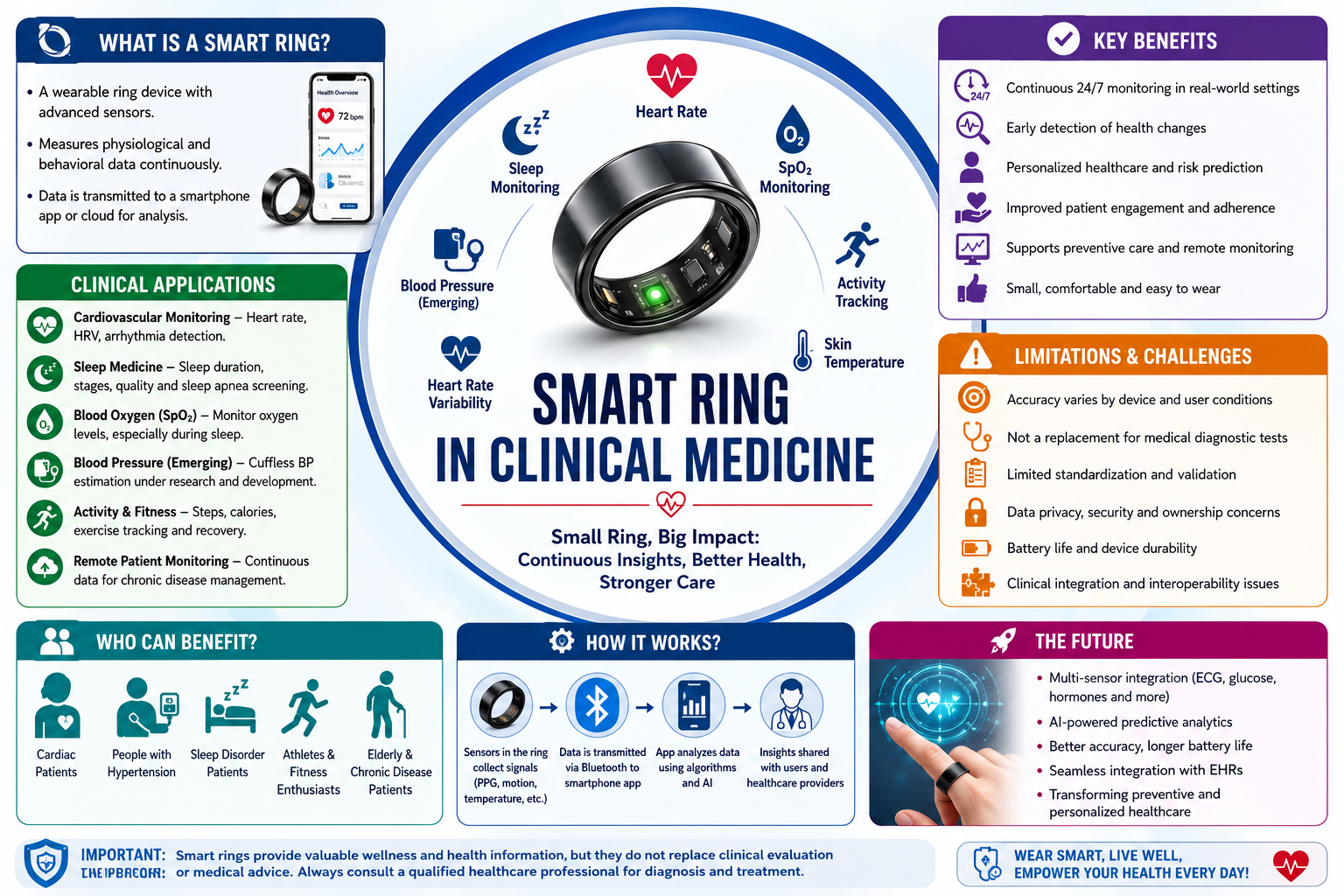
Smart rings are emerging as an important category of wearable health technology, offering continuous, unobtrusive monitoring of physiological parameters such as heart rate, heart-rate variability (HRV), sleep, activity, respiratory rate and, in some devices, blood oxygen saturation and other signals. Their small size and finger-based sensor placement make them particularly attractive for long-term monitoring in clinical medicine.
Unlike conventional clinical measurements that provide information at a single point in time, wearable devices can generate longitudinal physiological data. This creates opportunities for remote patient monitoring, preventive cardiology, sleep medicine, rehabilitation and personalized healthcare.
What Is a Smart Ring?
A smart ring is a finger-worn electronic device containing miniature sensors, processors and wireless communication technology. Many devices use photoplethysmography (PPG), which detects changes in blood volume through optical sensors. Accelerometers and temperature sensors may provide additional information.
The finger is an attractive location for PPG because it has a relatively rich vascular supply and allows consistent sensor contact. A 2025 systematic review of 107 studies involving approximately 100,000 participants found strong performance for several measurements, including heart rate and HRV, although substantial limitations in study quality and algorithm transparency remain. (PubMed Central (PMC))
1. Heart Rate Monitoring
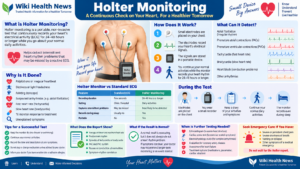
Continuous heart-rate monitoring is one of the most established potential clinical applications of smart rings. Instead of measuring pulse only during a clinic visit, a ring can collect repeated measurements during daily activities and sleep.
This may help clinicians identify resting-heart-rate trends, exercise responses and changes in autonomic function. Smart-ring studies have reported very high correlation between ring-derived heart rate and reference measurements, although accuracy can vary according to device, activity level and patient characteristics. (PubMed Central (PMC))
2. Heart-Rate Variability
Heart-rate variability reflects variation in the interval between consecutive heartbeats and provides information about autonomic nervous-system activity.
Smart rings can potentially monitor HRV longitudinally, making them useful for research into stress, recovery, sleep and autonomic function. However, HRV should be interpreted in clinical context rather than used as an isolated diagnostic test.
3. Arrhythmia and Cardiovascular Monitoring
Continuous wearable monitoring may eventually contribute to earlier identification of abnormal cardiac rhythms. Some research involving smart rings has explored arrhythmia detection and rhythm-related physiological changes.
However, clinicians must distinguish screening or signal detection from definitive diagnosis. A consumer smart ring should not automatically be considered equivalent to a diagnostic ECG or ambulatory medical monitor.
The American Heart Association has emphasized the growing importance of interoperability between wearable devices, remote monitors and clinical systems so that useful patient-generated health data can be integrated appropriately into cardiovascular care. (American Heart Association Professional)
4. Sleep Medicine
Sleep monitoring is currently one of the most promising applications of smart rings.
Rings can estimate sleep duration, sleep timing, nighttime heart rate, movement and other physiological variables. Research has demonstrated relatively strong performance for sleep detection, although sleep-stage classification remains less reliable than gold-standard polysomnography. (PubMed Central (PMC))
Smart rings may therefore be useful for identifying sleep patterns and encouraging further evaluation, but they should not replace formal sleep studies when a definitive diagnosis is required.
5. Sleep Apnea Assessment
Some smart rings incorporate oxygen-saturation monitoring and can potentially identify patterns suggestive of sleep-disordered breathing.
This could support screening and longitudinal monitoring, particularly when combined with symptoms such as loud snoring, witnessed apneas and excessive daytime sleepiness. Nevertheless, suspected obstructive sleep apnea generally requires appropriate clinical assessment and, when indicated, diagnostic sleep testing.
6. Blood Oxygen Monitoring
Some ring-based devices estimate SpO₂ using optical sensors. This could potentially provide additional information during sleep or illness.
However, oxygen saturation readings from consumer wearables should not automatically be treated as equivalent to measurements from clinically validated medical devices. The FDA notes that pulse-oximetry readings have limitations and should be interpreted alongside symptoms and clinical circumstances. (U.S. Food and Drug Administration)
7. Blood Pressure: Promising but Not Yet Routine
Cuffless blood-pressure monitoring is an important area of wearable research. Some smart rings attempt to estimate blood pressure using optical and physiological signals.
However, the American Heart Association has emphasized that many cuffless wearable technologies have not yet demonstrated sufficient accuracy and reliability for diagnosis or treatment decisions in routine clinical practice. Standardized validation and real-world testing remain necessary. (American Heart Association)
Therefore, a smart-ring blood-pressure reading should not be used independently to diagnose hypertension or adjust antihypertensive medication unless the specific technology has appropriate regulatory authorization and clinical validation.
8. Physical Activity and Cardiac Rehabilitation
Smart rings can monitor movement, activity and daily behavioral patterns. This may be useful in lifestyle modification and rehabilitation programs.
Digital health technologies can help patients with cardiovascular disease increase physical activity and support participation in cardiac rehabilitation. A 2026 review reported that wearable trackers and smartphone-based interventions increased daily activity among people with cardiovascular disease, although longer-term evidence is still needed. (American Heart Association)
9. Remote Patient Monitoring
The greatest clinical potential of smart rings may be continuous remote monitoring.
Instead of relying entirely on occasional clinic measurements, clinicians could potentially monitor trends in heart rate, sleep, activity and other physiological parameters. Future systems may combine these data with electronic health records, laboratory results and artificial intelligence to identify clinically meaningful changes.
10. Limitations and Clinical Challenges
Smart rings should currently be viewed as adjunctive digital-health tools rather than replacements for established diagnostic tests.
Important limitations include:
- Differences between manufacturers and algorithms
- Proprietary algorithms and limited transparency
- Variable accuracy during movement
- Limited evidence in some patient populations
- Potential skin and sensor-contact problems
- Data privacy and cybersecurity concerns
- Battery and adherence issues
- Lack of universal interoperability with electronic health records
- Risk of false alarms and unnecessary investigations
The recent systematic review found that 65% of included studies had moderate-to-high risk of bias, while proprietary algorithms were common. Long-term adherence also declined in some studies. (PubMed)
Future of Smart Rings in Clinical Medicine
The next generation of smart rings may incorporate multimodal sensing, improved AI algorithms, continuous biochemical monitoring and better integration with clinical information systems.
Potential applications include early detection of physiological deterioration, personalized cardiovascular prevention, sleep-disorder screening, postoperative monitoring and chronic-disease management.
For clinicians, the key question will not simply be whether a ring can measure a physiological parameter, but whether the measurement is accurate, clinically validated, actionable and capable of improving patient outcomes.
Conclusion
Smart rings represent a promising development in digital medicine. Their ability to collect continuous physiological data in a small and relatively unobtrusive form could transform remote monitoring, preventive cardiology, sleep medicine and personalized healthcare.
However, clinical adoption should be evidence-based. Smart-ring measurements should complement—not replace—clinical examination, validated diagnostic testing and professional medical judgment. As validation, interoperability and regulatory frameworks improve, smart rings may become an increasingly useful component of modern clinical medicine.
For additional patient-friendly health information, explore Wiki Health News.
References
- Gong EJ, Bang CS, Lee JJ, Baik GH. Smart Ring in Clinical Medicine: A Systematic Review. Biomimetics. 2025;10(12):819. (PubMed Central (PMC))
- American Heart Association. Data Interoperability for Ambulatory Monitoring of Cardiovascular Disease. 2024. (American Heart Association Professional)
- American Heart Association. Cuffless Devices for the Measurement of Blood Pressure. 2025. (American Heart Association)
- U.S. Food and Drug Administration. Pulse Oximeters. (U.S. Food and Drug Administration)
- American Heart Association. Digital Technologies in Cardiac Rehabilitation. (American Heart Association Professional)
Yes. For the “Smart Ring in Clinical Medicine” article, I recommend adding these internal links to Wiki Health News. I verified these pages on your site. (wiki Health News)
Recommended Internal Links
| Article section | Anchor text | Internal link |
|---|---|---|
| Heart-rate monitoring | Maximum Heart Rate (MHR) Calculator | Maximum Heart Rate (MHR) Calculator |
| Cardiovascular monitoring | Healthy Heart in Everyday Living | Healthy Heart in Everyday Living |
| Heart disease | Risk Factors of Heart Attack | Risk Factors of Heart Attack |
| Diet & obesity | Heart-Healthy Diet Tips | Heart-Healthy Diet Tips for Heart Health |
| Sleep monitoring | Science of Sleep Cycles | Science of Sleep Cycles |
| Sleep apnea | Sleep Health | Wiki Health News Sleep Category |
| Blood pressure | Hypertension Prevention | Hypertension Prevention |
| Blood pressure/diet | DASH Diet | DASH Diet for Blood Pressure Control |
| Diabetes monitoring | Diabetes Health Screening | Diabetes Health Screening: What Are the Tests? |
| Cholesterol/cardiovascular risk | Good Cholesterol (HDL) | Good Cholesterol (HDL) |
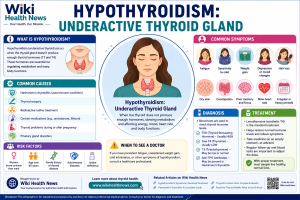
| Thyroid/metabolic factors | Hypothyroidism: Underactive Thyroid Gland | Hypothyroidism: Underactive Thyroid Gland |
Heart Rate Monitoring:
“Continuous heart-rate monitoring can help users understand resting and exercise-related heart-rate patterns. Readers can also use the Maximum Heart Rate (MHR) Calculator to understand exercise heart-rate zones.”
Sleep Medicine:
“Smart rings are increasingly used for monitoring sleep duration and nighttime physiological patterns. Learn more about Science of Sleep Cycles.”
Cardiovascular Monitoring:
“Wearable monitoring may become increasingly important in cardiovascular prevention. See our guide to Risk Factors of Heart Attack.”
Lifestyle & Rehabilitation:
“Wearable activity tracking can support exercise and lifestyle modification. Our guide to Healthy Heart in Everyday Living provides practical heart-health recommendations.”
Blood Pressure:
“Although cuffless blood-pressure monitoring is promising, validated clinical measurements remain important. Read more about Hypertension Prevention and the DASH Diet.”
Diabetes & Metabolic Health:
“Because obesity and insulin resistance are major cardiovascular risk factors, regular metabolic screening is important. See Diabetes Health Screening: What Are the Tests?”
This gives the article 10–12 relevant internal links, rather than excessive linking, and creates a strong topical cluster around wearables → heart health → sleep → hypertension → diabetes → lifestyle. Wiki Health News currently has dedicated categories covering cardiology, blood pressure, diabetes, diet, exercise and sleep, which makes this internal-link structure particularly suitable. (wiki Health News)
Smart Ring in Clinical Medicine: 30 Key Points
- Smart rings are wearable digital-health devices designed to collect physiological and behavioral data continuously.
- Most smart rings use photoplethysmography (PPG) to detect changes in blood volume.
- Accelerometers and gyroscopes can measure movement and physical activity.
- Some devices incorporate skin-temperature sensors.
- Selected smart rings can estimate blood oxygen saturation (SpO₂).
- Heart-rate monitoring is one of the most extensively studied applications.
- Smart rings can also measure or estimate heart-rate variability (HRV).
- Finger-based sensing can provide high-quality optical signals under suitable conditions.
- A 2025 systematic review identified 107 studies involving approximately 100,000 participants evaluating smart rings in clinical applications. (PubMed Central (PMC))
- Research has covered both sleep-related and non-sleep clinical applications.
- Sleep monitoring is currently one of the most established applications.
- Smart rings can estimate sleep duration, sleep timing and nighttime physiological parameters.
- They may help identify abnormal sleep patterns that warrant further medical assessment.
- Smart rings may contribute to obstructive sleep apnea screening, particularly when oxygen and pulse signals are available.
- However, consumer smart rings should not automatically replace polysomnography, the diagnostic reference standard for sleep apnea. (ClinicalTrials)
- Smart rings may support cardiovascular risk monitoring by providing longitudinal heart-rate data.
- HRV measurements may provide information about autonomic nervous-system activity.
- Smart rings are being investigated for arrhythmia detection and cardiac rhythm monitoring.
- Some research has explored cuffless blood-pressure estimation using ring-based sensors.
- Blood-pressure estimates from consumer wearables should not be used alone to diagnose hypertension or modify treatment without appropriate validation.
- Smart rings may assist in physical-activity monitoring and lifestyle modification.
- Continuous activity data may be useful in cardiac rehabilitation and chronic-disease management.
- Smart rings can potentially provide information useful for remote patient monitoring.
- Longitudinal data may identify physiological changes that are difficult to detect during occasional clinic visits.
- Research is exploring smart rings for infectious-disease and inflammatory-condition prediction.
- Smart-ring data may eventually contribute to personalized medicine and AI-assisted clinical decision support.
- Important limitations include proprietary algorithms, variable accuracy and differences between manufacturers.
- Data privacy, cybersecurity and integration with electronic health records remain important challenges.
- Current evidence is promising, but a 2025 systematic review found that 65% of included studies had moderate-to-high risk of bias, highlighting the need for stronger validation. (PubMed Central (PMC))
- Smart rings should currently be regarded primarily as adjunctive monitoring tools, not replacements for clinical examination or validated diagnostic investigations.
30 FAQs About Smart Rings in Clinical Medicine
1. What is a smart ring?
A smart ring is a small wearable electronic device worn on the finger that uses sensors to monitor physiological and behavioral parameters such as heart rate, sleep, movement and, in some devices, SpO₂.
2. How does a smart ring measure heart rate?
Most smart rings use photoplethysmography (PPG). Optical sensors detect changes in blood volume in the finger with each heartbeat.
3. Are smart rings accurate for heart-rate monitoring?
Research suggests that some smart rings can provide highly accurate heart-rate measurements under controlled conditions. A recent systematic review found very strong agreement with reference measurements, although performance varies by device and circumstances. (PubMed Central (PMC))
4. Can a smart ring detect arrhythmias?
Some research systems have demonstrated potential for arrhythmia detection. However, detection capability depends on the specific device and algorithm, and an abnormal wearable reading generally requires confirmation using appropriate clinical ECG testing.
5. Can a smart ring detect atrial fibrillation?
Some wearable technologies are being studied for atrial-fibrillation detection. Whether a particular smart ring can perform this function depends on its sensors, software and regulatory authorization.
6. Can smart rings measure HRV?
Yes. Many smart rings estimate heart-rate variability, particularly during periods of rest and sleep.
7. What does HRV tell doctors?
HRV reflects variation in beat-to-beat intervals and can provide information about autonomic regulation. It is a physiological marker rather than a standalone diagnostic test.
8. Can smart rings monitor blood pressure?
Some smart rings are being developed or studied for cuffless blood-pressure estimation. However, accuracy and clinical validation vary considerably, so conventional validated blood-pressure measurement remains important.
9. Can a smart ring diagnose hypertension?
A consumer smart ring should not independently diagnose hypertension unless the specific device has appropriate clinical validation and regulatory authorization for that purpose.
10. Can smart rings measure oxygen saturation?
Some smart rings use optical sensors to estimate SpO₂. Performance can vary depending on device design, sensor contact, circulation, movement and other factors.
11. Can a smart ring diagnose low oxygen levels?
It may identify abnormal oxygen-saturation trends, but unexpected or clinically important readings should be confirmed with an appropriate medical device and interpreted alongside symptoms.
12. Can smart rings detect sleep apnea?
They may identify physiological patterns suggestive of sleep-disordered breathing, particularly through overnight oxygen and pulse measurements. However, diagnostic confirmation may require formal sleep testing. (ClinicalTrials)
13. Are smart rings better than smartwatches for sleep tracking?
Not necessarily. Both technologies have advantages and limitations. Smart rings can be comfortable for overnight use and avoid a watch on the wrist, but accuracy depends on the specific device and algorithm.
14. Can smart rings accurately measure sleep stages?
They can estimate sleep stages, but consumer wearable estimates should not be considered equivalent to polysomnography. Sleep-stage classification remains more challenging than simply detecting sleep versus wake.
15. Can smart rings monitor body temperature?
Some devices contain temperature sensors and can track changes in skin temperature. This is generally different from measuring core body temperature.
16. Can smart rings detect illness before symptoms appear?
Research is investigating whether changes in physiological signals can provide early warning of certain illnesses. A 2025 systematic review reported promising findings, but these predictive applications require further independent validation before routine clinical use. (PubMed)
17. Can smart rings help patients with heart disease?
Potentially. Continuous monitoring of heart rate, activity, sleep and other parameters may support lifestyle management and remote monitoring, but the clinical usefulness depends on the patient’s condition and the specific device.
18. Can smart rings be used in cardiac rehabilitation?
They may help track daily activity, exercise patterns and recovery-related measures. They could complement—but not replace—supervised cardiac rehabilitation.
19. Can smart rings help monitor diabetes?
They do not directly replace blood-glucose monitoring. However, activity, sleep and other physiological data may provide useful information for lifestyle and metabolic-health management.
20. Can smart rings monitor stress?
Some devices use HRV and other physiological signals to generate stress or recovery estimates. These should be regarded as indicators, not definitive diagnoses of psychological disorders.
21. Can smart rings help in obesity management?
Yes, potentially. Activity, sleep and behavioral tracking may support weight-management programs, although smart-ring data alone does not treat obesity.
22. Are smart rings useful for elderly patients?
Potentially, particularly for longitudinal monitoring of activity, sleep and physiological trends. However, usability, skin contact, dexterity, technology familiarity and clinical integration need to be considered.
23. Can smart rings be used for remote patient monitoring?
This is an important emerging application. Continuous physiological data could potentially be transmitted to healthcare systems for selected patients.
24. Can smart-ring data be integrated into electronic health records?
Integration is technically possible in some healthcare ecosystems, but interoperability is not universal. Data standards, privacy, cybersecurity and clinical workflow integration remain challenges.
25. Are smart rings medical devices?
Not necessarily. Some products are marketed primarily as consumer wellness devices, while others may have specific medical or diagnostic claims. Regulatory status must be assessed for the individual device.
26. What are the major limitations of smart rings?
Important limitations include algorithmic variability, proprietary technology, sensor artifacts, limited validation in diverse populations, false positives, false negatives, privacy concerns and adherence problems.
27. Can doctors rely on smart-ring readings?
Doctors can consider wearable information as supporting information, particularly when evaluating trends. Important clinical decisions should generally rely on validated diagnostic measurements and the patient’s overall clinical picture.
28. Are smart rings safe?
They are generally designed for prolonged skin contact, but individual users can experience irritation, discomfort or other problems. Electronic devices should also be used according to manufacturer instructions.
29. What is the future of smart rings in medicine?
Future applications may include multimodal monitoring, AI-based risk prediction, chronic-disease management, postoperative monitoring, sleep medicine, cardiovascular prevention and personalized healthcare.
30. Will smart rings replace traditional medical tests?
No—not currently. Smart rings are best viewed as complementary monitoring technologies. ECGs, ambulatory monitors, validated blood-pressure devices, pulse oximeters, polysomnography and laboratory tests remain important when clinically indicated.
Clinical Take-Home Message
Smart rings are moving from wellness technology toward clinically relevant continuous monitoring. Evidence is strongest for parameters such as heart rate, HRV and sleep-related measurements, while applications such as blood-pressure estimation, arrhythmia detection and disease prediction remain areas of active research. The major challenge is converting large volumes of wearable data into validated, actionable clinical information without creating unnecessary alarms or replacing established diagnostic testing. (PubMed Central (PMC))