Lifestyle and Fertility in Women
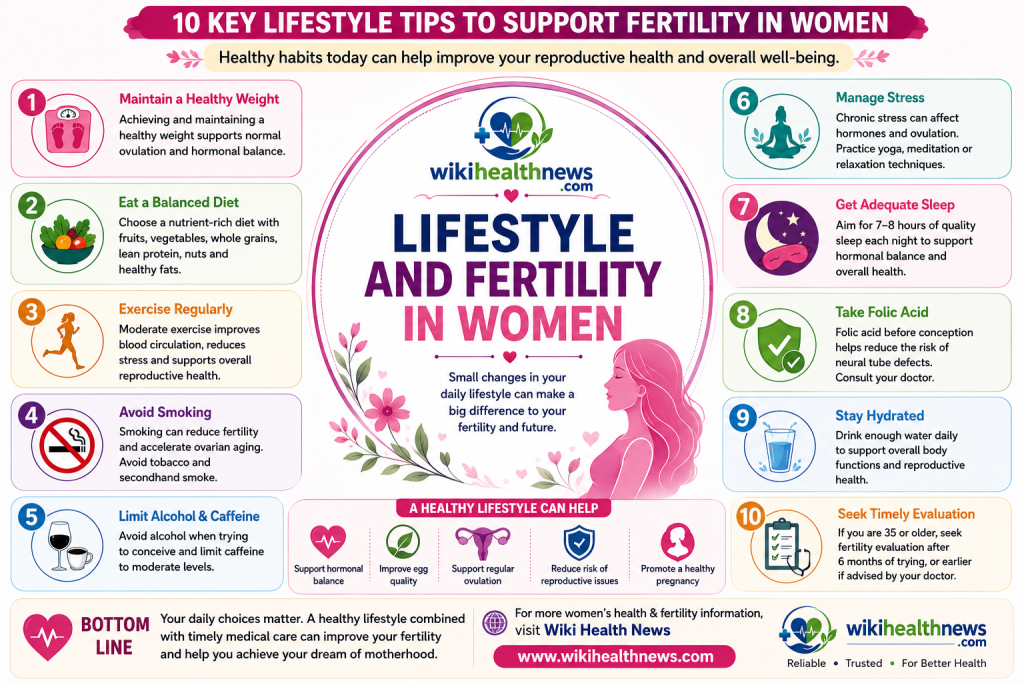
30 FAQs: Lifestyle and Fertility in Women
1. Can lifestyle affect female fertility?
Yes. Lifestyle factors such as smoking, excessive alcohol use, obesity, being underweight, poor nutrition, physical inactivity and certain environmental exposures can affect reproductive health.
2. Can a healthy lifestyle prevent age-related fertility decline?
No. A healthy lifestyle supports reproductive health but cannot stop the natural decline in egg number and quality associated with aging.
3. Does maintaining a healthy weight improve fertility?
Yes. Both obesity and being significantly underweight can interfere with ovulation and menstrual regularity. Achieving a healthy weight may improve reproductive function in some women.
4. Can exercise improve fertility?
Regular moderate physical activity supports cardiovascular and metabolic health and may benefit fertility. Extremely intense exercise, particularly when combined with inadequate calorie intake, can disrupt ovulation.
5. How much exercise is recommended when trying to conceive?
Most women can aim for regular moderate activity, such as brisk walking, swimming or cycling, while avoiding excessive training that causes menstrual disturbances.
6. Does smoking reduce fertility?
Yes. Tobacco exposure is associated with reduced fertility and accelerated ovarian aging. Smoking cessation is one of the most important lifestyle changes for women planning pregnancy.
7. Can secondhand smoke affect fertility?
Chronic exposure to tobacco smoke may negatively affect reproductive health. Avoiding both active smoking and significant secondhand exposure is advisable.
8. Does alcohol affect female fertility?
Higher alcohol consumption may negatively affect fertility and pregnancy outcomes. Women trying to conceive should discuss alcohol use with their healthcare professional and avoid alcohol once pregnant.
9. Is caffeine safe when trying to conceive?
Moderate caffeine intake is generally considered reasonable, but high consumption may be undesirable. During pregnancy, commonly recommended limits are around 200 mg of caffeine per day.
10. Can a balanced diet improve fertility?
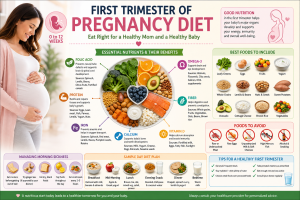
A nutrient-rich diet supports overall and reproductive health. Vegetables, fruits, whole grains, legumes, nuts, seeds, lean protein and healthy fats can form part of a balanced fertility-friendly diet.
11. Is there a specific fertility diet?
There is no single diet proven to overcome age-related infertility. A Mediterranean-style dietary pattern is often associated with favorable overall health and may be a reasonable approach.
12. Can eating fruits and vegetables help fertility?
A diet rich in fruits and vegetables provides folate, vitamins, minerals, fiber and antioxidant compounds that support general health.
13. Are antioxidants beneficial for fertility?
Antioxidants are involved in protecting cells from oxidative stress. However, evidence that antioxidant supplements improve natural fertility is inconsistent, and routine high-dose supplementation should not be assumed to help.
14. Should women take fertility supplements after age 35?
Not automatically. Supplement use should be individualized. Women planning pregnancy should generally take folic acid as recommended for preconception care.
15. Does folic acid improve fertility?
Folic acid is essential before and during early pregnancy because it reduces the risk of neural-tube defects. It should not be considered a treatment that reverses age-related infertility.
16. Can stress cause infertility?
Severe or chronic stress can affect sleep, eating behavior, sexual activity and, in some women, menstrual function. However, infertility should not be attributed simply to stress.
17. Can reducing stress improve fertility?
Stress management can improve overall well-being and may support healthy behaviors. Useful approaches include exercise, relaxation techniques, adequate sleep, counseling and social support.
18. Does sleep affect fertility?
Adequate, regular sleep supports hormonal, metabolic and general health. Persistent sleep problems should be discussed with a healthcare professional.
19. Can lack of sleep cause infertility?
Poor sleep alone is not established as a direct cause of infertility, but chronic sleep disruption may affect metabolic and hormonal health.
20. Does alcohol-free living improve fertility?
Avoiding alcohol eliminates alcohol-related reproductive and pregnancy risks and is particularly important once pregnancy occurs.
21. Can obesity affect egg quality?
Obesity may be associated with impaired reproductive function and may affect fertility treatment outcomes. Weight management can be beneficial for overall health and pregnancy planning.
22. Can being underweight affect fertility?
Yes. Insufficient energy availability and very low body weight can disrupt reproductive hormones and ovulation.
23. Does a healthy diet improve egg quality?
A healthy diet supports overall cellular and metabolic health, but there is no diet proven to reverse age-related decline in egg quality.
24. Can drinking more water improve fertility?
Adequate hydration supports normal body function, but there is no evidence that drinking excessive amounts of water directly increases fertility.
25. Can yoga improve fertility?
Yoga may help flexibility, physical activity and stress management. However, it has not been proven to reverse ovarian aging or directly increase fertility.
26. Can environmental toxins affect fertility?
Some chemicals and pollutants may affect reproductive health. Reasonable precautions include avoiding tobacco smoke, unnecessary exposure to toxic chemicals and following workplace safety recommendations.
27. Does delaying pregnancy affect fertility?
Yes. Female fertility naturally declines with age, largely because ovarian reserve decreases and chromosomal abnormalities in eggs become more common.
28. Can lifestyle changes make pregnancy possible after 40?
Healthy lifestyle changes can optimize general and reproductive health, but they cannot eliminate age-related fertility decline. Women over 40 who want pregnancy should consider timely fertility evaluation rather than relying on lifestyle changes alone.
29. When should lifestyle changes be combined with fertility evaluation?
Women aged 35 or older generally should seek evaluation after 6 months of unsuccessful attempts, while women over 40 may benefit from earlier assessment. Evaluation may also be appropriate sooner when periods are irregular or there is suspected endometriosis, tubal disease or another fertility concern.
30. What is the most important lifestyle advice for women planning pregnancy?
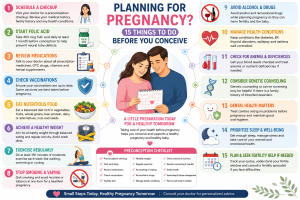
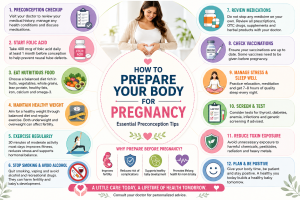
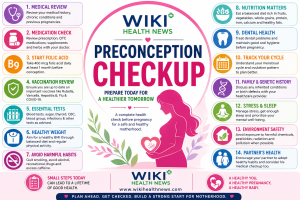
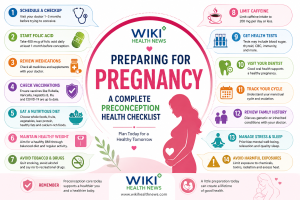
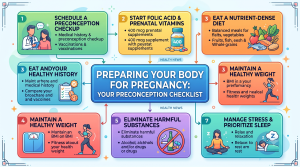
Maintain a healthy weight, eat a balanced diet, exercise regularly, avoid smoking, limit or avoid alcohol, obtain appropriate folic acid, manage chronic conditions and get adequate sleep. Most importantly, do not delay fertility evaluation solely because of lifestyle changes when age or other risk factors are present.
Key message: Lifestyle can optimize reproductive health, but it cannot completely prevent age-related changes in ovarian reserve and egg quality. Timely preconception counseling and fertility evaluation are particularly important as maternal age increases.
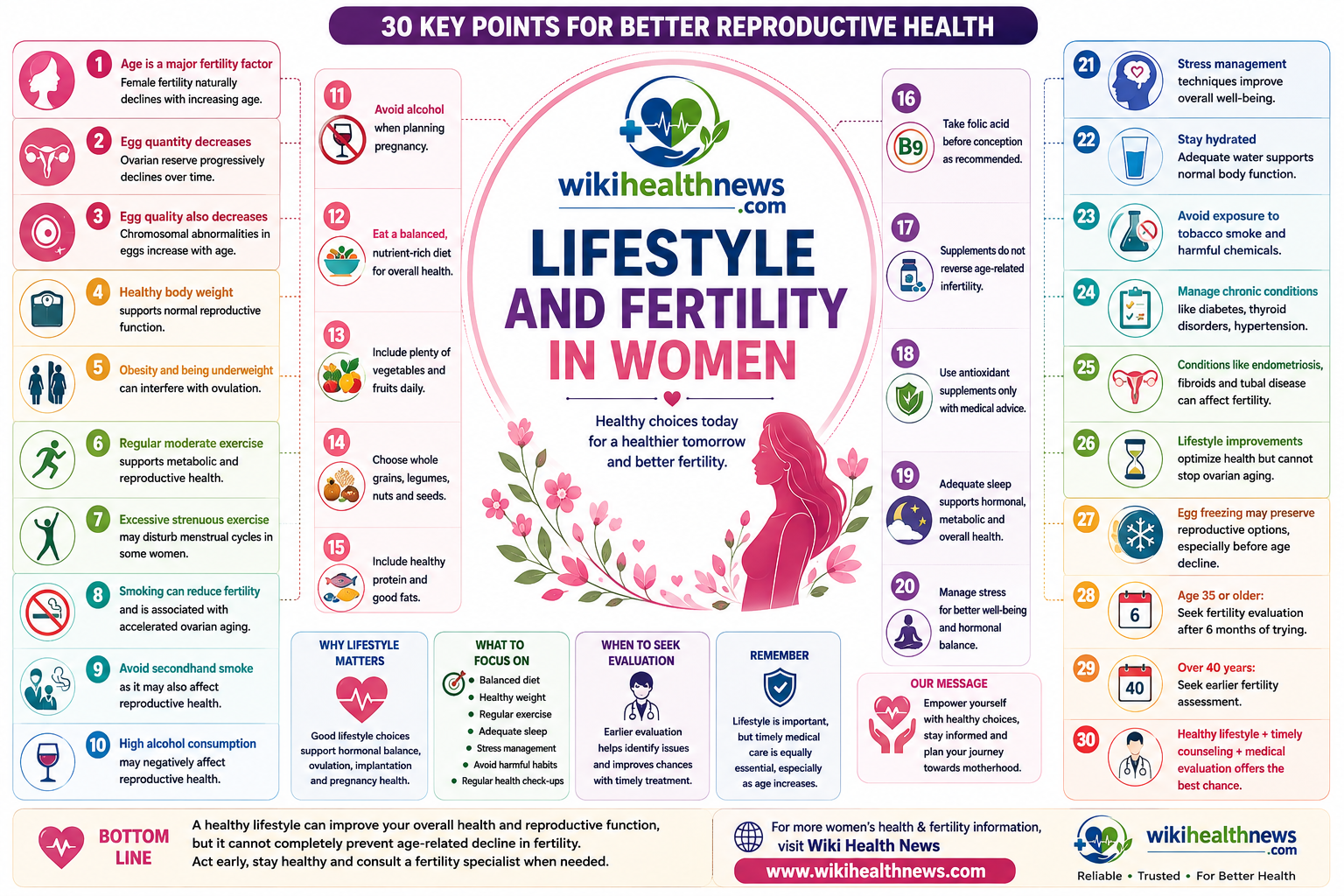
30 Key Points: Lifestyle and Fertility in Women
- Age is a major fertility factor — female fertility naturally declines with increasing age.
- Egg quantity decreases as ovarian reserve progressively declines.
- Egg quality also decreases with age, particularly after the mid-30s.
- Healthy body weight supports normal reproductive function.
- Both obesity and being underweight can interfere with ovulation.
- Regular moderate exercise supports metabolic and reproductive health.
- Excessive strenuous exercise may disturb menstrual cycles in some women.
- Smoking can reduce fertility and is associated with accelerated ovarian aging.
- Avoiding secondhand smoke is also advisable.
- High alcohol consumption may negatively affect reproductive health.
- Women planning pregnancy should consider avoiding alcohol.
- A balanced, nutrient-rich diet supports overall reproductive health.
- Include plenty of vegetables and fruits for vitamins, minerals and fiber.
- Whole grains, legumes, nuts and seeds can provide important nutrients.
- Healthy sources of protein and unsaturated fats can be part of a balanced diet.
- Folic acid before conception is important for reducing neural-tube defects.
- Fertility supplements should not be assumed to reverse age-related infertility.
- High-dose antioxidant supplements should be used only with appropriate medical advice.
- Adequate sleep supports hormonal, metabolic and overall health.
- Chronic stress can affect sleep, lifestyle behaviors and menstrual function.
- Stress-management techniques can improve overall well-being.
- Adequate hydration supports normal physiological function but does not directly increase fertility.
- Avoid unnecessary exposure to tobacco smoke and potentially harmful chemicals.
- Manage chronic conditions such as diabetes, thyroid disorders and hypertension before pregnancy.
- Endometriosis, fibroids and tubal disease can affect fertility and may require evaluation.
- Lifestyle improvements can optimize health but cannot stop ovarian aging.
- Egg freezing may be considered by some women who wish to preserve reproductive options, particularly before significant age-related decline.
- Women aged 35 or older should generally seek fertility evaluation after 6 months of trying without pregnancy.
- Women over 40 may benefit from earlier fertility assessment rather than delaying evaluation.
- Healthy lifestyle + timely fertility counseling + appropriate medical evaluation offers the best approach to age-related fertility concerns.