Health Risks in Women and Common Diseases: A Complete Guide to Prevention and Wellness
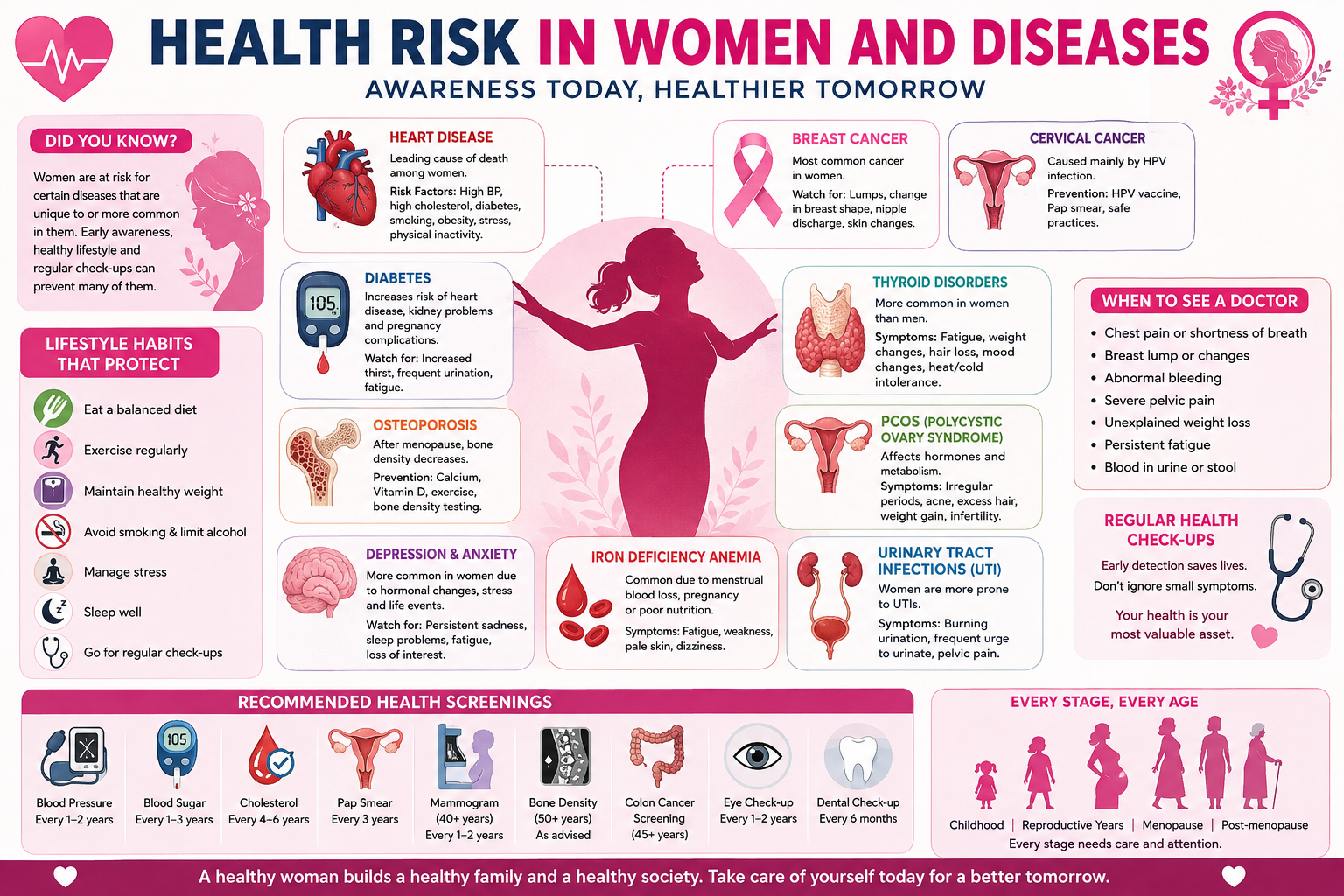
Health Risks in Women and Common Diseases: A Complete Guide to Prevention and Wellness
Focus Keyword: Health Risks in Women
Meta Title: Health Risks in Women: Common Diseases, Symptoms & Prevention
Meta Description: Learn about the most common health risks in women, including heart disease, diabetes, osteoporosis, breast cancer, PCOS, thyroid disorders, and preventive health tips for every stage of life.
Health Risks in Women and Common Diseases
Women’s health changes throughout life due to hormonal fluctuations, pregnancy, menopause, genetics, and lifestyle. While women generally live longer than men, they are at greater risk for several chronic diseases that can significantly impact quality of life. Understanding these health risks helps women recognize early symptoms and adopt preventive measures before complications develop.
Maintaining a balanced lifestyle, regular health screenings, and timely medical consultations are essential for preventing many diseases. This guide discusses the major health risks affecting women and practical ways to stay healthy.
1. Heart Disease
Heart disease is the leading cause of death among women worldwide. Many women experience symptoms different from men, making diagnosis more challenging.
Risk Factors
- High blood pressure
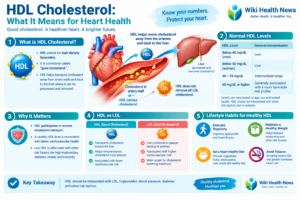
- High cholesterol
- Diabetes
- Smoking
- Obesity
- Family history
- Physical inactivity
- Stress
Symptoms
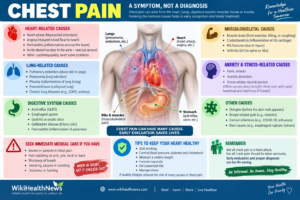
- Chest discomfort
- Shortness of breath
- Fatigue
- Pain in the jaw, neck, shoulder, or back
- Nausea
- Dizziness
Prevention
- Exercise at least 150 minutes weekly.
- Eat a heart-healthy diet.
- Control blood pressure and cholesterol.
- Avoid tobacco.
- Manage stress.
2. Breast Cancer
Breast cancer is one of the most commonly diagnosed cancers among women.
Risk Factors
- Increasing age
- Family history
- BRCA gene mutations
- Obesity
- Alcohol consumption
- Late menopause
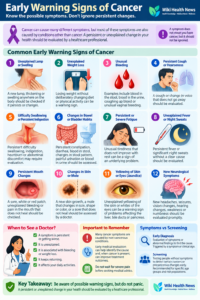
Warning Signs
- Breast lump
- Change in breast shape
- Nipple discharge
- Skin dimpling
- Persistent breast pain
Prevention
- Monthly breast self-examinations
- Clinical breast examination
- Mammography as recommended
- Maintain healthy body weight
- Exercise regularly
3. Cervical Cancer
Most cervical cancers are caused by persistent infection with the Human Papillomavirus (HPV).
Symptoms
- Abnormal vaginal bleeding
- Pelvic pain
- Pain during intercourse
- Unusual vaginal discharge
Prevention
- HPV vaccination
- Routine Pap smear
- HPV testing
- Safe sexual practices
4. Diabetes
Women with diabetes have an increased risk of heart disease, kidney disease, nerve damage, and pregnancy complications.
Symptoms
- Increased thirst
- Frequent urination
- Blurred vision
- Weight changes
- Fatigue
Prevention
- Healthy eating
- Regular exercise
- Weight management
- Blood sugar monitoring
5. Osteoporosis
Women lose bone density rapidly after menopause due to declining estrogen levels.
Risk Factors
- Menopause
- Low calcium intake
- Vitamin D deficiency
- Smoking
- Sedentary lifestyle
Symptoms
Often silent until fractures occur.
Prevention
- Calcium-rich foods
- Vitamin D supplementation
- Weight-bearing exercise
- Bone density testing after menopause
6. Thyroid Disorders
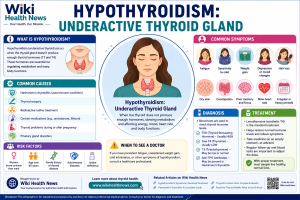
Women are much more likely than men to develop thyroid disease.
Types
- Hypothyroidism
- Hyperthyroidism
- Thyroid nodules
- Autoimmune thyroid disease
Symptoms
- Fatigue
- Weight changes
- Hair loss
- Mood changes
- Cold or heat intolerance
7. Polycystic Ovary Syndrome (PCOS)
PCOS affects reproductive and metabolic health.
Symptoms
- Irregular periods
- Acne
- Excess facial hair
- Weight gain
- Infertility
Management
- Healthy diet
- Weight loss
- Exercise
- Medications when prescribed
8. Depression and Anxiety
Women experience depression and anxiety disorders more frequently than men.
Risk Factors
- Hormonal changes
- Pregnancy
- Menopause
- Family history
- Chronic illness
Symptoms
- Persistent sadness
- Loss of interest
- Sleep problems
- Fatigue
- Anxiety
- Difficulty concentrating
Prevention
- Exercise
- Adequate sleep
- Counseling
- Stress management
- Social support
9. Iron Deficiency Anemia
Women commonly develop anemia due to menstrual blood loss, pregnancy, or poor nutrition.
Symptoms
- Fatigue
- Pale skin
- Weakness
- Shortness of breath
- Dizziness
Prevention
- Iron-rich foods
- Vitamin C-rich fruits
- Iron supplements if advised
10. Urinary Tract Infection (UTI)
Women are more prone to UTIs because of their shorter urethra.
Symptoms
- Burning while urinating
- Frequent urination
- Pelvic pain
- Cloudy urine
Prevention
- Drink plenty of water
- Practice good hygiene
- Avoid delaying urination
Lifestyle Tips to Reduce Women’s Health Risks
| Healthy Habit | Benefit |
|---|---|
| Eat a balanced diet | Reduces chronic disease risk |
| Exercise regularly | Improves heart and bone health |
| Sleep 7–9 hours | Supports immune and mental health |
| Stay hydrated | Supports kidney and urinary health |
| Maintain healthy weight | Reduces diabetes and heart disease |
| Avoid smoking | Lowers cancer and cardiovascular risk |
| Limit alcohol | Reduces liver disease and cancer risk |
| Manage stress | Improves mental and physical health |
| Attend regular health checkups | Detects disease early |
Recommended Health Screenings for Women
| Age Group | Recommended Screening |
|---|---|
| 20–39 years | Blood pressure, diabetes risk assessment, Pap smear as advised |
| 40–49 years | Mammogram based on individual risk, cholesterol testing |
| 50–64 years | Mammography, colon cancer screening, bone density if indicated |
| 65+ years | Bone density scan, vision, hearing, cardiovascular evaluation |
When to See a Doctor
Seek medical attention if you experience:
- Persistent chest pain
- Breast lump
- Unexplained weight loss
- Heavy abnormal bleeding
- Severe pelvic pain
- Persistent fatigue
- Shortness of breath
- Sudden weakness or numbness
- Blood in urine or stool
Conclusion
Women face unique health challenges throughout different stages of life, but many serious diseases can be prevented or detected early through healthy lifestyle choices, regular screenings, and timely medical care. Paying attention to warning signs, maintaining a nutritious diet, staying physically active, and following recommended preventive healthcare measures can significantly reduce long-term health risks and improve overall well-being.
Frequently Asked Questions (FAQs)
1. What is the biggest health risk for women?
Heart disease remains the leading cause of death among women globally.
2. Which cancers are most common in women?
Breast, cervical, ovarian, colorectal, and lung cancers are among the most common.
3. Why are women more likely to develop osteoporosis?
The decline in estrogen after menopause accelerates bone loss.
4. How often should women have health checkups?
Most adults should have an annual health examination, with screening intervals tailored to age and individual risk factors.
5. Can lifestyle changes prevent chronic diseases?
Yes. Healthy eating, regular exercise, adequate sleep, stress management, and avoiding tobacco substantially reduce the risk of many chronic diseases.
6. At what age should women start mammograms?
Recommendations vary by country and personal risk, but many guidelines advise discussing screening in the 40s, with regular mammography beginning by age 50 for average-risk women.
7. What are early signs of heart disease in women?
Chest discomfort, unusual fatigue, shortness of breath, jaw or back pain, nausea, and dizziness can all be warning signs.
8. Is PCOS curable?
PCOS cannot currently be cured, but symptoms can often be effectively managed with lifestyle changes and medical treatment.
9. Why is iron deficiency common in women?
Menstrual blood loss, pregnancy, breastfeeding, and increased iron requirements contribute to a higher risk.
10. How can women maintain long-term health?
Follow a balanced diet, exercise regularly, maintain a healthy weight, keep vaccinations up to date, attend routine screenings, avoid smoking, limit alcohol, and seek medical advice promptly for persistent symptoms.
Authoritative Health References
- World Health Organization (WHO) — Global health guidance, digital health, disease prevention and public-health information.
World Health Organization (WHO) - Centers for Disease Control and Prevention (CDC) — Evidence-based information on diseases, prevention, healthy living and public health.
Centers for Disease Control and Prevention (CDC) - American Heart Association (AHA) — Cardiovascular disease prevention, heart health, nutrition, exercise and stroke information.
American Heart Association (AHA) - American Cancer Society (ACS) — Cancer prevention, screening, treatment, research and patient-support resources.
American Cancer Society (ACS) - International Osteoporosis Foundation (IOF) — Global information and resources on osteoporosis prevention, diagnosis, treatment and bone health.
International Osteoporosis Foundation (IOF)
Related Articles — Wiki Health News
- Heart-Healthy Diet Guide — https://wikihealthnews.com/heart-healthy-diet-guide/
- Hypertension Prevention — https://wikihealthnews.com/hypertension-prevention/
- First Trimester Pregnancy Diet — https://wikihealthnews.com/first-trimester-pregnancy-diet/
- Fatty Liver Health Tips — https://wikihealthnews.com/fatty-liver-health-tips/
- Diabetes Prevention: Lifestyle Habits That Really Work — https://wikihealthnews.com/diabetes-prevention-10-lifestyle-habits-that-really-work/
Natural Links Within the Article
You can place them contextually like this:
A heart-healthy diet rich in vegetables, fruits, whole grains, legumes, nuts and healthy fats can support cardiovascular health. Read our Heart-Healthy Diet Guide for practical dietary recommendations.
Keeping blood pressure within a healthy range is an important part of cardiovascular disease prevention. Learn more about Hypertension Prevention and lifestyle measures that can help reduce risk.
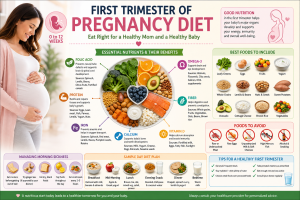
Nutrition is especially important during pregnancy. Women can learn more about essential nutrients and healthy food choices in our First Trimester Pregnancy Diet guide.
Maintaining a healthy weight and eating a balanced diet can also support liver health. See our Fatty Liver Health Tips for practical recommendations.
Healthy eating, regular physical activity and weight management can reduce the risk of type 2 diabetes. Explore Diabetes Prevention: Lifestyle Habits That Really Work for actionable prevention strategies.
Author: Wiki Health News Editorial Team
Medical Review: Dr. Nabaneeta Padhy – MD[OBG] IVF Specialist
Publisher: Wiki Health News
Category: Digital Health / Health Technology
Last Updated: August 18, 2026