DASH eating plan
The DASH eating plan, which stands for Dietary Approaches to Stop Hypertension, is a heart-healthy dietary pattern scientifically proven to lower blood pressure, manage weight, and reduce LDL (“bad”) cholesterol levels.
Unlike many highly restrictive diets, the DASH eating plan requires no special foods or complex recipes. Instead, it focuses on achieving a healthy, balanced variety of everyday whole foods.
Key Food Groups and Daily Servings
The standard DASH menus are modeled around a 2,000-calorie daily diet (which can be scaled up or down based on your individual energy needs). The plan is built on daily targets across several major food groups:
- Grains (5 to 8 servings daily): Emphasizes fiber-rich options, such as whole wheat bread, brown rice, bran flakes, and whole wheat rolls.
- Vegetables (4 ¾ to 6 ¼ servings daily): Focuses on nutrient-dense options like fresh cucumber, tomato wedges, green beans, carrots, broccoli, and spinach.
- Fruits (4 to 7 servings daily): Includes a rich variety of fruits like bananas, oranges, apples, cantaloupe, and raisins.
- Dairy (2 ¼ to 4 servings daily): Promotes low-fat milk, fat-free fruit yogurt, and reduced-fat cheeses.
- Meats, Fish, and Poultry (3 to 6 servings daily): Prioritizes lean proteins, including skinless cooked chicken breast, cod, roast beef, and low-fat turkey.
- Nuts, Seeds, and Legumes (¾ to 1 ¾ servings daily): Includes unsalted almonds, walnuts, kidney beans, peanuts, and sunflower seeds.
- Fats and Oils (1 ½ to 3 ½ servings daily): Uses heart-healthy fats such as canola oil and soft (tub) margarine.
- Sweets and Added Sugars (0 to 1 serving daily): Strictly limits added sugars, occasionally allowing minor treats like a small cookie or graham crackers.
Taming Your Sodium Habit
A cornerstone of the DASH eating plan is the reduction of salt. The plan features two primary sodium targets:
- Standard Target (2,300 mg daily): Equivalent to about one teaspoon of salt, this target alone has been shown to reduce the risk of heart disease.
- Lower Target (1,500 mg daily): Provides a more substantial blood pressure-lowering effect.
You can easily transition from the 2,300 mg level to the tighter 1,500 mg limit by making simple, heart-healthy substitutions:
- Choosing regular oatmeal with cinnamon instead of instant oatmeal packets.
- Preparing chicken, tuna, and green salads without adding salt.
- Opting for low-sodium or reduced-fat cheeses (like low-sodium Swiss or cheddar).
- Swapping out salted condiments for unsalted margarine, unsalted peanut butter, or regular mustard instead of high-sodium Dijon mustard.
By focusing on a diverse, colorful selection of whole foods, the DASH eating plan acts as a sustainable lifestyle choice rather than a temporary, restrictive diet—helping you protect your cardiovascular system and keep your blood pressure in a healthy range.
Overview of the DASH Eating Plan
The Dietary Approaches to Stop Hypertension (DASH) eating plan is a evidence-based dietary framework designed to manage hypertension and promote long-term cardiovascular health. Emphasizing whole, nutrient-dense foods, the plan prioritizes high-fiber fruits, fresh vegetables, whole grains, and lean proteins while minimizing saturated fats, added sugars, and sodium intake. Research demonstrates that adopting DASH not only lowers systolic and diastolic blood pressure but also improves overall metabolic function. For comprehensive guides on heart-healthy nutrition, explore clinical insights on WikiHealthNews
and learn about broader lifestyle wellness strategies at Femelife
.
Mastering the DASH Diet: A Heart-Healthy Guide to Lowering Blood Pressure
Cardiovascular disease remains a leading global health concern, but targeted dietary modifications provide a powerful defense. The Dietary Approaches to Stop Hypertension (DASH) eating plan is widely recognized by clinical cardiologists as one of the most effective non-pharmacological interventions for managing blood pressure and protecting arterial function.
Whether you are seeking to prevent hypertension, lower your cholesterol, or optimize your overall vascular health, adopting the DASH principles provides a sustainable roadmap for long-term vitality.
What is the DASH Eating Plan?
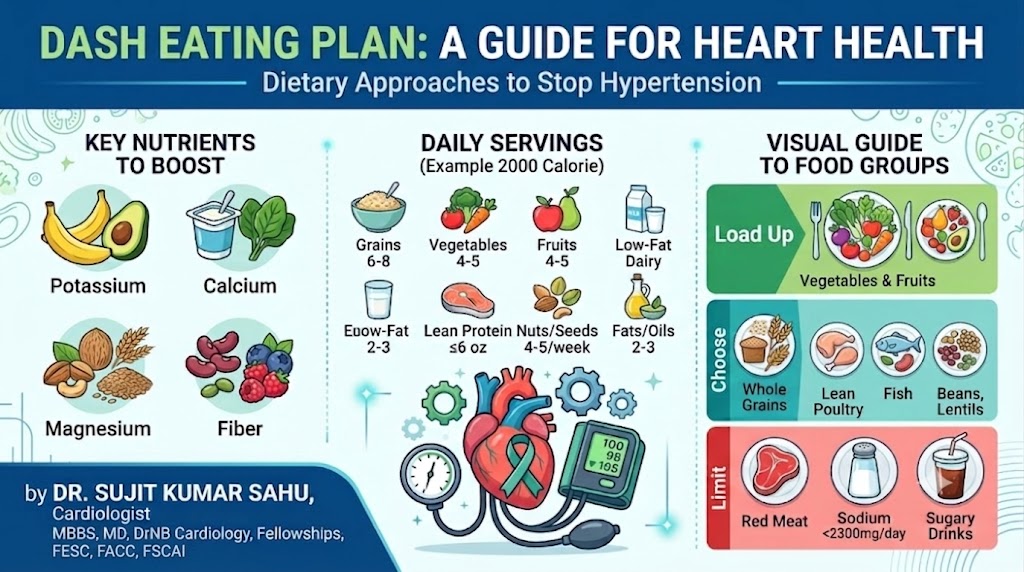
Originally developed through research supported by the National Institutes of Health, the DASH eating plan focuses on consuming nutrients that naturally regulate blood pressure—specifically potassium, calcium, magnesium, and dietary fiber.
Rather than enforcing extreme restrictions, DASH emphasizes balanced choices:
- Abundant Produce: 4 to 5 daily servings of fruits and vegetables rich in antioxidants and mineral electrolytes.
- Whole Grains: 6 to 8 daily servings of complex carbohydrates like oats, quinoa, brown rice, and whole wheat.
- Lean Proteins & Dairy: Low-fat dairy products, poultry, fish, and legumes over red or processed meats.
- Healthy Fats: Moderate intake of nuts, seeds, and plant oils high in monounsaturated and polyunsaturated fatty acids.
Key Health Benefits of the DASH Model
1. Blood Pressure Reduction
By increasing potassium and reducing dietary sodium, DASH helps relax blood vessel walls and promotes natural sodium excretion through the kidneys. Clinical trials show noticeable reductions in blood pressure within just two weeks of initiating the plan.
2. Improved Metabolic & Lipid Profiles
DASH minimizes high-glycemic carbohydrates and saturated fats, aiding in the reduction of Low-Density Lipoprotein (LDL) cholesterol, lower HbA1c levels, and reduced systemic inflammation.
3. Protection Against Stroke and Heart Failure
By preventing arterial stiffening and reducing cardiac workload, consistent adherence to the DASH diet lowers the long-term incidence of coronary artery disease, heart failure, and stroke.
Actionable Steps to Get Started
Implementing DASH does not require an immediate overhaul of your pantry. Start with steady, daily changes:
- Lower Sodium Gradually: Aim for a target of 2,300 mg of sodium per day, gradually reducing toward the ideal limit of 1,500 mg per day for optimal blood pressure control.
- Swap Processed Snacks: Replace packaged, high-sodium snacks with raw nuts, fresh fruit, or unprocessed vegetables.
- Prioritize Plant-Based Meals: Incorporate meatless dinners twice a week using beans, lentils, or tofu as your main protein source.
- Read Nutrition Labels: Check packaged items for hidden sodium, added sugars, and trans fats.
For additional clinical breakdowns on heart health and preventative wellness, visit WikiHealthNews
and discover tailored health guides at Femelife
FAQS on DASH eating plan
The DASH (Dietary Approaches to Stop Hypertension) plan is an evidence-based dietary framework designed to manage blood pressure, reduce cholesterol, and support overall cardiovascular health.
It focuses on foods rich in blood pressure-regulating minerals—specifically potassium, calcium, and magnesium—alongside dietary fiber, while systematically limiting sodium, saturated fats, and added sugars.
3. What are the core food groups included in the DASH diet?
The plan emphasizes fruits, vegetables, whole grains, low-fat dairy, lean proteins (such as poultry, fish, and legumes), nuts, seeds, and healthy plant oils.
Standard DASH recommendations advise limiting sodium to 2,300 mg per day, with an ideal target of 1,500 mg per day for maximum blood pressure reduction.
6. What key nutrients does DASH prioritize for heart health?
It prioritizes potassium, calcium, magnesium, and dietary fiber, which help relax blood vessel walls and promote natural sodium excretion through the kidneys.
7. How many daily servings of fruits and vegetables are recommended on DASH?
The plan typically recommends 4 to 5 servings of vegetables and 4 to 5 servings of fruits per day (based on a standard 2,000-calorie diet).
8. How many servings of whole grains should be eaten daily?
DASH recommends 6 to 8 daily servings of whole grains, such as oats, quinoa, brown rice, or whole-wheat products.
9. Can the DASH diet help lower cholesterol levels?
Yes. By minimizing saturated and trans fats while increasing soluble fiber, DASH helps reduce Low-Density Lipoprotein (LDL) cholesterol and improves overall metabolic profiles.
10. Is the DASH diet effective for managing blood sugar and HbA1c?
Yes. Focusing on low-glycemic complex carbohydrates, lean proteins, and high-fiber foods helps stabilize blood glucose and can contribute to lower HbA1c levels over time.
11. Does the DASH eating plan restrict dairy completely?
No. DASH encourages 2 to 3 daily servings of low-fat or fat-free dairy products, such as yogurt and milk, which provide essential calcium and protein without excess saturated fat.
12. How does DASH handle meats and animal protein?
It recommends prioritizing lean poultry, fish, and plant-based proteins while keeping lean meats to 6 ounces or less per day and minimizing red and processed meats.
13. How often can I eat nuts, seeds, and legumes on DASH?
DASH advises including nuts, seeds, and legumes 4 to 5 times per week, as they provide healthy monounsaturated and polyunsaturated fats along with magnesium.
14. Does the DASH diet require buying expensive specialty foods?
No. The DASH diet relies on standard whole foods—such as fresh or frozen produce, canned beans (rinsed), whole grains, and basic lean proteins—found in ordinary grocery stores.
15. What foods should be limited or avoided on the DASH plan?
You should limit high-sodium processed foods, red meats, full-fat dairy, sugary drinks, sweets, and items high in saturated or trans fats.
16. Is the DASH diet beneficial for people without high blood pressure?
Yes. Because it promotes nutrient-dense, whole-food nutrition, DASH helps prevent hypertension, reduces the risk of stroke and heart failure, and supports long-term wellness in all adults.
17. How can I start transitioning to the DASH diet without feeling overwhelmed?
Start with small daily shifts: add one extra serving of vegetables to dinner, swap packaged snacks for raw fruit or nuts, and replace salt at the table with herbs and spices.
18. Why is reading nutrition labels important on the DASH plan?
Labels help identify hidden sodium, added sugars, and saturated fats in packaged goods like soups, sauces, bread, and seasonings.
19. Does the DASH diet help with weight loss?
While designed primarily for cardiovascular health, DASH naturally supports weight management because high-fiber, high-protein whole foods promote fullness and lower total calorie intake.
20. Who should consult a doctor before starting the DASH diet?
Individuals with severe chronic kidney disease, advanced heart failure, or those taking specific blood pressure medications (like potassium-sparing diuretics) should consult their physician to tailor their potassium and fluid intake appropriately.
Here are 20 key takeaway points summarizing the DASH eating plan guide:
- Core Purpose: The DASH (Dietary Approaches to Stop Hypertension) plan is an evidence-based diet created to lower blood pressure and protect long-term heart health.
- Key Minerals: DASH focuses on nutrients that naturally control blood pressure, specifically potassium, calcium, and magnesium.
- High Fiber Emphasis: The diet prioritizes dietary fiber from whole grains, legumes, and fresh produce to optimize metabolic and vascular function.
- Sodium Limits: Standard recommendations suggest limiting sodium intake to 2,300 mg daily, with an optimal target of 1,500 mg per day for maximum benefit.
- Rapid Results: Clinical trials show that following DASH can produce noticeable blood pressure reductions in as little as two weeks.
- Vessel Relaxation: Higher potassium intake alongside reduced sodium helps blood vessel walls relax and encourages natural sodium excretion through the kidneys.
- Abundant Produce: The plan recommends consuming 4 to 5 daily servings of vegetables and 4 to 5 daily servings of fruits.
- Complex Carbohydrates: DASH includes 6 to 8 daily servings of whole grains like oats, quinoa, brown rice, and whole wheat.
- Low-Fat Dairy: It incorporates 2 to 3 daily servings of low-fat or fat-free dairy products to supply essential calcium without high saturated fat.
- Lean Protein Targets: Animal protein is kept to 6 ounces or less per day, favoring poultry and fish over red meat.
- Plant-Based Foods: The diet encourages nuts, seeds, and legumes 4 to 5 times per week as healthy sources of magnesium and unsaturated fats.
- Cholesterol Management: DASH limits saturated and trans fats, which helps lower Low-Density Lipoprotein (LDL) cholesterol levels.
- Glycemic Control: High-fiber, low-glycemic foods in the diet assist in stabilizing blood sugar and lowering HbA1c over time.
- Stroke & Heart Failure Defense: By reducing arterial stiffness and lowering cardiac workload, DASH helps prevent strokes, heart failure, and coronary artery disease.
- Gradual Transition: Adopting DASH works best through incremental steps, such as swapping processed snacks for fresh fruit and nuts.
- Processed Food Reduction: Limiting pre-packaged foods, cured meats, and commercial snacks helps eliminate hidden sources of high sodium.
- Flavor Alternatives: The plan promotes substituting table salt with natural herbs, spices, citrus, and garlic to season meals.
- Weight Management Support: High-fiber, nutrient-dense whole foods promote satiety, naturally assisting in weight control.
- Broad Accessibility: DASH relies on common, everyday whole foods available in standard grocery stores without needing costly specialty items.
- Clinical Tailoring: Individuals with kidney disease, severe heart failure, or specific blood pressure medications should tailor their potassium and fluid intake under a physician’s guidance.
. For official dietary guidelines and research summaries, review resources provided by the American Heart Association
and the National Heart, Lung, and Blood Institute
.
Medical Disclaimer:The content provided in this article is for educational and informational purposes only and is not a substitute for professional medical advice, diagnosis, or treatment. Always consult your physician or a qualified healthcare provider regarding any medical condition, dietary adjustments, or cardiovascular risk management.
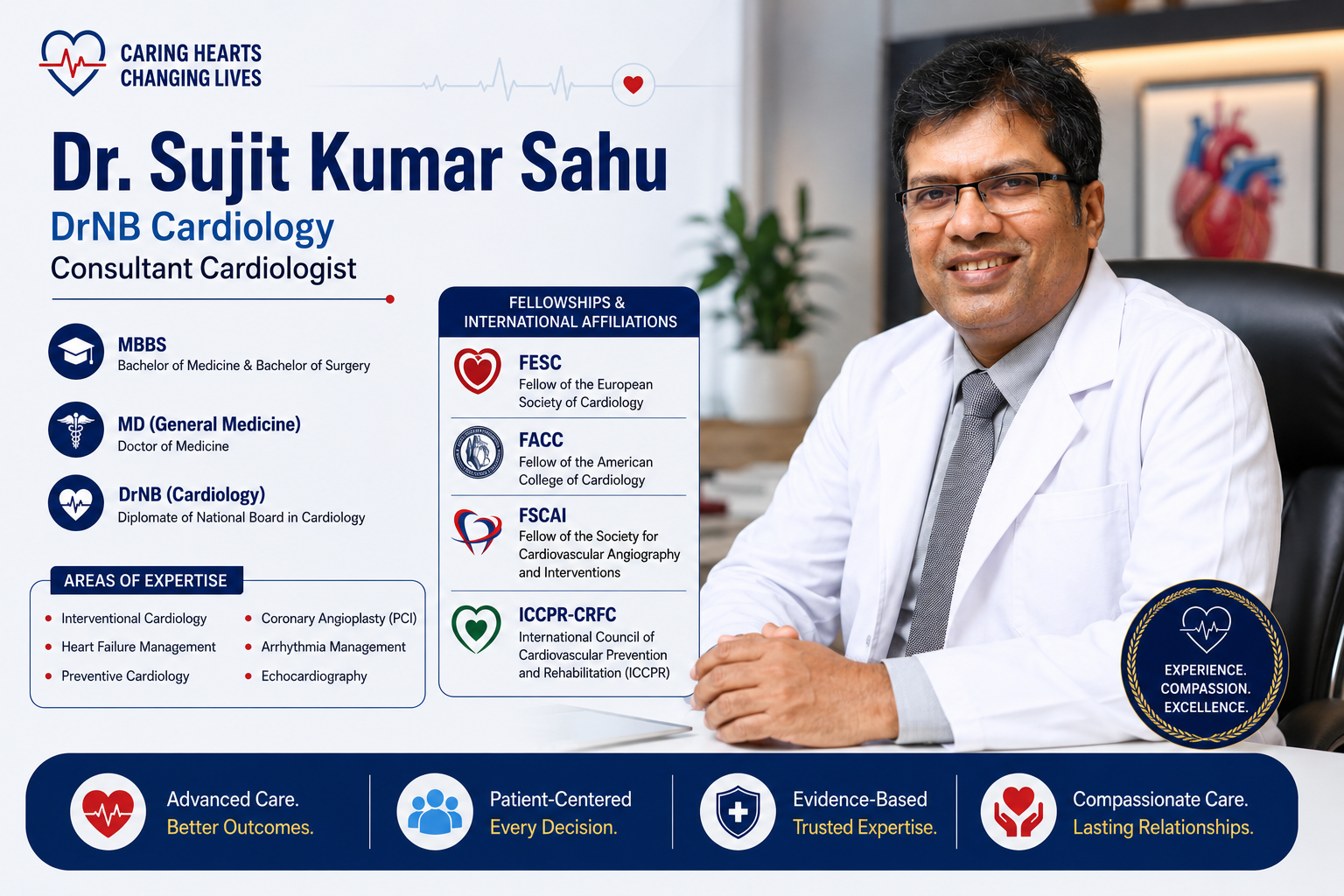
Dr. Sujit Kumar Sahu – Consultant Interventional Cardiologist
Author Profile
Dr. Sujit Kumar Sahu
MBBS, MD [Medicine], DrNB [Cardiology]
Fellowships: FSCAI, FESC, FACC, ICCPR-CRFC
Dr. Sujit Kumar Sahu is an experienced Consultant Interventional Cardiologist who has served at prestigious medical centers, including Apollo Hospital, Chennai, and KIMS Super Speciality Hospital, Bhubaneswar. He specializes in clinical cardiology, complex coronary interventions, and preventative cardiovascular risk management.
Learn more about his medical expertise and published work at his official bio page on WikiHealthNews Editors
.