Mental Health Before Pregnancy: Preparing Emotionally for Parenthood
Mental Health Before Pregnancy: Preparing Emotionally for Parenthood
Preparing emotionally for parenthood is just as vital as physical preparation. Navigating this transition involves building emotional resilience, fostering open communication, and setting grounded expectations long before a baby arrives.
1. Build Personal Emotional Resilience
- Acknowledge the Shift in Identity: Moving into parenthood involves a significant evolution of self. It is normal to feel a mix of excitement, anxiety, and grief for the independence of your current lifestyle.
- Address Past Traumas or Unresolved Issues: Unresolved family dynamics or childhood experiences often surface during parenthood. Working through these through self-reflection or therapy before conceiving creates a clearer, healthier emotional foundation.
- Establish a Strong Self-Care Routine: Develop daily habits that regulate your nervous system, such as regular physical activity, mindfulness, or hobbies that offer fulfillment outside of your roles as a partner or prospective parent.
2. Strengthen Your Partner Communication & Dynamics
- Discuss Core Values Early: Have candid conversations about parenting philosophies, discipline styles, religious or cultural practices, and long-term goals.
- Divide Responsibilities Realistically: Map out how household chores, financial management, and caretaking duties will be shared. Open dialogue reduces resentment later.
- Protect Your Relationship Anchor: Practice active listening, emotional check-ins, and conflict resolution techniques now so your partnership remains a strong anchor during stressful periods.
3. Establish Expectations & Boundaries
- Set Clear External Boundaries: Decide ahead of time how much involvement you want from extended family, friends, and visitors during the prenatal and postpartum periods.
- Normalize Complex Emotions: Accept that mixed feelings—such as doubt, anxiety, or fear—are completely normal. Emotional preparation isn’t about feeling 100% confident every day; it’s about building the flexibility to handle uncertainty.
4. Create a Robust Support System
- Build a Diverse Network: Identify friends, family members, parenting communities, or local groups you can turn to for non-judgmental advice and practical help.
- Connect with Professional Resources: Know when and where to seek professional care. Establishing a relationship with a therapist, perinatal mental health specialist, or counselor early provides a ready-made safety net.
Recognizing the warning signs of postpartum mood disorders early—and building a safety net before birth—makes a profound difference in navigating the transition to parenthood.
While the “baby blues” (mild mood swings, tearfulness, and worry) are very common and typically resolve within two weeks after delivery, postpartum anxiety (PPA) and postpartum depression (PPD) are more intense, persistent, and require proactive support.
Early Signs to Watch For
Postpartum mood disorders affect both birthing parents and non-birthing partners. Recognizing symptoms early helps you seek support sooner.
Postpartum Anxiety (PPA)
- Constant, Intrusive Worries: Uncontrollable “what-if” thoughts about the baby’s health, safety, or SIDS.
- Physical Hyperarousal: Racing heart, shortness of breath, dizziness, or a constant feeling of dread or physical tension.
- Sleep Disturbances: Inability to sleep even when the baby is sleeping peacefully due to hypervigilance.
- Compulsive Behaviors: Checking on the baby excessively or refusing to let anyone else care for the baby out of fear.
Postpartum Depression (PPD)
- Persistent Sadness or Emptiness: Feeling hopeless, overwhelmed, or numb for most of the day, lasting longer than two weeks.
- Difficulty Bonding: Feeling disconnected from the baby or feeling guilty about not experiencing a instant emotional connection.
- Loss of Interest: Total loss of pleasure in activities, hobbies, or social interactions once enjoyed.
- Withdrawal & Irritability: Retreating from family and friends, or experiencing sudden anger, frustration, or rage.
How to Prepare in Advance
Preparing before birth gives you a structured action plan so you are not building support systems while exhausted.
1. Build a Postpartum Plan
- Assign Explicit Roles: Map out shifts for night wakeups, meal prep, and household chores ahead of time to safeguard basic sleep and physical recovery.
- Designate ‘Safe’ Supporters: List 2–3 trusted friends or relatives who can step in without judgment to help with cooking, holding the baby, or running errands.
2. Set Up Professional Contacts Pre-Birth
- Identify Perinatal Specialists: Research local therapists or counselors specializing in perinatal mental health (such as those certified through Postpartum Support International).
- Talk to Your Care Provider: Inform your midwife or OB-GYN about your personal or family history of anxiety or depression during prenatal checkups so they can monitor you closely.
3. Establish Clear Boundaries & Code Words
- Establish Visitor Rules: Set clear expectations with friends and extended family regarding when visitors are welcome and for how long.
- Create a Code Word: Pick a specific phrase between you and your partner (e.g., “Red Light”) that signals “I am feeling completely overwhelmed and need you to step in immediately.”
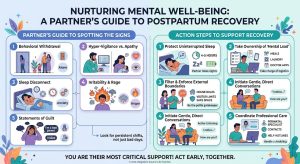
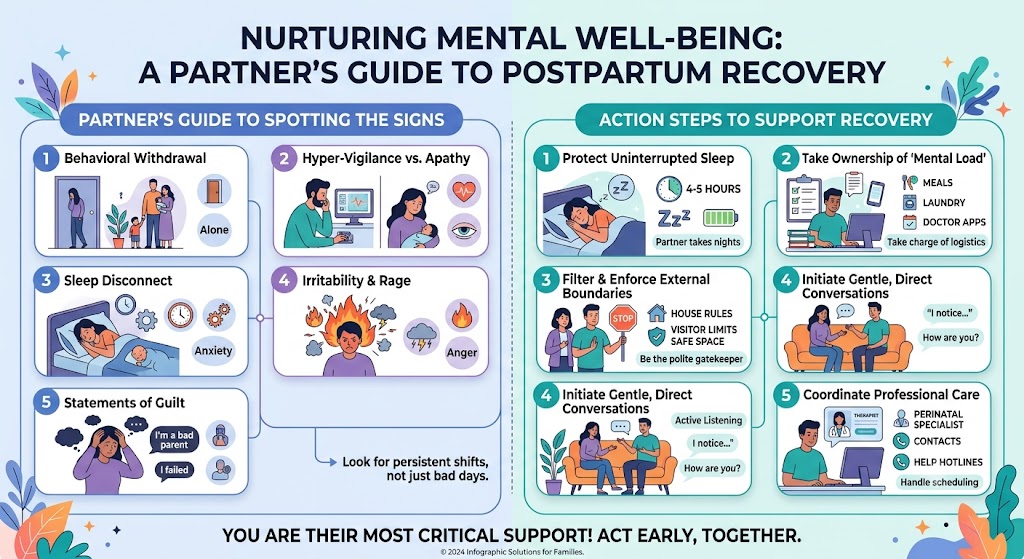
1. Spotting the Subtle Red Flags
Look for persistent shifts in behavior rather than isolated rough days. Key indicators include:
- Behavioral Withdrawal: Pulling away from conversation, avoiding eye contact, or expressing a sense of detachment from the baby (e.g., saying “You take care of them, you’re better at it than I am”).
- Hyper-Vigilance vs. Apathy: Either an inability to sit still and constant re-checking of the baby’s breathing/monitors, OR a complete lack of interest in daily routines and self-care.
- Sleep Disconnect: Being unable to fall asleep during quiet stretches when the baby is sleeping peacefully due to racing thoughts or physical panic.
- Irritability & Rage: Postpartum distress frequently manifests as sharp anger, sudden outbursts, or intense frustration rather than classic sadness.
- Statements of Guilt: Expressing belief that they are a “bad parent” or that the baby would be better off without them.
2. Practical Action Steps to Support Recovery
1.Protect 4-5 Hours of Uninterrupted Sleep:Non-negotiable foundation for mental health recovery.
Sleep deprivation is a primary trigger for postpartum mood issues. Take over a dedicated 4-to-5-hour block at night (using bottled milk or bringing the baby only for nursing) so your partner gets at least one full, uninterrupted sleep cycle.
2.Take Ownership of ‘Mental Load’ Logistics:Remove decision-making demands from their plate.
Instead of asking “How can I help?” (which requires mental effort to answer), take full charge of specific operational domains—such as managing meal delivery, handling laundry, tracking doctor appointments, and filtering visitors.
3.Filter & Enforce External Boundaries:Be the polite gatekeeper for visitors.
Proactively manage family and friends. Limit visit durations, decline unhelpful requests, and step in to clear the room if you notice your partner showing signs of fatigue or sensory overload.
4.Initiate Gentle, Direct Conversations:Use ‘I notice’ framing to avoid defensiveness.
Bring up observations calmly without diagnosing. Say: “I noticed you were feeling really overwhelmed during the feed earlier and couldn’t sleep when the baby slept. How are you feeling right now? I’m in this with you.”
5.Coordinate Professional Care:Handle the scheduling burden directly.
If symptoms persist past 2 weeks or worsen, offer to handle the logistics of getting professional support. Call the OB-GYN, search for perinatal mental health therapists, or contact support hotlines together.
Below is a SEO-ready ~600-word article for Wiki Health News, with authoritative medical guidance and natural internal-link opportunities.
Dental Health Before Pregnancy: Why a Pre-Pregnancy Dental Checkup Matters
Focus Keyword: Dental Health Before Pregnancy
SEO Title: Dental Health Before Pregnancy: Why a Pre-Pregnancy Dental Checkup Matters
Meta Description:
Suggested Slug: dental-health-before-pregnancy
Planning a pregnancy involves more than taking prenatal vitamins and scheduling an obstetric appointment. Dental health before pregnancy is also an important part of preconception care. Hormonal changes during pregnancy can make the gums more susceptible to inflammation, while changes in eating habits, nausea, vomiting, and oral hygiene can increase the risk of cavities and enamel erosion.
A dental checkup before conception provides an opportunity to identify and treat oral health problems before pregnancy begins.
Why Is Dental Health Important Before Pregnancy?
Pregnancy can increase the likelihood of gingivitis, gum inflammation and dental cavities. The CDC notes that hormonal changes during pregnancy can worsen gum inflammation, while changes in diet and other pregnancy-related factors may contribute to tooth decay.
Getting dental problems addressed before conception can help reduce the chance of dealing with avoidable tooth pain, infection, or extensive dental treatment while pregnant.
Good oral health is also part of overall health. For women planning pregnancy, a dental examination can therefore complement routine preconception care.
What Happens During a Pre-Pregnancy Dental Checkup?
A dentist may evaluate:
- Teeth for cavities and decay
- Gums for gingivitis or periodontal disease
- Existing fillings, crowns or other dental work
- Signs of dental infection
- Plaque and tartar buildup
- Oral hygiene practices
- Jaw or tooth problems
- Any symptoms such as bleeding gums, sensitivity or tooth pain
Depending on the findings, professional cleaning, fillings, periodontal treatment or other appropriate dental care may be recommended.
Routine dental care is not something that generally needs to be postponed simply because pregnancy occurs. The American Dental Association states that preventive, diagnostic and restorative dental treatment is safe during pregnancy, and necessary dental treatment should not be unnecessarily delayed.
Pregnancy and Gum Disease
Pregnancy-related hormonal changes can make gums more sensitive to plaque, resulting in pregnancy gingivitis. Symptoms may include:
- Red or swollen gums
- Bleeding while brushing or flossing
- Tender gums
- Bad breath
- Increased gum sensitivity
The CDC reports that approximately 60%–75% of pregnant women have gingivitis.
Although periodontal disease has been associated in studies with outcomes such as preterm birth and low birth weight, the causal relationship is not fully established. Maintaining good oral health remains important regardless.
What About Dental X-Rays During Pregnancy?
Sometimes dental imaging is necessary for diagnosis. According to the ADA, dental radiographs can be performed during pregnancy when clinically indicated, using appropriate safety precautions.
If you are pregnant or may be pregnant, tell your dentist before treatment so that your dental and medical teams can coordinate care appropriately.
How to Protect Your Teeth Before Pregnancy
Start a simple daily oral-health routine:
- Brush twice daily with fluoride toothpaste.
- Clean between your teeth daily using floss or another interdental cleaner.
- Limit frequent consumption of sugary foods and drinks.
- Drink water regularly.
- Have professional dental examinations and cleanings as recommended.
- Treat cavities, gum disease and dental infections promptly.
- Avoid smoking and tobacco products.
- Tell your dentist about medications and supplements you take.
The CDC recommends brushing twice a day with fluoride toothpaste, cleaning between teeth daily, limiting added sugars and maintaining regular dental care.
For additional reading, explore Wiki Health News resources on [Bacteria in Dental Plaque], [Oral Precancer], and [Pregnancy Facts].
Dental Health Is Part of Preconception Care
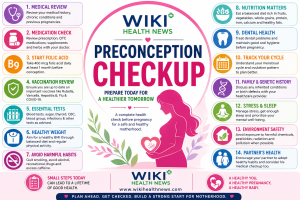
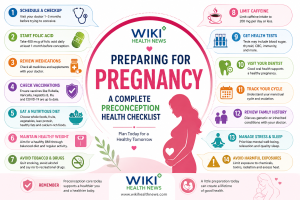
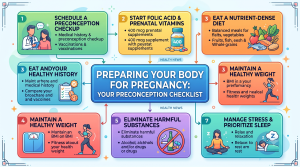
A healthy pregnancy begins with preparation. Along with reviewing medications, vaccinations, nutrition, folic acid and existing medical conditions, women planning pregnancy should consider adding a dental checkup to their preconception checklist.
The goal is simple: identify problems early, maintain healthy teeth and gums, and establish good oral-health habits before conception.
Final Takeaway
Dental health before pregnancy matters. A pre-pregnancy dental checkup can identify cavities, gum disease and other problems that may otherwise become more difficult or uncomfortable to manage. Good brushing, daily interdental cleaning, healthy eating habits and regular professional dental care can help protect oral health before, during and after pregnancy.
Dental care remains important even after conception. If dental symptoms develop during pregnancy, seek professional care rather than postponing necessary treatment.
Author Card
Medical Content Reviewed By
Dr. Nabaneeta Padhy, MBBS, MD (Obstetrics & Gynaecology)
IVF & Fertility Specialist | Founder, Femelife Fertility Foundation
Dr. Nabaneeta Padhy is an IVF and fertility specialist with expertise in reproductive health, fertility care, preconception counseling, pregnancy planning and women’s health. She provides evidence-based guidance for women and couples preparing for pregnancy, with an emphasis on individualized fertility assessment, healthy lifestyle, nutrition and comprehensive preconception care.
Specialty: Obstetrics & Gynaecology | Fertility & Reproductive Medicine
Medical Content Reviewed By
Dr. Nabaneeta Padhy, MBBS, MD (Obstetrics & Gynaecology)
IVF & Fertility Specialist | Founder, Femelife Fertility Foundation
Dr. Nabaneeta Padhy is an IVF and fertility specialist with expertise in reproductive health, fertility care, preconception counseling, pregnancy planning and women’s health. She provides evidence-based guidance for women and couples preparing for pregnancy, with an emphasis on individualized fertility assessment, healthy lifestyle, nutrition and comprehensive preconception care.
Specialty: Obstetrics & Gynaecology | Fertility & Reproductive Medicine
Medical Disclaimer
Medical Disclaimer: This article is intended for general educational and informational purposes only and does not replace professional medical advice, diagnosis or treatment.
Dental treatment and medication choices should be individualized, particularly during pregnancy. Women who are pregnant, may be pregnant, have significant dental disease, take regular medications, or have other medical conditions should discuss their care with their dentist and obstetrician.
Do not delay urgent dental treatment because of pregnancy without discussing the situation with a qualified healthcare professional.
Here are 20 frequently asked questions (FAQs) regarding emotional preparation, identifying postpartum mood changes, and partner support during the perinatal transition:
Section 1: Preparing Emotionally Before Pregnancy & Birth
1. Why is emotional preparation just as important as physical preparation for parenthood?
While physical setup (nurseries, gear, health checkups) is essential, emotional preparation equips prospective parents to handle identity shifts, relationship strain, sleep deprivation, and the steep learning curve of caring for a newborn without becoming overwhelmed.
2. What are common emotional reactions to finding out you are pregnant or planning to conceive?
It is completely normal to experience a mix of excitement, anxiety, awe, self-doubt, and even grief for your current independent lifestyle. Feeling conflicted does not mean you will not be a great parent.
3. How can unresolved personal trauma or childhood experiences affect parenthood?
Past trauma or unaddressed family dynamics often surface when you become a parent yourself. Working through these feelings in advance—via self-reflection or therapy—helps prevent repeating unhealthy patterns and builds a stronger emotional foundation.
4. What core topics should partners discuss before bringing a baby home?
Partners should talk openly about core parenting values, discipline philosophies, division of daily domestic labor, financial expectations, boundaries with extended family, and how they plan to maintain their relationship intimacy.
5. How do you set healthy boundaries with family members before the baby arrives?
Establish clear guidelines early regarding visits (e.g., waiting a few weeks before extended stays, setting visiting hours, requiring vaccines/hygiene protocols, and specifying what kind of support is actually helpful).
Section 2: Spotting Postpartum Mood & Anxiety Disorders (PMADs)
6. What is the difference between the “Baby Blues” and Postpartum Depression (PPD)?
The “baby blues” affect up to 80% of birthing parents and involve mild mood swings, tearfulness, and worry that subside within 10 to 14 days. PPD involves deeper sadness, guilt, detachment, or loss of function lasting longer than two weeks.
7. What are the key warning signs of Postpartum Anxiety (PPA)?
PPA often presents as persistent, uncontrollable worry (frequently centered on the baby’s safety), physical hyperarousal (racing heart, shortness of breath), sleep disturbances even when the baby is asleep, and compulsive checking.
8. Can non-birthing partners or fathers get postpartum depression or anxiety?
Yes. Paternal/partner postpartum depression affects roughly 10% of non-birthing partners. It can be triggered by sudden sleep disruption, increased financial stress, hormonal shifts, and changing relationship dynamics.
9. What is “postpartum rage,” and is it a normal symptom?
Postpartum rage involves sudden, intense outbursts of anger, screaming, or low frustration tolerance. It is a recognized and common manifestation of underlying postpartum depression or anxiety rather than a personal character flaw.
10. What are intrusive thoughts in the postpartum period?
Intrusive thoughts are unwanted, distressing thoughts or mental images (often involving harm coming to the baby). While alarming, unwanted intrusive thoughts with no intent to harm are common in PPA/OCD and should be discussed openly with a medical professional.
11. What is Postpartum Psychosis, and how does it differ from PPD?
Postpartum Psychosis is a rare, severe medical emergency involving delusions, hallucinations, extreme confusion, or paranoia. It develops rapidly after birth and requires immediate emergency medical evaluation.
Section 3: Practical Action Steps for Partners & Support Systems
12. What is the most critical physical step a partner can take to protect a mother’s mental health?
Protecting a non-negotiable block of 4 to 5 hours of continuous, uninterrupted sleep for the recovering parent. Sleep deprivation is one of the strongest triggers for perinatal mood disorders.
13. How can partners take over the “mental load” instead of just helping?
Instead of asking “What can I do?”, partners can take full, autonomous ownership of specific domains—such as managing meals, laundry, tracking medical appointments, purchasing house supplies, and managing communication with visitors.
14. What should a partner say if they notice signs of postpartum depression or anxiety?
Use gentle, non-judgmental “I notice” statements: “I’ve noticed you’ve been feeling really overwhelmed during feedings and haven’t been able to rest when the baby sleeps. How are you feeling right now? I’m in this with you.”
15. How can a couple use a “code word” during high-stress postpartum moments?
Choose a pre-determined word or phrase (e.g., “Red Light”) that signals one partner has reached sensory or emotional overload and needs the other to immediately step in without questioning or debating.
16. How can friends and extended family offer actual, meaningful postpartum support?
Focus on operational help rather than “holding the baby”: drop off cooked meals, clean dishes, fold laundry, run errands, or handle pet care so the parents can rest and bond with their infant.
Section 4: Professional Support & Long-Term Recovery
17. When should we seek professional help for postpartum mood changes?
Seek professional care if symptoms persist beyond 14 days, interfere with daily functioning, prevent sleep when the baby sleeps, cause severe anxiety/panic, or involve thoughts of self-harm or hurting the baby.
18. What types of healthcare professionals specialize in perinatal mental health?
Perinatal Mental Health Certified (PMH-C) therapists, maternal-fetal medicine specialists, reproductive psychiatrists, and specialized postpartum doulas or lactation consultants.
19. Are medications safe for managing postpartum anxiety or depression while breastfeeding?
Many medications (including certain SSRIs) are considered safe and compatible with breastfeeding. Always consult a healthcare provider or reproductive psychiatrist to weigh the risks and benefits for your individual situation.
20. Where can families find free or immediate resources for postpartum mental health crises?
Organizations like Postpartum Support International (PSI) offer helplines, support groups, and resources. Immediate crises can be addressed through local health emergency services or maternal mental health hotlines.