Skip to content

  • Cardiology : Heart / Diabetes / Diet / Exercise / Food and Calories / Health / IVF / Infertility / Women Health

wikiHealthNews.com in Now included in Top 100 International Health Blogs

<CLICK  THE LINK

Best Health Blogs

wiki Health News : Included in Top 100 Best Health Blogs

Prestigious TOP 100 International Health Blogs:


 Top 100 International Health Blog By Feedspot Listing.

wikihealthnews.com/

Rank : 99


WIKI HEALTH NEWS

  • Next story PREGNANCY CARE TIPS
  • Previous story Natural Conception After IVF Treatment

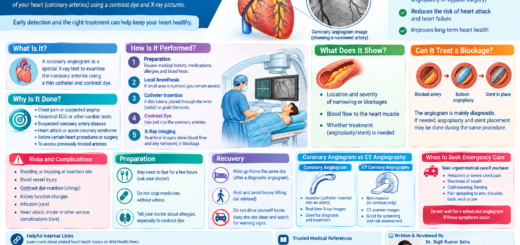
  • Coronary Angiogram: Procedure and Recovery

    Coronary Angiogram: Procedure, Uses, Risks and Recovery

  • Mental Health-Healthy Minds, Brighter Lives

    Mental Health

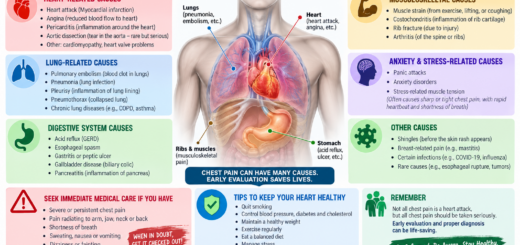
  • chest pain and its common causes

    Chest Pain and Its Common Causes

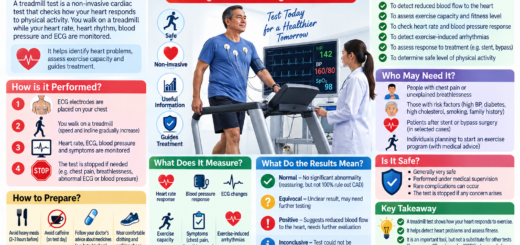
  • Treadmill Test

    Treadmill Test

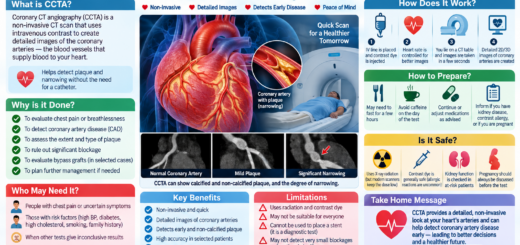
  • Coronary CT Angiography

    Coronary CT Angiography

  • WHN Health Calculators

    WHN Health Calculators

  • Vaccination Guide for Brighter Tomorrows

    Vaccinations to Check Before Pregnancy: A Preconception Guide

  • Holter Monitoring Health Infographic

    Holter Monitoring: Complete Patient Guide to the Test

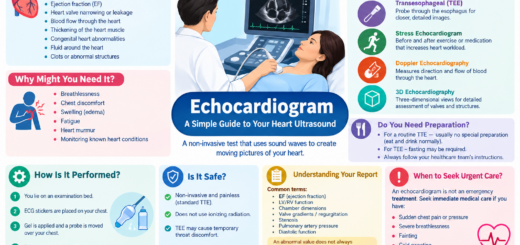
  • Echocardiogram: A Simple Guide to Your Heart Ultrasound

    Echocardiogram: A Simple Guide to Your Heart Ultrasound

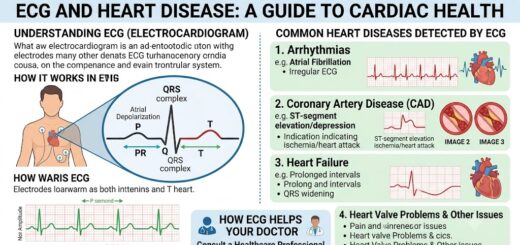
  • ECG & HEART DISEASE — What Your Heart’s Electrical Signals Can Reveal

    ECG and Heart Disease: What an ECG Can Tell You About Your Heart

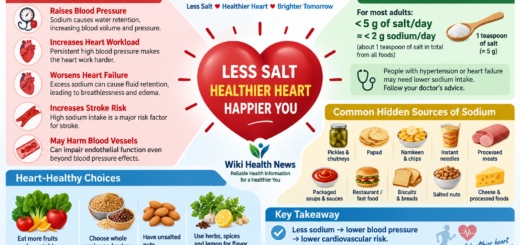
  • Salt and Heart Health

    Salt and Heart Health: How Too Much Sodium Affects Blood Pressure

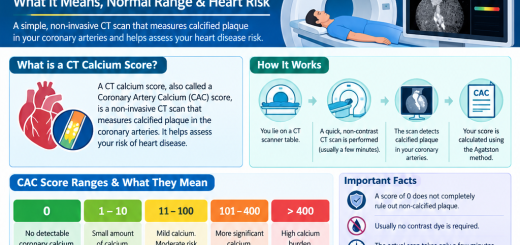
  • CT calcium score

    CT Calcium Score

  • Mental Health Before Pregnancy: Preparing Emotionally for Parenthood

    Mental Health Before Pregnancy: Preparing Emotionally for Parenthood

  • Dental Health Before Pregnancy: Why a Pre-Pregnancy Dental Checkup Matters

    Dental Health Before Pregnancy: Why a Pre-Pregnancy Dental Checkup Matters

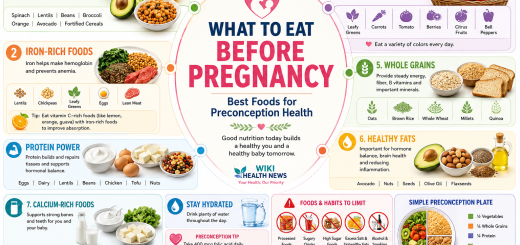
  • Preconception Nutrition: What to Eat

    What to Eat Before Pregnancy: Best Foods for Preconception Health

  • Folic Acid-A Healthy Pregnancy Start

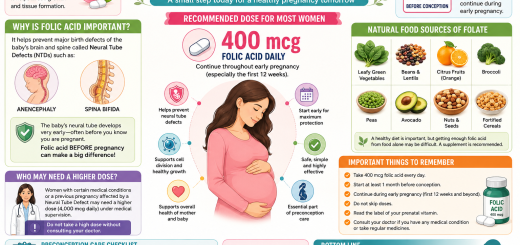
    Folic Acid Before Pregnancy: Why It Matters and When to Start

  • 15 Steps to a Healthy Pregnancy

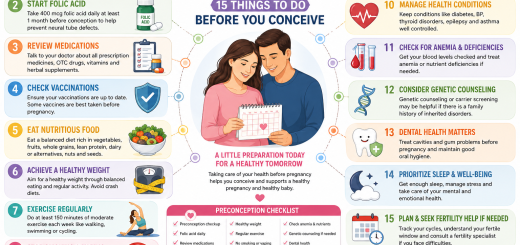
    Planning for Pregnancy? 15 Things to Do Before You Conceive

  • How to Prepare Your Body for Pregnancy

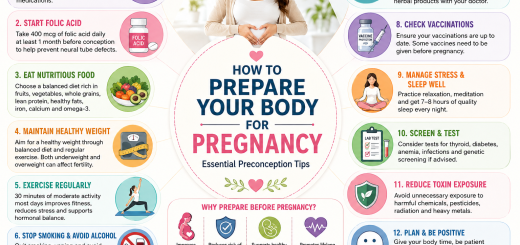
    How to Prepare Your Body for Pregnancy: Essential Preconception Tips

  • Preconception Checkup Health Checklist

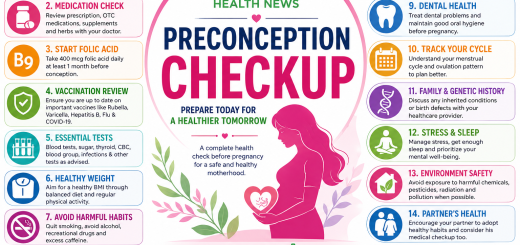
    Preconception Checkup: Complete Guide Before Pregnancy

  • Preconception Health Checklist Infographic

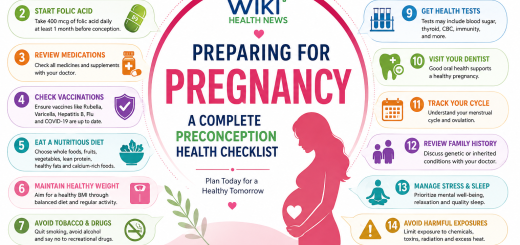
    Preparing for Pregnancy: A Complete Preconception Health Checklist

content

  • Fermented or Non-fermented SOY products : Which is good ?

  • FISH AND YOUR HEALTH

  • Types of Simple Cysts in Our Body

  • Salt and Heart Health

    Salt and Heart Health: How Too Much Sodium Affects Blood Pressure

  • Hirsutism: Excess Body Hair In Female

  • Cholesterol and Heart

  • Typhoid Fever Food Chart & Treatment

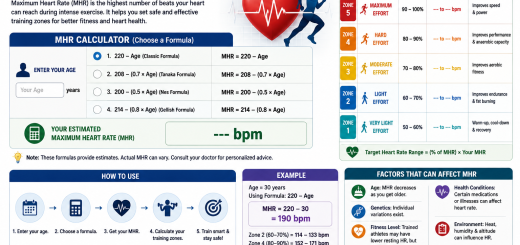
  • # Maximum Heart Rate (MHR) Calculator **Maximum Heart Rate (MHR)** is the highest number of times your heart is expected to beat per minute during maximal physical exertion. It is commonly used to estimate exercise intensity and establish training heart-rate zones. MHR is expressed in **beats per minute (bpm)** and varies mainly with age. ## How to Calculate Maximum Heart Rate A simple traditional formula is: **MHR = 220 − Age** For example, if you are **40 years old**: **220 − 40 = 180 bpm** Therefore, the estimated maximum heart rate is approximately **180 bpm**. Another commonly used age-based equation is: **MHR = 208 − (0.7 × Age)** For a 40-year-old: **208 − (0.7 × 40) = 180 bpm** Both formulas provide an estimate rather than an exact measurement. Individual maximum heart rates can differ considerably because of genetics, fitness level, medications, cardiovascular health and other factors. ## Maximum Heart Rate Calculator | Age | Estimated MHR using 220 − age | | --: | ----------------------------: | | 20 | 200 bpm | | 25 | 195 bpm | | 30 | 190 bpm | | 35 | 185 bpm | | 40 | 180 bpm | | 45 | 175 bpm | | 50 | 170 bpm | | 55 | 165 bpm | | 60 | 160 bpm | | 65 | 155 bpm | | 70 | 150 bpm | ### Understanding Heart-Rate Training Zones MHR can be used to estimate different exercise-intensity zones. A general five-zone model is: | Zone | Approx. % of MHR | Typical intensity | | ---------- | ---------------: | --------------------- | | **Zone 1** | 50–60% | Very light | | **Zone 2** | 60–70% | Light to moderate | | **Zone 3** | 70–80% | Moderate | | **Zone 4** | 80–90% | Vigorous | | **Zone 5** | 90–100% | Very vigorous/maximal | For example, a 40-year-old with an estimated MHR of 180 bpm would have an approximate **60–70% zone of 108–126 bpm**. These zones are useful for aerobic conditioning, endurance training and monitoring exercise intensity. However, they should be treated as estimates rather than rigid targets. ## Why Maximum Heart Rate Matters Knowing your estimated MHR can help you: * Monitor exercise intensity * Avoid exercising unnecessarily hard * Structure aerobic training * Track changes in fitness over time * Establish personalized training zones * Understand heart-rate responses during exercise For recreational exercise, **moderate-intensity activity** is generally sufficient to provide substantial cardiovascular benefits. People beginning an exercise program should increase intensity gradually rather than attempting to reach their predicted maximum heart rate. ## MHR Is Not the Same as Resting Heart Rate Maximum heart rate and resting heart rate measure different aspects of cardiovascular function. **Resting heart rate (RHR)** is the number of heartbeats per minute while you are relaxed and resting. **Maximum heart rate** represents the highest expected rate during maximal exertion. A lower resting heart rate in a healthy, physically trained individual can reflect improved cardiovascular efficiency, but resting heart rate should always be interpreted in context. ## Limitations of the MHR Formula Age-based formulas have substantial individual variability. Two people of the same age may have different actual maximum heart rates. Therefore, reaching a predicted MHR does not necessarily mean that a person has reached their true physiological maximum. Certain medications can also alter heart-rate response. **Beta-blockers**, for example, may prevent the heart rate from rising normally during exercise. In such situations, calculated heart-rate zones may be inappropriate, and exercise intensity may need to be guided by symptoms, perceived exertion or a clinician-directed exercise prescription. ## When to Seek Medical Advice People with known heart disease, unexplained chest pain, significant breathlessness, fainting, abnormal heart rhythms or other cardiovascular conditions should obtain appropriate medical advice before undertaking vigorous exercise. During exercise, **chest pressure or pain, severe shortness of breath, fainting, marked dizziness or a sudden irregular heartbeat** should not be ignored. ## Key Takeaway The simplest Maximum Heart Rate calculation is **220 − age**, while **208 − (0.7 × age)** is another widely used estimate. These equations are useful for creating approximate exercise zones, but they cannot determine an individual's exact maximum heart rate. For personalized cardiovascular training—particularly in people with heart disease or those taking heart-rate-altering medications—professional assessment is preferable. **MHR is a guide, not a diagnosis or a substitute for individualized medical advice.**

    Maximum Heart Rate (MHR) Calculator

  • Squat Exercise: Include In Your Workout

  • Surrogacy In India – A Technology Impasse

  • MUSHROOMS & WEIGHT MANAGEMENT

  • Preconception Nutrition: What to Eat

    What to Eat Before Pregnancy: Best Foods for Preconception Health

  • D-dimer test

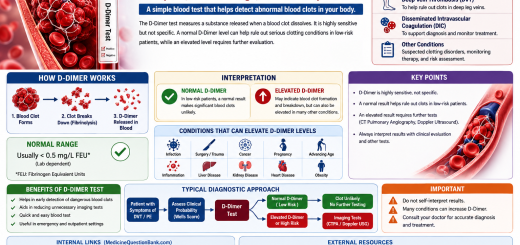
    D-dimer test

  • Prioritize Quality Sleep

    Prioritize Quality Sleep

  • Health outcomes of non-nutritive sweeteners

  • Benefits Of Eating Ragi Millets Daily

  • Nine Herbs & Spices Of India : Health Benefits

  • ZIKA virus and Fertility

  • High-Fiber Diet-Benefits, Foods, and a Complete Guide for Better Health

    High-Fiber Diet-Benefits, Foods, and a Complete Guide for Better Health

  • White Coat Hypertension : Is it Important?

  • Types of Headaches: Causes & Treatment

  • chest pain and its common causes

    Chest Pain and Its Common Causes

  • What Causes Snoring In Men & Women?

  • Vaccination Guide for Brighter Tomorrows

    Vaccinations to Check Before Pregnancy: A Preconception Guide

  • Seasonal Depression and Effective Ways to Deal with It

  • Facts About Brain Aging: What You Need to Understand

  • Liver Function Test: Check The Health Of Liver

  • Birthmarks: Are They Harmless Lesions?

  • Indian Diets: A Treasure of Health and Longevity

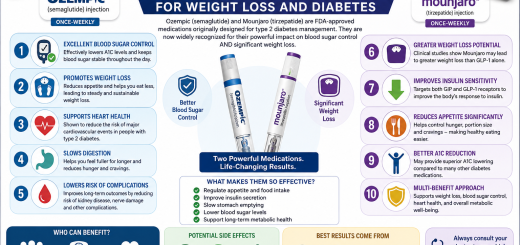
    Top 10 Benefits of Ozempic and Mounjaro for Weight Loss and Diabetes

  • Foods That Help for Good Sleep

  • Black Fungus Infection In Covid Cases

  • Home
  • Blood Pressure
  • Cardiology : Heart
  • Diabetes
  • Exercise
  • Food and Calories
  • IVF / Infertility
  • Neurology
  • Others
  • Cholesterol
  • Diet
  • SUBSCRIBE
  • Wiki Health News: Health Essentials
  • Cancer
  • IVF / Infertility
  • NEWSLETTER
  • Calories: Intake & Expenditure of Food Energy
  • Newsletter
  • About Us
    • Wiki Health News Editors
    • Dr. Sujit Kumar Sahu – Consultant Interventional Cardiologist
    • Dr. Nabaneeta Padhy – IVF Specialist
    • Dr. Debasish Mohapatra – Consultant Interventional Cardiologist
    • Privacy Policy
    • Terms of Service
  • Health Calculators

wiki Health News © 2026. All Rights Reserved.