Diabetes and Cold Weather: 10 Essential Winter Care Tips
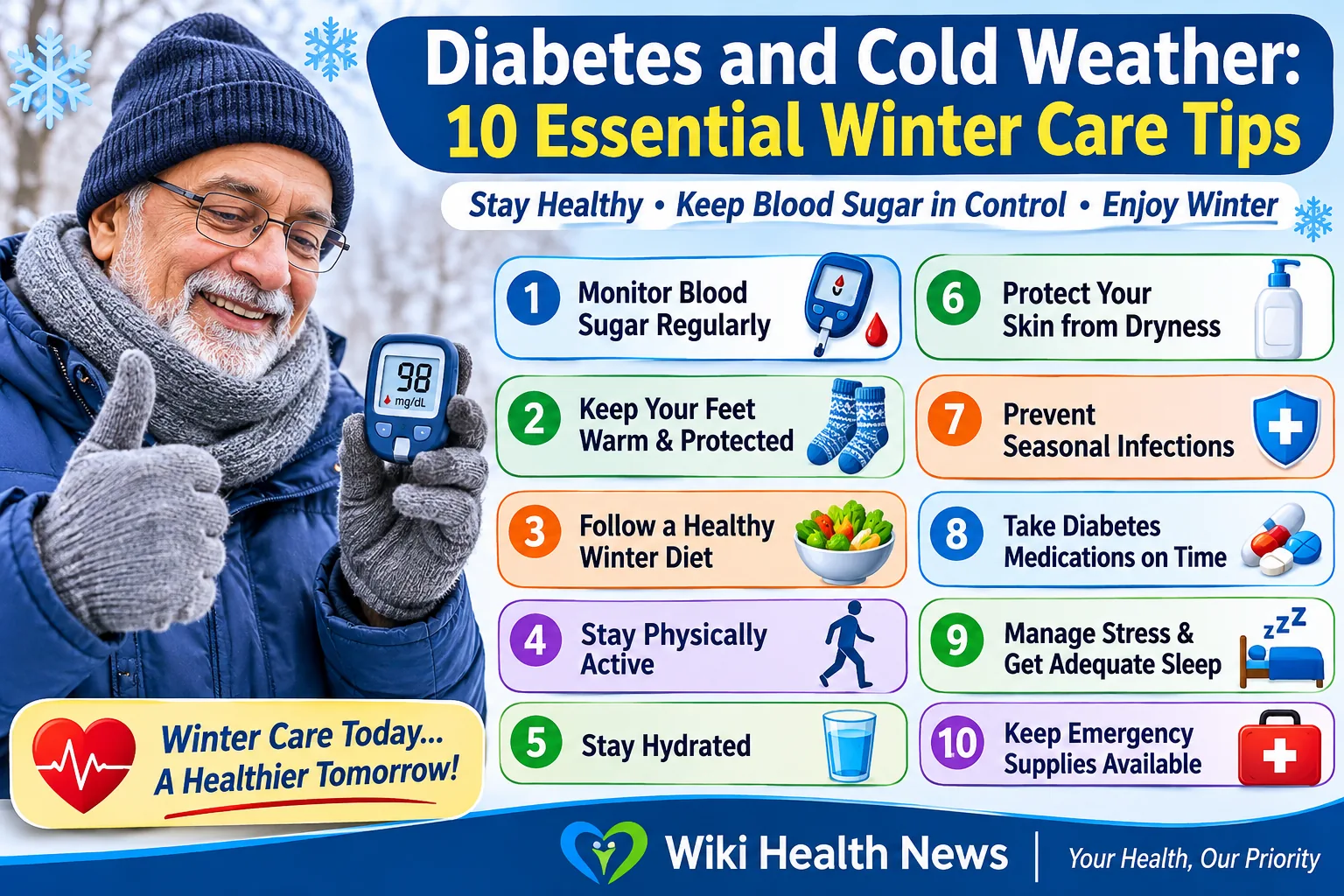
Diabetes and Cold Weather: 10 Essential Winter Care Tips
Diabetes and Cold Weather: 10 Essential Winter Care Tips
Winter can create additional challenges for people living with diabetes. Cold temperatures, reduced physical activity, seasonal infections and changes in eating habits can affect blood glucose levels. People with diabetes may also experience dry skin, poor circulation and an increased risk of foot complications. Following a few practical precautions can help maintain healthy blood sugar levels and prevent winter-related complications.
How Does Cold Weather Affect Diabetes?
Cold weather can influence diabetes management in several ways. During winter, people may exercise less, consume more calorie-rich foods and experience changes in their daily routines. These factors can make blood glucose control more difficult. Cold temperatures can also cause blood vessels to constrict, potentially worsening circulation problems, particularly in people who already have diabetic neuropathy or peripheral arterial disease. Seasonal infections such as influenza and respiratory illnesses can increase stress hormones and raise blood glucose levels. Additionally, cold fingers may make blood glucose testing more difficult. Understanding these challenges is important for maintaining good diabetes control throughout winter.10 Essential Winter Care Tips for People with Diabetes
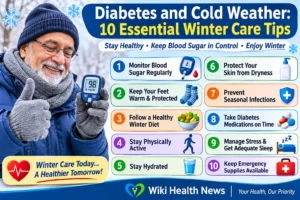
1. Monitor Blood Sugar Levels Regularly
Regular blood glucose monitoring becomes particularly important during winter. Changes in physical activity, food intake, infections and medication routines can cause unexpected fluctuations. Check blood glucose according to your healthcare provider’s recommendations. People using insulin or other glucose-lowering medicines should be especially attentive to unusual readings. Maintain a record of glucose levels and discuss persistent abnormalities with your doctor.2. Keep Your Feet Warm and Protected
People with diabetes may have peripheral neuropathy, which reduces the ability to feel pain, temperature and injury. This increases the risk of unnoticed burns, frostbite and foot wounds. Wear comfortable, warm socks and properly fitting footwear. Avoid walking barefoot, even indoors. Never place your feet directly against heaters, hot-water bottles or heating pads because reduced sensation can prevent you from noticing burns. Inspect your feet every day for redness, swelling, cracks, blisters or wounds.3. Maintain a Healthy Winter Diet
Winter often encourages the consumption of sweets, fried snacks and carbohydrate-rich comfort foods. Excessive intake can contribute to poor blood glucose control. Choose balanced meals containing vegetables, whole grains, pulses, lean protein and healthy fats. Include seasonal vegetables such as spinach, carrots, cauliflower, beans and other fibre-rich foods. Control portion sizes and avoid excessive consumption of sweets, sugary drinks and refined carbohydrates.4. Stay Physically Active
Cold weather may discourage outdoor exercise, but physical activity remains essential for diabetes management. Aim for at least 150 minutes of moderate-intensity aerobic exercise per week, if medically appropriate. Consider indoor activities such as:- Walking inside the house or shopping centre.
- Stationary cycling.
- Yoga and stretching.
- Light resistance exercises.
5. Stay Hydrated
People often drink less water during winter because they do not feel as thirsty. However, dehydration can contribute to elevated blood glucose levels. Drink adequate water throughout the day. Unsweetened warm water, herbal tea without added sugar and other sugar-free beverages can help maintain hydration. Limit sugary beverages, sweetened tea and packaged fruit juices.6. Protect Your Skin from Dryness
Cold air and indoor heating can cause dry, cracked skin. In people with diabetes, skin cracks may become entry points for bacterial infections. Apply a suitable moisturiser regularly, especially after bathing. Avoid applying moisturiser between the toes, where excess moisture may encourage fungal infections. Use lukewarm water rather than very hot water and avoid harsh soaps.7. Prevent Seasonal Infections
Infections such as influenza, pneumonia and respiratory illnesses can increase blood glucose levels and make diabetes more difficult to control. Follow recommended vaccination schedules, including influenza, pneumococcal and COVID-19 vaccines as appropriate for your age and medical history. Wash your hands regularly, avoid close contact with sick individuals and seek medical advice if you develop fever, persistent cough or other concerning symptoms.8. Take Diabetes Medications on Time
Do not stop or modify diabetes medications or insulin doses without consulting your healthcare provider. Maintain your usual medication schedule even when your daily routine changes during winter. People using insulin should protect it from freezing temperatures. Follow the manufacturer’s storage instructions and avoid leaving insulin in extremely cold environments. Keep glucose-monitoring devices and supplies within their recommended operating temperature ranges.9. Manage Stress and Get Adequate Sleep
Shorter daylight hours, reduced activity and changes in routine may affect mood and sleep patterns. Stress hormones can increase blood glucose levels, while inadequate sleep may worsen insulin resistance. Maintain a regular sleep schedule, practise relaxation techniques, spend time outdoors during daylight when possible and engage in enjoyable indoor activities. Aim for approximately 7–9 hours of sleep each night.10. Keep Emergency Diabetes Supplies Available
Winter weather can sometimes disrupt regular routines or access to healthcare services. Maintain an adequate supply of prescribed medications, insulin, glucose-testing strips, lancets and other essential diabetes supplies. Keep fast-acting glucose sources available to treat hypoglycaemia. People using insulin should carry a diabetes identification card or medical alert identification. Avoid allowing glucose meters, insulin or other temperature-sensitive supplies to become excessively cold or frozen.Winter Diabetes Care: Important Comparison Table
| Winter-related challenge | Possible effect | Recommended precaution |
|---|---|---|
| Reduced physical activity | Increased blood glucose | Maintain regular indoor exercise |
| Cold temperatures | Reduced circulation and cold-related foot injury | Wear warm socks and protective footwear |
| Dry weather | Cracked skin and infections | Use moisturiser and inspect skin regularly |
| Seasonal infections | Uncontrolled blood glucose | Vaccination and infection prevention |
| Changes in diet | Blood glucose fluctuations | Choose balanced meals and control portions |
| Reduced water intake | Dehydration and possible hyperglycaemia | Drink adequate fluids |
| Improper insulin storage | Loss of insulin effectiveness | Follow recommended storage temperatures |
When Should People with Diabetes Seek Medical Attention?
Seek medical advice if you experience:
During illness, follow your clinician’s diabetes sick-day plan. Check glucose more frequently as advised and check ketones when recommended, particularly in people with type 1 diabetes or those taking SGLT2 inhibitors.
Seek urgent medical attention for difficulty breathing, confusion, severe dehydration, persistent vomiting, inability to keep fluids down or suspected diabetic ketoacidosis.
- Persistently high or unusually low blood glucose readings.
- Fever, vomiting or diarrhoea.
- Foot ulcers, swelling, redness or signs of infection.
- Persistent numbness, pain or changes in foot colour.
- Symptoms of dehydration or worsening weakness.
Conclusion
Managing diabetes during winter requires attention to blood glucose monitoring, nutrition, exercise, foot care, hydration and medication safety. Cold weather itself does not necessarily cause poor diabetes control, but changes in lifestyle, infections and circulation can create additional challenges. By following these 10 essential winter care tips and maintaining regular medical follow-up, people with diabetes can reduce complications and enjoy a healthier winter season.
Medical Disclaimer: This article is intended for general patient education and does not replace professional medical advice, diagnosis or treatment. People with diabetes should consult their healthcare providers for individualised recommendations regarding medications, insulin, exercise, diet and sick-day management.
Medical References
Published by: Wiki Health News Editorial Team
Wiki Health News:
External Medical References
- Centers for Disease Control and Prevention (CDC) – Managing Diabetes in Cold Weather
- National Institute of Diabetes and Digestive and Kidney Diseases (NIDDK) – Diabetes and Foot Problems
- CDC – Your Feet and Diabetes
- American Diabetes Association (ADA) – Planning for Sick Days
- Diabetes UK – Cold Weather and Diabetes
- CDC – Diabetes: Prevention, Management and Complications
- CDC – Managing Insulin in an Emergency
- NIDDK – Diabetes Overview