Blocked Arteries in the Heart
Blocked Arteries in the Heart
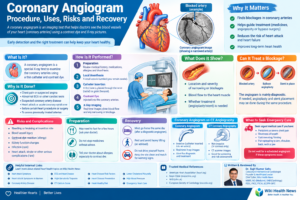
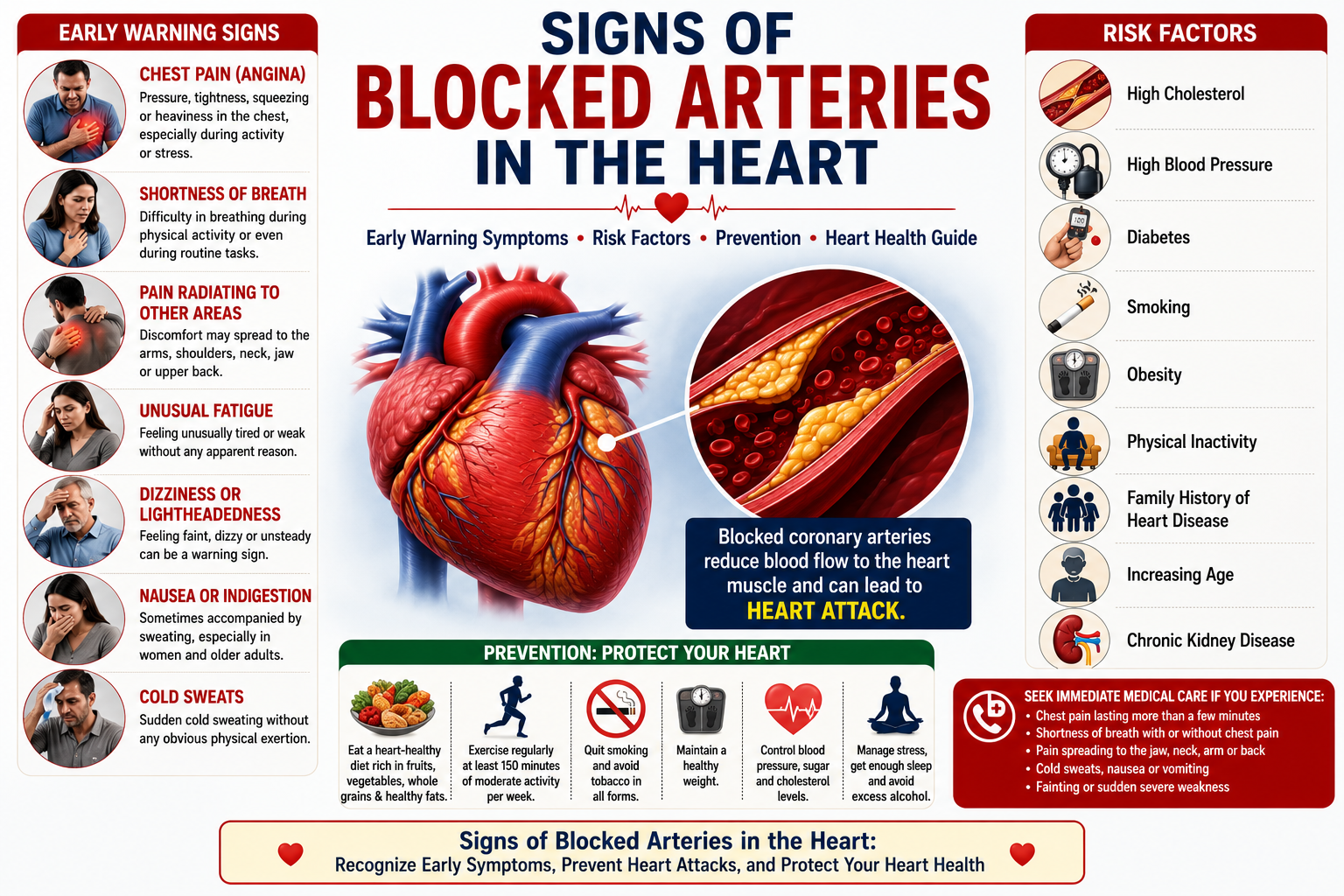
Blocked arteries in the heart, usually caused by coronary artery disease (CAD), occur when plaque made up of cholesterol, fat, calcium and other substances builds up inside the coronary arteries. This can reduce blood flow and oxygen to the heart muscle and, if a plaque ruptures and a blood clot forms, can cause a heart attack.
Common Symptoms of Blocked Heart Arteries
Some people have no symptoms, particularly in the early stages. When symptoms occur, they may include:
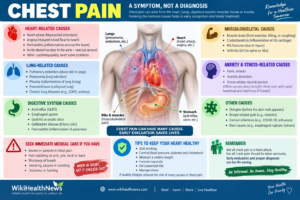
- Chest pain or pressure (angina)
- Shortness of breath
- Unusual fatigue
- Discomfort in the arm, shoulder, back, neck or jaw
- Sweating
- Dizziness or light-headedness
- Reduced exercise tolerance
- Nausea or indigestion-like discomfort
Symptoms may appear during exercise or emotional stress and improve with rest. However, new, severe or persistent symptoms require urgent medical assessment.
What Causes Blocked Heart Arteries?
The main process is atherosclerosis, in which plaque gradually accumulates within artery walls. Important risk factors include:
- High LDL cholesterol
- High blood pressure
- Diabetes
- Smoking and tobacco use
- Obesity
- Physical inactivity
- Unhealthy diet
- Increasing age
- Family history of premature heart disease
How Are Blocked Arteries Diagnosed?
Doctors choose investigations according to symptoms and cardiovascular risk. Tests may include:
- ECG – evaluates the heart’s electrical activity.
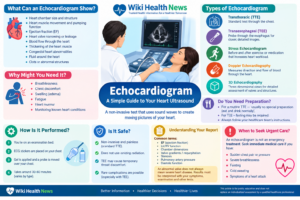
- Echocardiogram – assesses heart structure and pumping function.
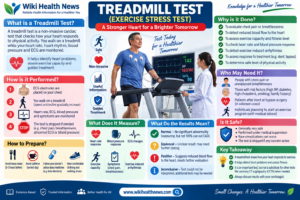
- Exercise stress testing – evaluates the heart during exertion in selected patients.
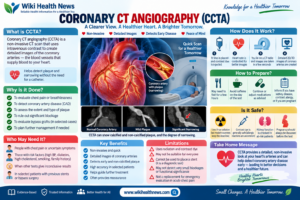
- CT coronary angiography (CCTA) – provides detailed images of the coronary arteries.
- Coronary angiography – an invasive test that can directly identify significant coronary narrowing and can be followed by treatment such as angioplasty when appropriate.
Treatment
Treatment depends on the severity of disease and the patient’s overall cardiovascular risk.
Lifestyle measures may include stopping tobacco, regular physical activity, weight management and a heart-healthy eating pattern.
Medications may be prescribed to control cholesterol, blood pressure, diabetes, angina and blood-clot risk. Common treatment categories include statins, antiplatelet medicines and anti-anginal medications, depending on the individual patient.
For significant coronary narrowing, doctors may consider PCI (angioplasty and stent placement). Some patients with extensive or complex coronary disease may benefit from coronary artery bypass grafting (CABG).
When Is a Blocked Artery an Emergency?
Seek emergency medical attention for new or severe chest pressure/pain, particularly when accompanied by shortness of breath, cold sweating, nausea, fainting, or pain spreading to the arm, back, shoulder, neck or jaw.
A heart attack can sometimes occur with mild or unusual symptoms, including a silent heart attack. Therefore, unexplained symptoms should not simply be assumed to be acidity or indigestion.
Key Takeaway
Blocked coronary arteries can progress silently for years. Controlling cholesterol, blood pressure, blood sugar, smoking, weight and physical inactivity can substantially reduce cardiovascular risk. If symptoms suggest angina or a heart attack, medical evaluation should not be delayed.
Blocked Arteries in the Heart: Symptoms, Causes, Diagnosis and Treatment
Blocked arteries in the heart, commonly caused by coronary artery disease (CAD), occur when plaque builds up inside the coronary arteries. This plaque can narrow the arteries and reduce the supply of oxygen-rich blood to the heart muscle. If a plaque ruptures and a blood clot suddenly blocks blood flow, it can cause a heart attack.
Coronary artery disease may develop gradually and sometimes causes no obvious symptoms in its early stages. Understanding the warning signs and risk factors is important for preventing serious heart complications.
What Causes Blocked Heart Arteries?
The most common cause is atherosclerosis, a process in which cholesterol, fat, calcium and other substances accumulate within artery walls.
Risk factors include:
- High LDL cholesterol
- High blood pressure
- Diabetes
- Smoking and tobacco use
- Obesity
- Physical inactivity
- Unhealthy diet
- Increasing age
- Family history of heart disease
- Chronic kidney disease
People with multiple risk factors may develop coronary artery disease at a younger age.
Symptoms of Blocked Arteries
Some people have no symptoms until the disease becomes advanced. When blood flow becomes insufficient, a person may develop angina, typically described as pressure, tightness, heaviness or discomfort in the chest.
Other possible symptoms include:
- Shortness of breath
- Unusual tiredness
- Reduced exercise capacity
- Sweating
- Dizziness
- Nausea
- Discomfort in the arm, shoulder, back, neck or jaw
Symptoms may occur during exercise or emotional stress and improve with rest. However, symptoms can vary considerably between individuals. Women, older adults and people with diabetes may experience less typical symptoms.
For readers interested in related information, see heart attack symptoms and signs of blocked arteries.
How Are Blocked Arteries Diagnosed?
Doctors consider symptoms, medical history, cardiovascular risk factors and examination findings before selecting appropriate tests.
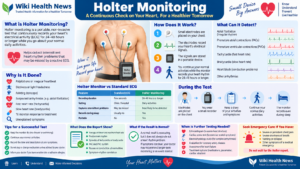
An electrocardiogram (ECG) evaluates the heart’s electrical activity. An echocardiogram assesses heart structure and function. Depending on the situation, doctors may recommend stress testing or CT coronary angiography (CCTA) to evaluate coronary arteries.
Coronary angiography is an invasive imaging test that provides detailed information about coronary artery narrowing. When significant disease is identified, angioplasty and stent placement may sometimes be performed during the same procedure.
Treatment for Blocked Heart Arteries
Treatment depends on the severity and location of coronary disease and the individual’s overall cardiovascular risk.
Lifestyle changes are fundamental. These include stopping tobacco use, maintaining a healthy weight, exercising regularly as medically appropriate, and following a heart-healthy diet.
Doctors may prescribe medicines to lower cholesterol, control blood pressure, manage diabetes, prevent blood clots or relieve angina. Patients should take prescribed medicines consistently and should not stop cardiovascular medication without medical advice.
Some patients with significant coronary artery disease may require percutaneous coronary intervention (PCI) with angioplasty and stenting. Others, particularly those with complex or extensive disease, may be considered for coronary artery bypass grafting (CABG).
Can Blocked Arteries Be Prevented?
Risk can be reduced through how to prevent heart disease strategies, including controlling cholesterol and blood pressure, avoiding tobacco, exercising regularly, maintaining a healthy weight and managing diabetes.
Managing hypertension prevention and cholesterol is particularly important.
When Is It an Emergency?
New or severe chest pressure, especially when accompanied by breathlessness, sweating, nausea, dizziness or discomfort spreading to the arm, back, neck or jaw, may indicate a heart attack.
Do not wait for symptoms to become severe. Seek emergency medical care immediately if a heart attack is suspected.
Key Takeaway
Blocked heart arteries can develop silently, but early detection and aggressive management of cardiovascular risk factors can reduce the risk of heart attack and other complications. Regular medical evaluation is especially important for people with diabetes, high blood pressure, high cholesterol, smoking history or a strong family history of heart disease.
30 FAQs About Blocked Arteries in the Heart
1. What are blocked arteries in the heart?
Blocked heart arteries occur when plaque builds up inside the coronary arteries, narrowing or obstructing blood flow to the heart muscle.
2. What is the main cause of blocked heart arteries?
The most common cause is atherosclerosis, in which cholesterol, fat, calcium and other substances accumulate within artery walls.
3. What are the symptoms of blocked heart arteries?
Symptoms may include chest pressure or pain, shortness of breath, fatigue, sweating, dizziness, nausea and discomfort in the arm, shoulder, back, neck or jaw.
4. Can blocked heart arteries have no symptoms?
Yes. Coronary artery disease can remain silent for years. Some people discover the condition during testing for another reason.
5. What does chest pain from blocked arteries feel like?
Angina may feel like pressure, squeezing, heaviness, tightness or discomfort in the chest. It may occur during physical activity or emotional stress.
6. Can blocked arteries cause shortness of breath?
Yes. Reduced blood flow to the heart can contribute to breathlessness, particularly during physical activity.
7. Can blocked arteries cause fatigue?
Yes. Unusual or unexplained tiredness, particularly with reduced exercise tolerance, can sometimes be associated with coronary artery disease.
8. Can women have different symptoms?
Yes. Women may experience chest discomfort as well as symptoms such as shortness of breath, nausea, unusual fatigue, back discomfort or jaw pain.
9. Can diabetes cause blocked heart arteries?
Diabetes significantly increases the risk of atherosclerosis and coronary artery disease. People with diabetes may also have less typical symptoms.
10. Does high cholesterol cause blocked arteries?
High LDL cholesterol contributes to plaque formation and is an important risk factor for coronary artery disease.
11. Does high blood pressure cause blocked arteries?
Long-term high blood pressure can damage artery walls and increase the risk of atherosclerosis.
12. Can smoking block heart arteries?
Yes. Smoking damages blood vessels, promotes atherosclerosis and substantially increases cardiovascular risk.
13. Can blocked arteries cause a heart attack?
Yes. If a coronary artery becomes completely blocked, usually because of a blood clot forming over a ruptured plaque, a heart attack can occur.
14. Can a blocked artery cause a silent heart attack?
Yes. A heart attack can sometimes occur with mild, unusual or unrecognized symptoms. Read more about silent heart attack symptoms.
15. How are blocked heart arteries diagnosed?
Depending on the clinical situation, doctors may use an ECG, echocardiogram, stress testing, CT coronary angiography or invasive coronary angiography.
16. What is a coronary angiogram?
Coronary angiography is an invasive imaging procedure that uses contrast dye and X-rays to visualize the coronary arteries and identify narrowing or blockage.
17. What is CT coronary angiography?
CT coronary angiography is a non-invasive imaging test that uses computed tomography to create detailed images of the coronary arteries.
18. Can an ECG detect blocked arteries?
An ECG cannot directly show an arterial blockage, but it can identify electrical abnormalities or evidence of previous or ongoing heart damage that may prompt further investigation.
19. Can an echocardiogram detect blocked arteries?
An echocardiogram does not directly visualize coronary artery blockages. It can show abnormalities in heart-wall movement or pumping function that may suggest reduced blood supply.
20. Can blocked arteries be treated with medicines?
Yes. Depending on the patient’s condition, treatment may include medicines to lower cholesterol, control blood pressure, prevent blood clots and manage angina.
21. Can blocked arteries be treated without surgery?
Some patients can be effectively managed with lifestyle changes and medications. Others may require angioplasty and stenting or bypass surgery.
22. What is angioplasty?
Angioplasty, also called PCI, is a procedure in which a catheter is used to open a narrowed or blocked coronary artery. A stent is commonly placed to help keep the artery open.
23. When is bypass surgery needed?
CABG may be considered when coronary disease is extensive, involves important coronary vessels, or is not best treated with PCI.
24. Can diet help prevent blocked arteries?
A heart-healthy dietary pattern emphasizing vegetables, fruits, whole grains, legumes, nuts and minimally processed foods can help manage cardiovascular risk factors.
25. Can exercise help prevent blocked arteries?
Regular physical activity can improve cardiovascular fitness and help manage blood pressure, cholesterol, weight and blood glucose. Exercise should be individualized for people with known heart disease.
26. Can blocked arteries be reversed naturally?
Lifestyle changes can improve cardiovascular risk factors and, in some circumstances, contribute to plaque stabilization or regression. However, significant coronary blockages should not be treated with unproven “natural” remedies instead of medical care.
27. Can cholesterol plaques disappear?
Plaque usually does not simply disappear quickly. Intensive cholesterol management and lifestyle changes can help stabilize plaques and may produce some regression in certain patients.
28. What percentage of blockage is dangerous?
There is no single percentage that determines danger for everyone. Symptoms, location of the narrowing, plaque characteristics, heart function and overall cardiovascular risk all matter.
29. When should I seek emergency care?
Seek emergency medical attention for new or severe chest pressure or discomfort, especially with shortness of breath, sweating, nausea, fainting, or pain spreading to the arm, back, neck or jaw.
30. How can I reduce my risk of blocked heart arteries?
Focus on controlling cardiovascular risk factors:
- Don’t smoke or use tobacco.
- Maintain healthy blood pressure.
- Control LDL cholesterol.
- Manage diabetes and blood glucose.
- Maintain a healthy weight.
- Exercise regularly as medically appropriate.
- Follow a heart-healthy diet.
- Follow prescribed medications.
- Attend recommended cardiovascular check-ups.
- Learn the heart disease risk factors and address them early.
Medical disclaimer: These FAQs are for general health education and do not replace an examination or diagnosis by a qualified healthcare professional. New or potentially serious heart symptoms require prompt medical evaluation.
Wiki Health News Editorial Team
Medically Reviewed by: Dr. Debasish Mohapatra
Published: August 18, 2026 | Last Updated: August 18, 2026
Medical Review: Cardiology
Written by: Wiki Health News Editorial Team
Medically Reviewed by: Dr. Debasish Mohapatra , Consultant Interventional Cardiologist
Published: August 18, 2026
Last Updated: August 18, 2026