Silent Heart Attack: Symptoms, Causes, Risk Factors, Diagnosis and Prevention
Silent Heart Attack: Symptoms, Causes, Risk Factors, Diagnosis and Prevention
A silent heart attack, medically known as a silent myocardial infarction (MI), is a heart attack that occurs with few, mild, unusual, or unrecognized symptoms. Unlike a typical heart attack, a person may not experience severe chest pain and may mistakenly attribute symptoms such as fatigue, indigestion, breathlessness, or weakness to another condition. However, a silent heart attack can still damage heart muscle and increase the risk of future cardiovascular problems. (Mayo Clinic)
What Is a Silent Heart Attack?
A heart attack occurs when blood flow to part of the heart muscle becomes severely reduced or blocked, usually because of coronary artery disease and a blood clot forming over a ruptured atherosclerotic plaque. If oxygen deprivation continues, heart muscle cells become damaged or die. (Mayo Clinic)
In a silent heart attack, the underlying heart-muscle damage can occur without the classic warning signs. Some people experience symptoms that are so mild or unusual that they do not recognize them as cardiac symptoms. Others may discover evidence of an old heart attack months or years later during an ECG or heart-imaging examination. (Mayo Clinic)
For background reading, see the [Myocardial infarction article on Wikipedia] Wikipedia: Myocardial infarction.
Silent Heart Attack Symptoms
The absence of dramatic chest pain does not mean a heart attack is harmless. Possible symptoms include:
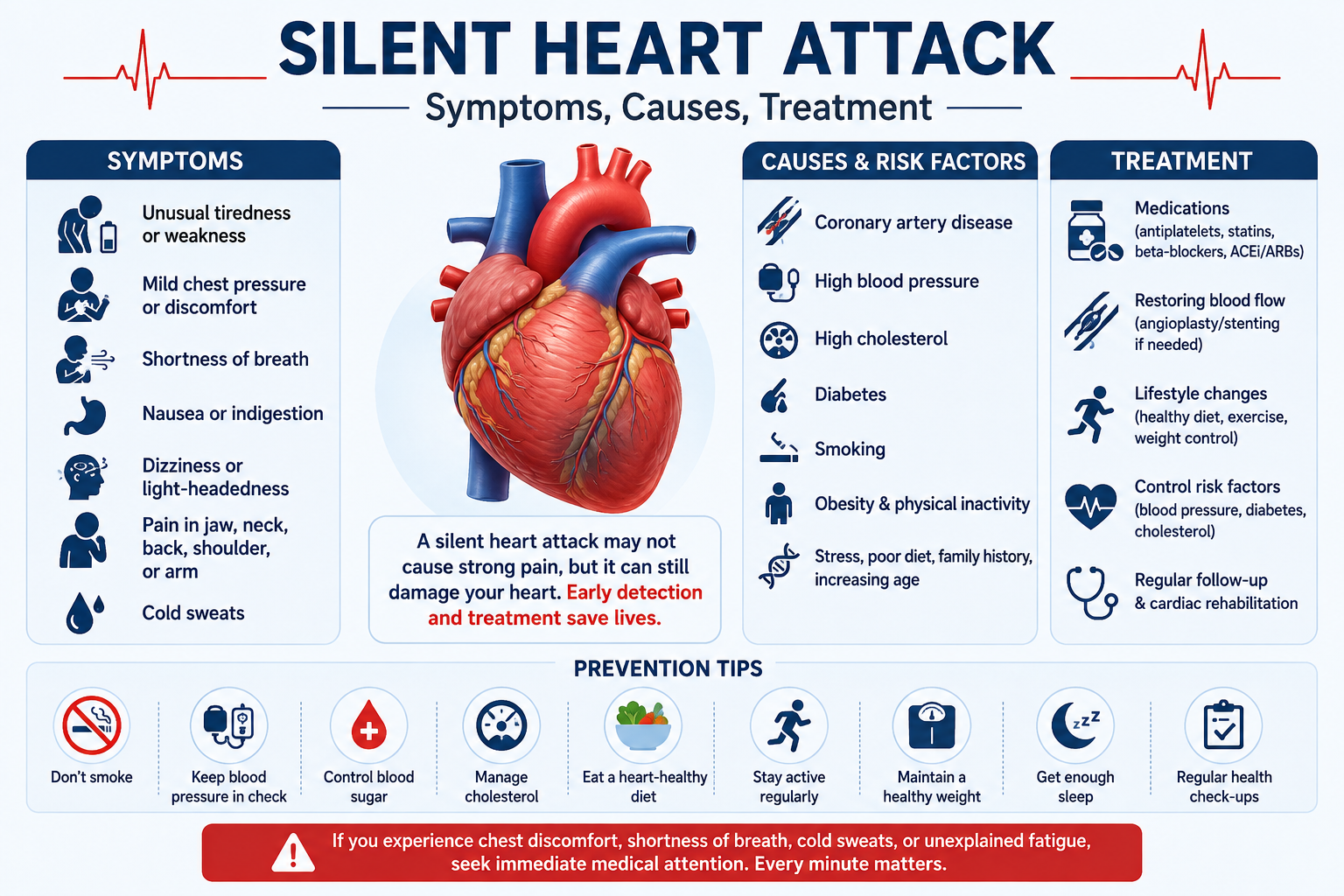
- Unusual or unexplained fatigue
- Shortness of breath
- Mild chest pressure or discomfort
- Indigestion or heartburn-like symptoms
- Nausea or vomiting
- Sweating
- Dizziness or light-headedness
- Discomfort in the jaw, neck, shoulder, arm, back, or upper abdomen
- Reduced exercise tolerance
- A feeling of unusual weakness
Women, older adults, and people with diabetes may be more likely to experience symptoms that do not resemble the classic description of a heart attack. (Mayo Clinic)
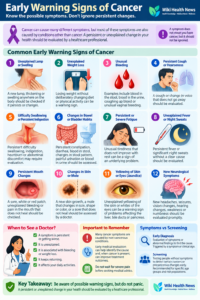
Because symptoms can be subtle, persistent or unexplained symptoms should not automatically be dismissed as acidity, gas, stress, or tiredness—particularly in people with cardiovascular risk factors.
What Causes a Silent Heart Attack?
The causes are generally similar to those of other heart attacks. Coronary artery disease is the most common underlying cause. Fatty deposits called plaques can accumulate inside coronary arteries. If a plaque ruptures, a blood clot may develop and restrict blood flow to the heart. (Mayo Clinic)
Reduced blood flow without obvious symptoms is also referred to as silent ischemia. The American Heart Association notes that reduced oxygen delivery to the heart may sometimes occur without recognizable symptoms. (www.heart.org)
Who Is at Higher Risk?
Important risk factors include:
- Diabetes
- High blood pressure
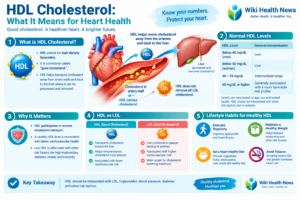
- High LDL cholesterol
- Smoking or tobacco use
- Obesity or excess weight
- Physical inactivity
- Older age
- Family history of heart disease
- Previous heart attack
- Chronic kidney disease
- Metabolic syndrome
Diabetes deserves particular attention because people with diabetes are at increased risk of silent ischemia and unrecognized cardiac events. (Mayo Clinic)
Readers can also explore Wiki Health News resources on [Risk Factors of Heart Attack] Risk Factors of Heart Attack – Wiki Health News and [Heart Attack in Young Individuals] Heart Attack in Young Individuals – Wiki Health News.
How Is a Silent Heart Attack Diagnosed?
A silent heart attack may be discovered during an evaluation for another medical problem. Depending on the clinical situation, doctors may use:
Electrocardiogram (ECG): An ECG records the electrical activity of the heart and may show changes associated with a previous or current heart attack.
Cardiac troponin: High-sensitivity cardiac troponin blood testing is an important tool when an acute myocardial infarction is suspected. (professional.heart.org)
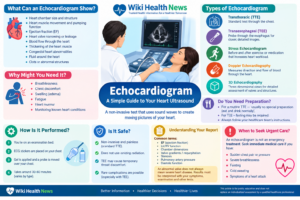
Echocardiogram: Ultrasound imaging can identify abnormal movement of the heart wall or reduced pumping function.
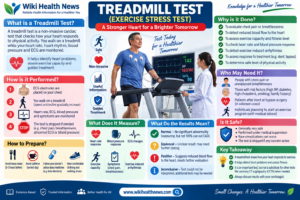
Stress testing: Exercise or pharmacological stress testing may help identify inadequate blood supply to the heart in selected patients.
Cardiac MRI: Cardiac magnetic resonance imaging can provide detailed information about heart-muscle damage and scarring.
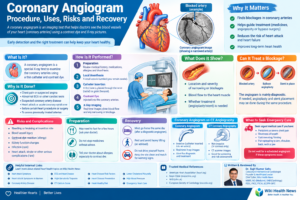
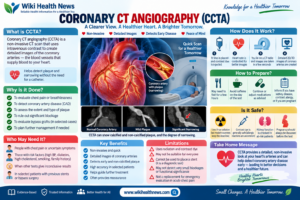
Coronary CT angiography or coronary angiography: These tests can evaluate the coronary arteries when clinically appropriate.
The appropriate test depends on symptoms, risk factors, examination findings, and whether the suspected event is acute or occurred in the past. (www.heart.org)
Why Is a Silent Heart Attack Dangerous?
A silent heart attack can leave permanent damage even when symptoms are minimal. It can increase the risk of another heart attack, heart failure, abnormal heart rhythms, and other cardiovascular complications. (Mayo Clinic)
The key danger is delayed recognition. Someone who does not realize that a heart attack is occurring may not seek urgent treatment, potentially allowing heart-muscle damage to progress.
Silent Heart Attack Prevention
Prevention focuses on controlling cardiovascular risk factors. Important measures include:
- Stop smoking and avoid tobacco products.
- Monitor and treat high blood pressure.
- Maintain healthy cholesterol levels.
- Control blood glucose if you have diabetes or prediabetes.
- Maintain a healthy body weight.
- Exercise regularly according to your doctor’s advice.
- Eat a diet rich in vegetables, fruits, whole grains, legumes, nuts, and other minimally processed foods.
- Take prescribed cardiovascular medications consistently.
- Attend recommended health screenings.
- Discuss your cardiovascular risk with a healthcare professional.
For additional lifestyle guidance, see Wiki Health News’ [Healthy Heart in Everyday Living] Healthy Heart in Everyday Living – Wiki Health News and [Heart-Healthy Diet Tips] Heart-Healthy Diet Tips – Wiki Health News.
When Should You Seek Emergency Care?
Do not wait for severe chest pain if you develop chest pressure, unexplained shortness of breath, sweating, nausea, sudden weakness, dizziness, or discomfort involving the jaw, back, shoulder, or arm—especially if symptoms are new or worsening.
Heart attack symptoms can vary considerably, and medical organizations recommend urgent evaluation when a heart attack is suspected. (www.heart.org)
A silent heart attack is still a heart attack. Mild symptoms should never be used as a reason to ignore potentially serious cardiac warning signs.
Frequently Asked Questions
1. What is a silent heart attack?
It is a heart attack with few, mild, unusual, or unrecognized symptoms.
2. Can a silent heart attack happen without chest pain?
Yes. Some people have no recognizable chest pain or have symptoms that seem unrelated to the heart. (Mayo Clinic)
3. What are the common silent heart attack symptoms?
Fatigue, breathlessness, indigestion, sweating, dizziness, nausea, weakness, and mild discomfort in the chest, back, jaw, shoulder, or arm can occur.
4. Can diabetes increase the risk?
Yes. Diabetes is an important risk factor for silent ischemia and unrecognized heart attacks. (www.heart.org)
5. Can a silent heart attack cause permanent damage?
Yes. A heart attack involves damage to heart muscle even when symptoms are minimal.
6. How is an old silent heart attack detected?
An ECG or heart imaging, such as echocardiography or cardiac MRI, may reveal evidence of previous heart damage. (Mayo Clinic)
7. Can a silent heart attack increase the risk of another heart attack?
Yes. Having a silent heart attack increases the risk of future cardiovascular events. (Mayo Clinic)
8. Can women have silent heart attacks?
Yes. Women can experience heart attacks with less typical symptoms, although chest discomfort remains an important symptom in women as well. (www.heart.org)
9. Is indigestion ever a heart attack symptom?
Yes. Heart-related symptoms can sometimes feel like indigestion or heartburn. (Mayo Clinic)
10. When should I seek emergency medical help?
Seek emergency care immediately for new or concerning chest discomfort, breathlessness, sweating, nausea, dizziness, or pain involving the arm, jaw, back, shoulder, or upper abdomen.
References
- American Heart Association – Heart Attack Explained
- American Heart Association – Silent Ischemia and Ischemic Heart Disease
- Mayo Clinic – Silent Heart Attack: What Are the Risks?
- Mayo Clinic – Myocardial Ischemia: Symptoms and Causes
- American Heart Association – Warning Signs of a Heart Attack
- American Heart Association – 2025 Acute Coronary Syndromes Guideline Patient Messages
- Wikipedia – Myocardial Infarction
Medical disclaimer: This article is for health education and does not replace evaluation by a qualified healthcare professional. Anyone with possible heart attack symptoms should seek emergency medical care immediately.
Written by: Wiki Health News Editorial Team
Medically Reviewed by: Dr. Debasish Mohapatra, Consultant Interventional Cardiologist
Published: August 18, 2026
Last Updated: August 18, 2026
Medical Review: Cardiology
Reading Time: 7–8 minutes
Content Type: Patient Education / Medical Information
heart attack symptoms heart attack symptoms in women heart disease risk factors diabetes and heart disease how to prevent heart disease heart-healthy diet hypertension prevention how to lower cholesterol naturally emergency heart care signs of blocked arteries silent heart attack symptomsMedical Review Note: This article has been reviewed for medical accuracy and is intended for general health education. It does not replace diagnosis or treatment from a qualified healthcare professional.