Pregnancy Diet & Nutrition Plan
Meta Description: Discover an evidence-based pregnancy diet and nutrition plan. Learn key macronutrients, vital vitamins, food safety tips, and sample daily meal schedules.
The Ultimate Pregnancy Diet & Nutrition Plan: Essential Guide for Expecting Mothers
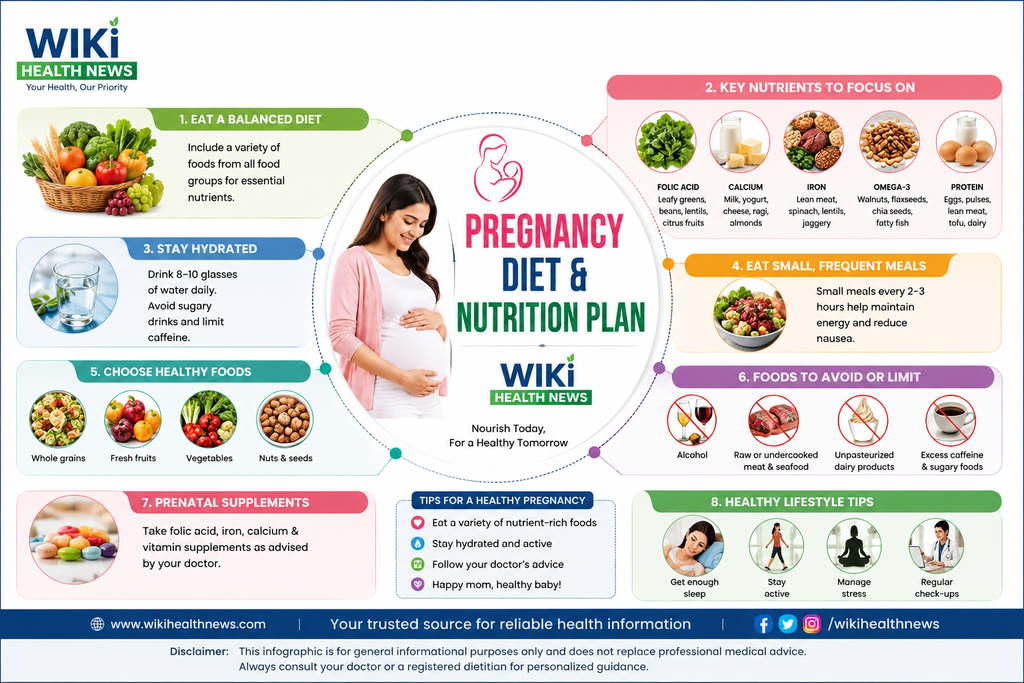
Optimal nutrition during pregnancy supports fetal development and protects maternal health. Rather than “eating for two” in terms of volume, focus on maximizing nutrient density. A balanced pregnancy diet provides steady energy, reduces pregnancy-related discomforts like fatigue and constipation, and lowers the risk of gestational complications.
Core Nutritional Requirements During Pregnancy
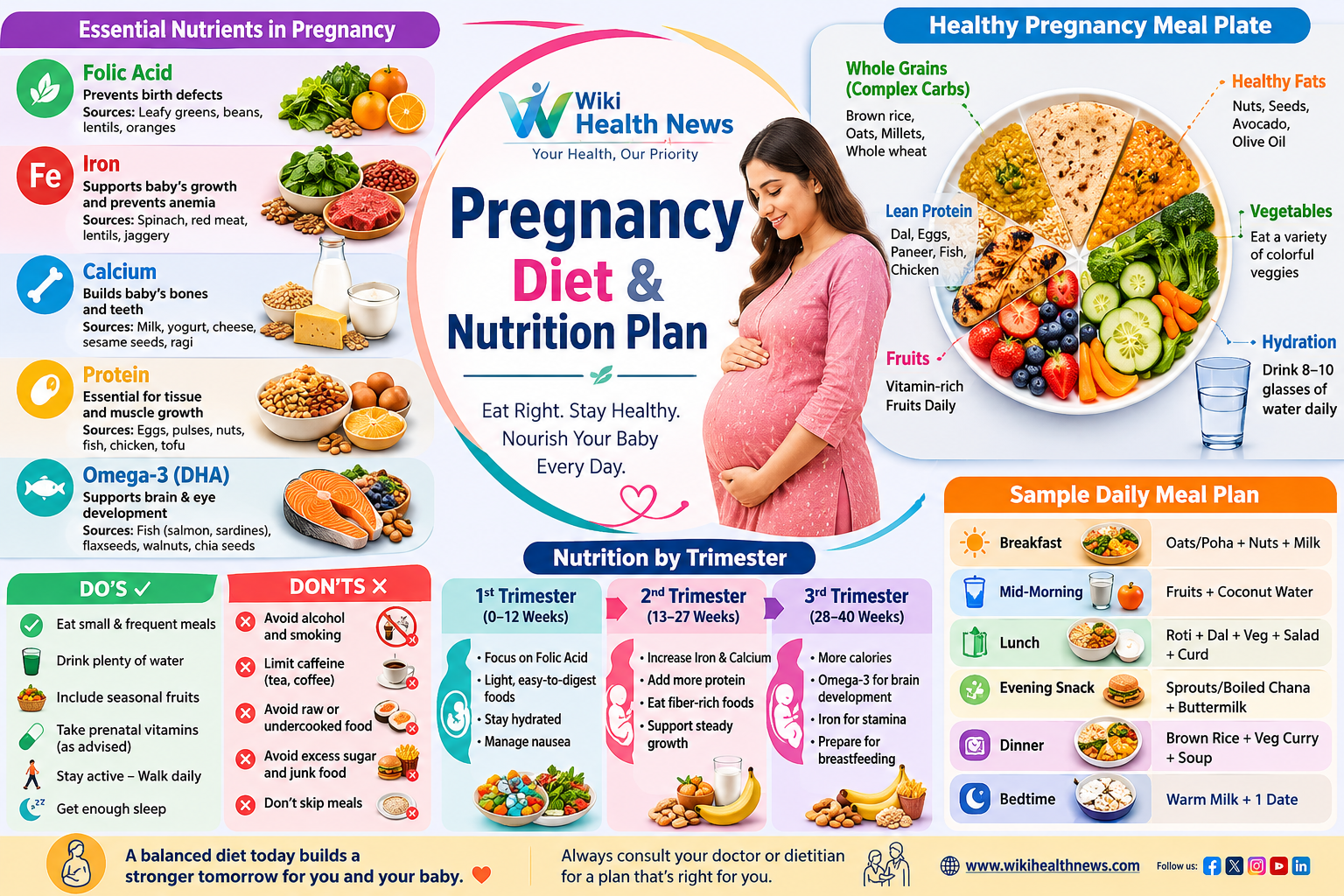
| Nutrient | Daily Requirement | Fetal & Maternal Benefits | Top Food Sources |
| Folate / Folic Acid | 600–800 mcg | Prevents neural tube defects | Spinach, lentils, fortified grains, oranges |
| Iron | 27 mg | Prevents anemia, supports oxygen delivery | Lean beef, poultry, spinach, kidney beans |
| Calcium | 1,000 mg | Builds strong bones, teeth, and muscles | Pasteurized milk, Greek yogurt, fortified plant milk |
| Protein | 71 g | Promotes fetal tissue and brain growth | Eggs, chicken breast, tofu, lentils, salmon |
| DHA (Omega-3) | 200–300 mg | Drives fetal brain and vision development | Salmon, sardines, walnuts, chia seeds |
Trimester-by-Trimester Caloric & Micronutrient Needs
Caloric intake should scale alongside fetal development rather than increasing dramatically early on.
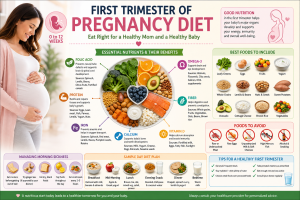
- First Trimester (Weeks 1–12): No additional calories are generally required. Prioritize folate intake and focus on managing morning sickness with small, frequent meals rich in complex carbohydrates.
- Second Trimester (Weeks 13–26): Add approximately 340 calories per day. Emphasize iron and calcium to support expanding blood volume and fetal bone calcification.
- Third Trimester (Weeks 27–40): Add approximately 450 calories per day. Target high-protein foods and omega-3 fatty acids to aid rapid brain growth and weight gain before birth.
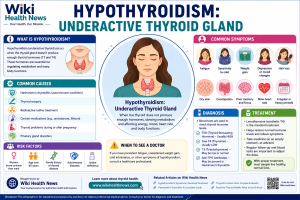
Reviewing comprehensive clinical protocols on hypothyroidism and underactive thyroid management
is crucial if you manage metabolic or hormonal conditions during pregnancy, as baseline endocrine function directly affects nutrient absorption.
Foods to Prioritize vs. Foods to Avoid
Nutrient-Dense Foods to Include
- Leafy Greens & Veggies: Packed with fiber, folate, and potassium to prevent constipation.
- Low-Mercury Seafood: Salmon, anchovies, and trout provide essential DHA without high heavy metal exposure.
- Eggs & Dairy: Choline from egg yolks and calcium from pasteurized dairy support nervous system build-up.
- Whole Grains: Oats, quinoa, and brown rice maintain stable blood glucose levels.
Safety Hazards to Avoid
- High-Mercury Fish: Avoid shark, swordfish, king mackerel, and tilefish.
- Unpasteurized Dairy & Juices: Poses severe risk of Listeria and E. coli contamination.
- Raw or Undercooked Meat/Seafood: Eliminates exposure to Toxoplasma and Salmonella.
- Excessive Caffeine: Keep consumption under 200 mg daily (approx. one 12 oz cup of coffee).
- Alcohol: Complete avoidance is required, as no amount is deemed safe during gestation.
For additional guidance on adjusting daily nutritional choices around endocrine health, consult thyroid disease: foods to eat and avoid
to manage metabolic wellness throughout each trimester.
Sample Daily Meal Plan
- Breakfast: 2 scrambled eggs, 1 slice of whole-grain toast with avocado, and 1 cup of spinach.
- Morning Snack: Greek yogurt topped with a handful of walnuts and fresh berries.
- Lunch: Quinoa bowl with grilled chicken, black beans, steamed broccoli, and olive oil dressing.
- Afternoon Snack: Apple slices paired with 2 tablespoons of peanut butter.
- Dinner: Baked salmon, wild rice, and roasted asparagus cooked in olive oil.
Internal Links
External Authoritative References
- American College of Obstetricians and Gynecologists (ACOG):Nutrition During Pregnancy Guidelines
- Mayo Clinic:Pregnancy Diet: Focus on Essential Nutrients
- World Health Organization (WHO):Healthy Eating During Pregnancy and Lactation
A Pregnant Woman Should Include in their Daily Diet at Least: Five servings of clean fruits and vegetables (which include as a minimum one serving of a darkish orange vegetable, servings of darkish leafy vegetables, and one serving of citrus fruit and six servings of enriched, whole-grain breads and cereals.
What a lady eats and drinks being pregnant is her infant’s principal supply of nourishment. So, professionals endorse that a mother-to-be need to encompass a whole lot of wholesome ingredients and drinks to supply the crucial vitamins a infant needs for development.
Good nutrition during pregnancy, and sufficient of it, could be very crucial to your infant to develop. You need to eat approximately three hundred greater energy consistent with day than you probably did earlier than you have become pregnant.
Although nausea and vomiting at some stage in the primary few months of being pregnant could make this difficult, try and consume a well-balanced diet and take prenatal vitamins. Here are a few hints to maintain you and your child healthy.
Make certain you are becoming sufficient nutrients and minerals on your every day weight loss plan while pregnant. You must take a prenatal nutrition supplement to ensure you’re continually getting sufficient nutrients and minerals each day. Your physician can advocate an over-the-counter emblem or prescribe a prenatal nutrition for you.
Eat and drink as a minimum 4 servings of dairy merchandise and calcium-wealthy meals a day to assist make sure which you have become 1000-1300 mg of calcium in your every day weight loss program at some stage in pregnancy.
Choose as a minimum one supply of diet A every different day. Sources of diet A consist of carrots, pumpkins, candy potatoes, spinach, water squash, turnip greens, beet greens, apricots, and cantaloupe.
Pregnancy nutrition Diet
A pregnant lady desires more calcium, folic acid, iron and protein than a lady who isn’t always expecting, in line with the American College of Obstetricians and Gynecologists (ACOG). Here is why those 4 vitamins are important.
Folic acid diet
Also referred to as folate whilst the nutrient is observed in foods, folic acid is a B nutrition this is critical in supporting to save you start defects withinside the infant’s mind and spinal cord, referred to as neural tube defects.
It can be tough to get the advocated quantity of folic acid from food plan alone. For that purpose the March of Dimes, an business enterprise devoted to stopping start defects, recommends that girls who’re looking to have a infant take a day by day nutrition supplement containing four hundred micrograms of folic acid in line with day for at the least one month earlier than turning into pregnant. During pregnancy, they endorse girls to growth the quantity of folic acid to six hundred micrograms a day, an quantity normally observed in a day by day prenatal nutrition.
Food sources: leafy inexperienced vegetables, fortified or enriched cereals, breads and pastas, beans, citrus fruits.
Calcium diet:
This mineral is used to construct a toddler’s bones and teeth. If a pregnant girl does now no longer devour enough calcium, the mineral might be drawn from the mother’s shops in her bones and given to the toddler to satisfy the more needs of pregnancy, in keeping with the Academy of Nutrition and Dietetics. Many dairy merchandise also are fortified with diet D, any other nutrient that works with calcium to increase a toddler’s bones and teeth.
Pregnant ladies age 19 and over want 1,000 milligrams of calcium a day; pregnant teens, a long time 14 to 18, want 1,three hundred milligrams daily, in keeping with ACOG.
Food sources: milk, yogurt, cheese, calcium-fortified juices and foods, sardines or salmon with bones, a few leafy greens (kale, bok choy).
Iron diet:
Pregnant girls want 27 milligrams of iron a day, that is double the quantity wished through girls who aren’t expecting, consistent with ACOG. Additional quantities of the mineral are had to make extra blood to deliver the infant with oxygen. Getting too little iron at some point of being pregnant can cause anemia, a circumstance ensuing in fatigue and an improved threat of infections.
To growth the absorption of iron, encompass an awesome supply of diet C on the identical meal whilst consuming iron-wealthy foods, ACOG recommends. For example, have a tumbler of orange juice at breakfast with an iron-fortified cereal.
Food sources: meat, poultry, fish, dried beans and peas, iron-fortified cereal.
Protein diet:
More protein is wanted in the course of pregnancy, however maximum ladies do not have troubles getting sufficient protein-wealthy ingredients of their diets, stated Sarah Krieger, a registered dietitian and spokeswoman on prenatal nutrients for the Academy of Nutrition and Dietetics in St. Petersburg, Florida. She defined protein as “a builder nutrient,” as it allows to construct crucial organs for the baby, consisting of the mind and heart.
Food sources: meat, poultry, fish, dried beans and peas, eggs, nuts, tofu.
Pregnancy Diet-Foods to eat
During pregnancy, the purpose is to be ingesting nutritious ingredients maximum of the time, Krieger advised Live Science. To maximize prenatal nutrition, she indicates emphasizing the subsequent 5 meals groups: end result, vegetables, lean protein, complete grains and dairy products.
When counseling pregnant women, Krieger recommends they fill 1/2 of their plates with end result and vegetables, 1 / 4 of it with complete grains and 1 / 4 of it with a supply of lean protein, and to even have a dairy product at each meal
Pregnancy Diet-Fruits and vegetables:
Pregnant ladies ought to recognition on end result and vegetables, specially all through the second one and 0.33 trimesters, Krieger said. Get among 5 and 10 tennis ball-length servings of produce each day, she said. These colourful meals are low in energy and full of fiber, nutrients and minerals
Pregnancy Diet-Lean protein:
Pregnant ladies ought to consist of properly protein reassets at each meal to aid the baby’s growth, Krieger said. Protein-wealthy ingredients consist of meat, poultry, fish, eggs, beans, tofu, cheese, milk, nuts and seeds.
Pregnancy Diet-Whole grains:
These meals are an critical supply of electricity in the diet, and in addition they offer fiber, iron and B-vitamins. At least 1/2 of of a pregnant woman’s carbohydrate selections every day must come from entire grains, which include oatmeal, entire-wheat pasta or breads and brown rice, Krieger .
Dairy in pregnancy diet:
Aim for three to four servings of dairy meals a day, Krieger suggested. Dairy meals, along with milk, yogurt and cheese are precise nutritional reassets of calcium, protein and diet D.
In addition to a healthful diet, pregnant ladies additionally want to take a every day prenatal diet to gain a number of the vitamins which can be difficult to get from meals alone, along with folic acid and iron, in keeping with ACOG.
Foods to limit in pregnancy diet
Caffeine in pregnancy diet:
Consuming fewer than two hundred mg of caffeine a day, that is the quantity located in a single 12-ounce cup of coffee, is usually taken into consideration secure for the duration of being pregnant, in step with a 2010 ACOG committee opinion, which changed into reaffirmed in 2013. The committee document stated slight caffeine intake for the duration of being pregnant does now no longer seem to make a contribution to miscarriage or untimely birth.
Fish in pregnancy diet:
Fish is a superb supply of lean protein, and a few fish, along with salmon and sardines, additionally contain omega-three fatty acids, a healthful fats this is precise for the heart. It is secure for pregnant ladies to consume eight to twelve oz of cooked fish and seafood a week, in step with ACOG. However, they ought to restriction albacore or “white” tuna, which has excessive stages of mercury, to no extra than 6 oz a week, in step with ACOG. Mercury is a metallic that may be dangerous to a baby’s growing brain. Canned mild tuna has much less mercury than albacore “white” tuna and is more secure to consume throughout pregnancy.
Foods to avoid in pregnancy diet
Avoid Alcohol in pregnancy diet:
Avoid alcohol all through being pregnant, Krieger advised. Alcohol withinside the mother’s blood can byskip without delay to the child via the umbilical cord. Heavy use of alcohol all through being pregnant has been related with fetal alcohol spectrum disorders, a set of situations that may encompass bodily problems, in addition to mastering and behavioral problems in toddlers and children, consistent with the Centers for Disease Control and Prevention (CDC).
Fish with high levels of mercury:
Seafood together with swordfish, shark, king mackerel, marlin, orange roughy and tilefish are excessive in ranges of methyl mercury, in step with the Academy of Nutrition and Dietetics, and ought to be prevented at some point of pregnancy. Methyl mercury is a poisonous chemical which can byskip via the placenta and may be dangerous to an unborn baby’s growing brain, kidneys and worried system.
Unpasteurized food:
According to the USDA, pregnant ladies are at excessive threat for purchasing unwell from exclusive styles of meals poisoning: listeriosis, resulting from the Listeria bacteria, and toxoplasmosis, an contamination resulting from a parasite.
The CDC says that Listeria contamination might also additionally reason miscarriage, stillbirth, preterm labor, and contamination or demise in newborns. To keep away from listeriosis, the USDA recommends keeping off the subsequent meals throughout pregnancy:
- Unpasteurized (raw) milk and meals crafted from it, inclusive of feta, Brie, Camembert, blue-veined cheeses, queso blanco and queso fresco. Pasteurization includes heating a product to a excessive temperature to kill dangerous bacteria.
- Hot dogs, luncheon meats and bloodless cuts until heated to steaming warm earlier than consuming to kill any bacteria.
- Store-offered deli salads, inclusive of ham salad, bird salad, tuna salad and seafood salad.
- Unpasteurized refrigerated meat spreads or patest
Avoid Raw meat in pregnancy diet:
A mom can byskip a Toxoplasma infection directly to her baby, that may reason issues inclusive of blindness and intellectual incapacity later in life, reviews the CDC. To save you toxoplasmosis, the USDA recommends heading off the subsequent meals at some stage in pregnancy:
· Rare, uncooked or undercooked meats and poultry.
· Raw fish, inclusive of sushi, sashimi, ceviches and carpaccio.
· Raw and undercooked shellfish, inclusive of clams, mussels, oysters and scallops.
Some meals can also additionally growth a pregnant woman’s threat for different kinds of meals poisoning, together with infection due to salmonella and E. coli bacteria. Foodsafety.gov lists those meals to keep away from at some stage in pregnancy, and why they pose a threat:
· Raw or undercooked eggs, inclusive of soft-cooked, runny or poached eggs.
· Foods containing undercooked eggs, inclusive of uncooked cookie dough or cake batter, tiramisu, chocolate mousse, selfmade ice cream, selfmade eggnog, Hollandaise sauce.
· Raw or undercooked sprouts, inclusive of alfalfa, clover.
· Unpasteurized juice or cider.
Pregnancy diet misconceptions
Morning sickness:
When a mother-to-be is experiencing morning illness, the largest mistake she will make is questioning that if she does not consume, she’ll sense higher, Krieger said.
The specific reasons of morning illness aren’t known, however it is able to be due to hormonal modifications or decrease blood sugar, in line with the Mayo Clinic. This not unusualplace grievance can bring about waves of nausea and vomiting in a few women, specifically throughout the primary 3 months of pregnancy.
And “it is really now no longer taking place best withinside the morning,” Krieger said. “It’s any time of day.” To ease morning illness, it is higher to consume small quantities of ingredients that do not have an odor, due to the fact smells also can disillusioned the stomach, she suggested.
Food cravings in pregnancy diet:
It is not unusualplace for ladies to broaden a surprising urge or a robust dislike for a meals at some stage in pregnancy. Some not unusualplace cravings are for sweets, salty foods, beef or fluids, Krieger said. Often, a yearning is a body’s manner of announcing it wishes a particular nutrient, together with extra protein or extra drinks to quench a thirst, in place of a selected meals, she said.
Eating for two:
When humans say that a pregnant lady is “ingesting for 2,” it would not suggest she wishes to devour two times as a great deal meals or double her energy.
“A lady isn’t ingesting for 2 throughout her first trimester,” Krieger said. During the primary 3 months, Krieger tells girls that their calorie wishes are essentially similar to they had been earlier than pregnancy. During the primary trimester, the advocated weight benefit is among 1 and four kilos over the 3-month period.
Krieger generally advises pregnant girls to feature 2 hundred energy to their ordinary nutritional consumption throughout the second one trimester, and to feature three hundred energy throughout their 1/3 trimester whilst the toddler is developing quickly.
Weight gain during pregnancy
Weight benefit for the duration of being pregnant regularly has an ebb and a float over the 9 months,” Krieger said. It’s difficult to degree wherein being pregnant weight is going, she said, including that a scale does now no longer screen whether or not the kilos are going to a woman’s frame fat, toddler weight or fluid gains.
When it involves being pregnant weight benefit, Krieger advises mothers-to-be to have a take a observe the huge picture: During everyday prenatal checkups, cognizance at the reality that the toddler is developing generally instead of disturbing approximately the wide variety on a scale. The overall wide variety of energy which are wanted according to day for the duration of being pregnant relies upon on a woman’s height, her weight earlier than turning into pregnant, and the way lively she is on a every day basis. In general, underweight girls want greater energy for the duration of being pregnant; obese and overweight girls want fewer of them.

Read More
Pregnancy Diet & Nutrition Plan — 30 FAQs
Frequently Asked Questions
1. Why is a healthy diet important during pregnancy?
A balanced diet provides energy, protein, vitamins and minerals needed for maternal health, fetal growth and development. WHO recommends a varied diet containing vegetables, fruits, whole grains, pulses, nuts, dairy products and appropriate animal or plant protein sources. (World Health Organization)
2. What should a pregnancy diet include?
A pregnancy diet should include vegetables, fruits, whole grains, pulses, nuts and seeds, milk or other calcium-rich foods, and adequate protein from eggs, fish, poultry, lean meat or plant sources. Food choices should be varied and nutrient-dense. (World Health Organization)
3. How many meals should I eat during pregnancy?
There is no single meal schedule suitable for everyone. Three balanced meals with healthy snacks as needed can help maintain energy and nutritional intake. Smaller, more frequent meals may be helpful if nausea, reflux or reduced appetite occurs.
4. Is breakfast important during pregnancy?
Yes. A nutritious breakfast can contribute to overall energy and nutrient intake. Options include oats with milk and fruit, vegetable poha, whole-grain toast with egg, or idli with sambar.
5. How much protein is needed during pregnancy?
Protein requirements increase during pregnancy to support maternal tissues and fetal growth. Good sources include pulses, beans, lentils, soy foods, dairy products, eggs, fish, poultry and lean meat. Individual requirements depend on body size, stage of pregnancy and health status.
6. Which foods are rich in folate?
Folate is found in leafy green vegetables, beans, peas, lentils, citrus fruits and fortified grains. Folic acid supplementation is particularly important around conception and early pregnancy because adequate folic acid helps reduce the risk of neural tube defects. (CDC)
7. Should I take folic acid during pregnancy?
Yes, folic acid supplementation is generally recommended during pregnancy, with the exact dose and duration determined according to clinical and national guidelines. WHO recommends daily iron and folic acid supplementation during pregnancy as part of antenatal care. (World Health Organization)
8. Why is iron important during pregnancy?
Iron is needed for increased blood production and fetal development. Iron deficiency can contribute to maternal anaemia and adverse pregnancy outcomes. WHO recommends iron and folic acid supplementation during pregnancy. (World Health Organization)
9. Which Indian foods are good sources of iron?
Useful sources include lentils, chickpeas, rajma, soybeans, green leafy vegetables, sesame seeds, nuts, fortified cereals and, for non-vegetarians, lean meat and seafood. Combining plant sources of iron with vitamin-C-rich foods can improve absorption.
10. Can I eat rice during pregnancy?
Yes. Rice can be part of a healthy pregnancy diet. Prefer appropriate portions and vary carbohydrate sources with whole grains such as brown rice, oats, whole-wheat roti, millets and other minimally processed grains.
11. Are fruits safe during pregnancy?
Most properly washed and prepared fruits are nutritious choices during pregnancy. They provide vitamins, minerals, fibre and water. Whole fruit is generally preferable to fruit juice because it provides more fibre.
12. Which vegetables are best during pregnancy?
A variety of vegetables should be included, particularly leafy greens and brightly coloured vegetables. WHO recommends consuming a variety of vegetables as part of a healthy pregnancy diet. (World Health Organization)
13. Is milk good during pregnancy?
Milk and other pasteurized dairy products can provide protein, calcium and other nutrients. If you do not consume dairy, suitable calcium-fortified alternatives may be used according to dietary and medical needs.
14. Can I eat eggs during pregnancy?
Yes. Properly cooked eggs can be an excellent source of protein and several micronutrients. Avoid raw or undercooked eggs because of food-safety concerns.
15. Can I eat fish during pregnancy?
Fish can provide protein and important nutrients, including omega-3 fatty acids. Choose lower-mercury fish and follow local food-safety recommendations. Avoid raw or inadequately cooked seafood.
16. Can vegetarians follow a healthy pregnancy diet?
Yes. A well-planned vegetarian diet can provide adequate nutrition through pulses, beans, lentils, soy foods, dairy products or fortified alternatives, nuts, seeds, whole grains, fruits and vegetables. Some nutrients may require particular attention or supplementation.
17. Can vegans follow a pregnancy diet safely?
A vegan pregnancy diet requires careful planning to ensure adequate vitamin B12, iron, iodine, calcium, vitamin D, protein and other nutrients. Prenatal supplementation should be discussed with a qualified healthcare professional.
18. How much water should I drink during pregnancy?
Adequate hydration is important, but individual fluid requirements vary according to climate, activity, diet and medical conditions. Water should generally be the main beverage, with additional fluids as appropriate.
19. Can I drink tea or coffee during pregnancy?
Caffeine intake should be limited during pregnancy. The appropriate daily limit depends on the guideline being followed, so pregnant women should discuss their intake with their healthcare professional and consider caffeine from all sources.
20. Should I avoid alcohol during pregnancy?
Yes. Alcohol should be avoided during pregnancy because there is no established safe amount or safe time for alcohol consumption during pregnancy.
21. Which foods should be avoided during pregnancy?
Avoid foods that are raw, undercooked, unpasteurized or otherwise unsafe, as well as foods known to carry significant foodborne-infection risks. Food should be prepared hygienically and stored safely. (World Health Organization)
22. Can I eat street food during pregnancy?
Food safety is particularly important during pregnancy. Street foods should only be considered when they are freshly prepared, thoroughly cooked and served under hygienic conditions. Avoid foods that may have been exposed to contamination or unsafe temperatures.
23. Is spicy food safe during pregnancy?
Spicy food is generally not prohibited during pregnancy. However, it may worsen heartburn, reflux or nausea in some women. Reduce spicy foods if they cause discomfort.
24. Can I eat nuts during pregnancy?
Nuts can be a nutritious source of protein, healthy fats, minerals and fibre. Unless a woman has an allergy or has been specifically advised otherwise, nuts can be incorporated into a balanced pregnancy diet.
25. How important is calcium during pregnancy?
Calcium is important for maternal bone health and fetal skeletal development. Good sources include dairy products, calcium-set tofu, some leafy vegetables, sesame and fortified foods. Supplementation should follow professional advice.
26. Is iodine important during pregnancy?
Yes. Iodine is required for normal thyroid function and fetal development. Iodized salt is an important dietary source in many settings, but total salt intake should still remain appropriate. Supplement needs should be discussed with a healthcare professional. (World Health Organization)
27. Do I need prenatal vitamins?
Many pregnant women are advised to take a prenatal supplement because nutritional requirements increase and diet alone may not provide adequate amounts of certain nutrients. The specific supplement and dose should be selected with a healthcare professional. (CDC)
28. How can I manage nausea and vomiting with diet?
Try small, frequent meals; choose bland foods if tolerated; avoid foods or smells that trigger nausea; and maintain adequate hydration. Severe or persistent vomiting requires medical assessment because dehydration and nutritional deficiencies can develop.
29. Should pregnancy diet change during each trimester?
Nutritional needs change as pregnancy progresses, but the basic principle remains a varied, balanced and nutrient-dense diet. Energy and nutrient requirements should be individualized according to the trimester, pre-pregnancy nutritional status, activity and medical conditions.
30. What is the most important rule for pregnancy nutrition?
Focus on variety, balance, adequate protein, nutrient-rich foods, safe food preparation and appropriate prenatal supplements. Pregnancy nutrition should be individualized, particularly in women with anaemia, diabetes, hypertension, thyroid disease, severe vomiting, multiple pregnancy or other medical conditions. WHO emphasizes healthy dietary patterns and nutrition counselling during pregnancy. (World Health Organization)
Simple Indian Pregnancy Diet Pattern
| Meal | Examples |
|---|---|
| Early morning | Water; milk if tolerated |
| Breakfast | Vegetable poha/upma, oats, idli-sambar, or whole-wheat toast with egg |
| Mid-morning | Seasonal fruit + nuts |
| Lunch | Roti or rice + dal + vegetables + curd + salad |
| Evening | Roasted chana, sprouts, fruit, or unsweetened yogurt |
| Dinner | Roti/rice + vegetables + dal/paneer/egg/fish/chicken |
| Bedtime | Milk or a suitable calcium-rich alternative if desired |
Important: This is a general educational pattern, not an individualized pregnancy prescription. Calorie, protein, iron, folate, calcium, iodine and supplement requirements should be determined according to the woman’s health, stage of pregnancy and dietary pattern.
References
- World Health Organization (WHO). Eating healthy food during pregnancy and after childbirth. (World Health Organization)
- World Health Organization (WHO). Nutrition counselling during pregnancy. WHO eLENA. (World Health Organization)
- World Health Organization (WHO). Daily iron and folic acid supplementation during pregnancy. Updated 2024. (World Health Organization)
- World Health Organization (WHO). Guideline: Daily iron and folic acid supplementation in pregnant women. (World Health Organization)
- World Health Organization (WHO). Healthy diet. Updated January 2026. (World Health Organization)
- U.S. Department of Agriculture and U.S. Department of Health and Human Services. Dietary Guidelines for Americans, 2020–2025 — Women Who Are Pregnant or Lactating. (CDC)
- World Health Organization. WHO recommendations on maternal health: guidelines approved by the WHO Guidelines Review Committee, 2nd edition. 2025. (World Health Organization)
- World Health Organization. Healthy diet — India. (World Health Organization)
Medical Disclaimer
This ARTICLE & FAQ is intended for general educational purposes and does not replace antenatal care or individualized advice from an obstetrician, physician or registered dietitian. Pregnancy nutrition should be personalized when there are medical or nutritional complications.
About the Author
Medical Reviewer & Editor
Dr. Nabaneeta Padhy
Consultant Gynaecologist | Founder & Editor, Wiki Health News
Qualifications: MBBS, MD (OBG), IVF Specialist, Medical Reviewer
Dr. Nabaneeta Padhy is a Senior Gynaecologist and clinical leader dedicated to evidence-based medical journalism and patient education throughWiki Health News.
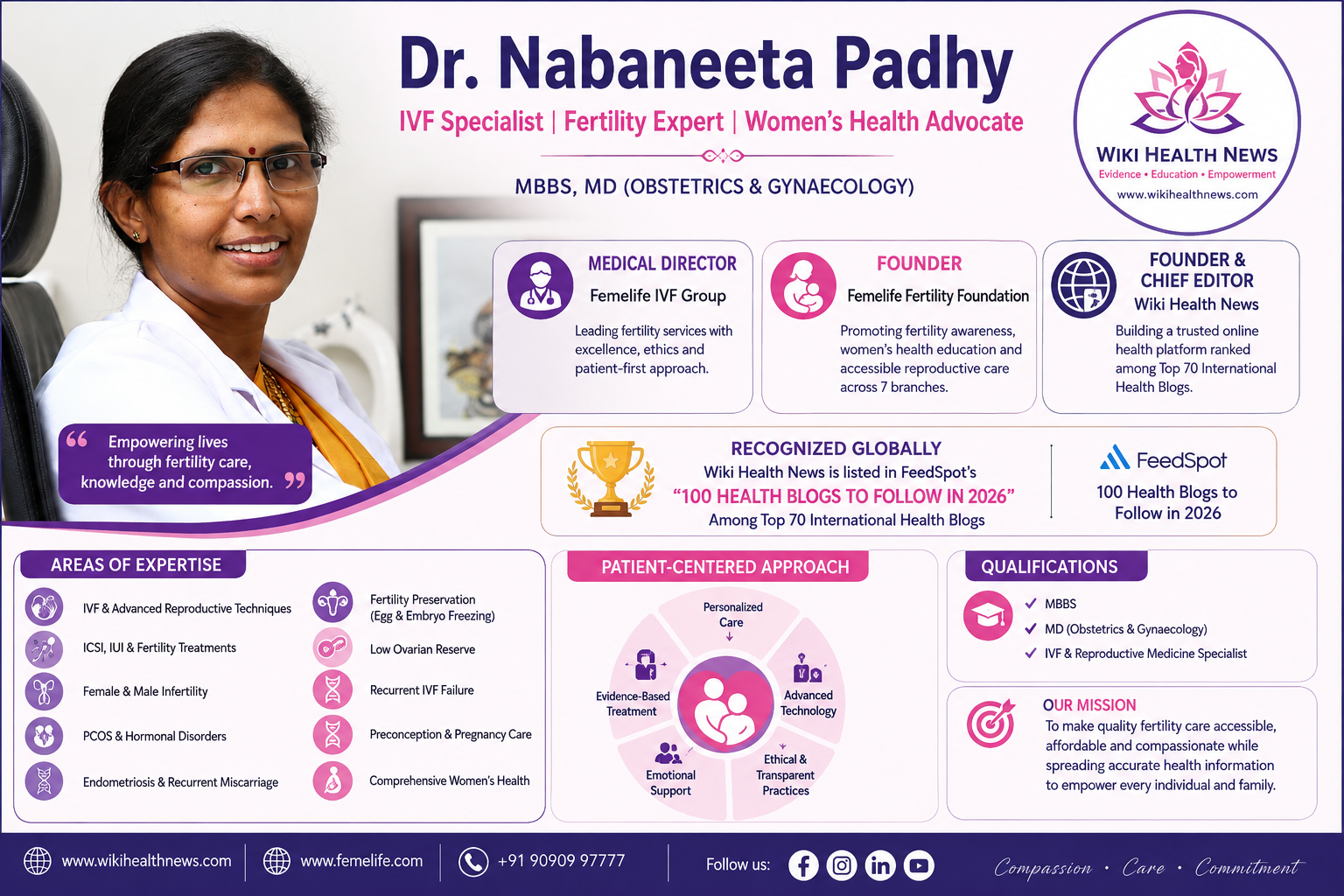
Dr. Nabaneeta Padhy – IVF Specialist