High-sensitivity Troponin (hs-cTnI/hs-cTnT)
High-sensitivity Troponin (hs-cTnI/hs-cTnT)
High-Sensitivity Troponin (hs-cTnI/hs-cTnT): What It Means, Normal Levels, Heart Attack Diagnosis & Interpretation
Meta Title:
Meta Description:
Focus Keyword:
SEO Keywords: hs-cTnI, hs-cTnT, high sensitivity troponin, troponin test, troponin levels, elevated troponin, heart attack test, cardiac troponin
What Is High-Sensitivity Troponin?
High-sensitivity cardiac troponin (hs-cTn) is one of the most important blood tests used to detect heart muscle injury. The two commonly measured forms are high-sensitivity cardiac troponin I (hs-cTnI) and high-sensitivity cardiac troponin T (hs-cTnT).
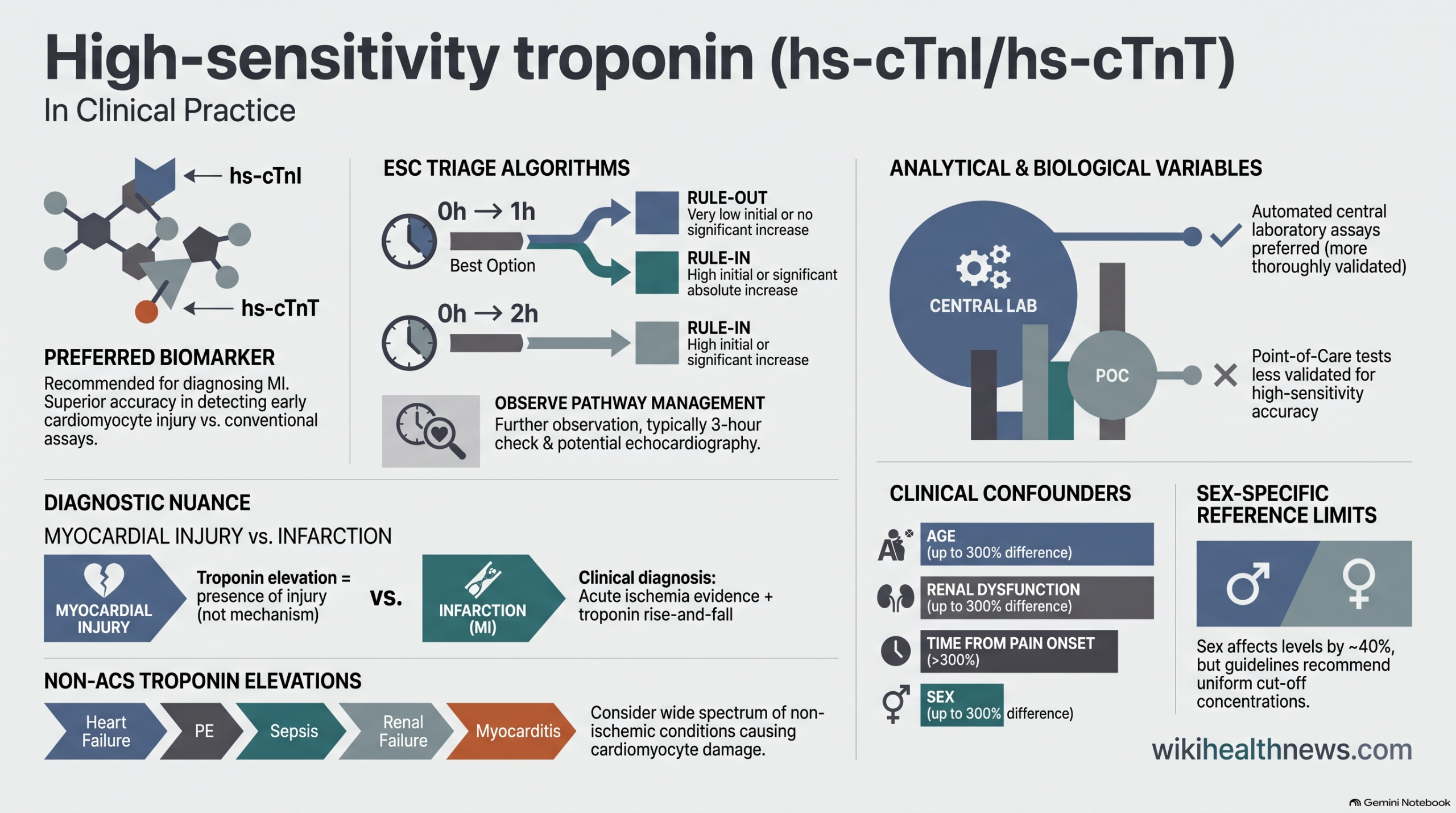
Troponin is a protein found inside heart muscle cells. When heart muscle cells are damaged, troponin can enter the bloodstream. High-sensitivity assays can detect very small concentrations of cardiac troponin, allowing doctors to identify myocardial injury earlier than older-generation tests.
Importantly, an elevated troponin does not automatically mean a heart attack. The result must be interpreted with symptoms, ECG findings, clinical history and changes in troponin over time.
Why Is hs-Troponin Important?
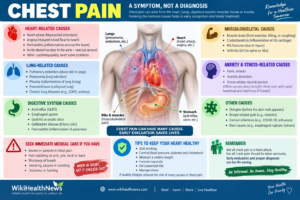
High-sensitivity troponin is particularly valuable in patients presenting with symptoms that could represent acute coronary syndrome, such as chest pain, pressure, shortness of breath, sweating, nausea or unexplained discomfort in the arm, jaw or upper abdomen.
Modern diagnostic pathways use serial hs-cTn measurements to determine whether troponin is stable, rising or falling.
A rising or falling pattern combined with evidence of myocardial ischemia may support the diagnosis of acute myocardial infarction (heart attack).
hs-cTnI vs hs-cTnT
Both hs-cTnI and hs-cTnT are cardiac-specific biomarkers used to detect myocardial injury.
The important difference is that reference ranges vary according to the specific assay and laboratory. Therefore, there is no single universal “normal troponin number” that applies to every hospital.
Doctors usually compare the measured concentration with the assay-specific 99th percentile upper reference limit (URL).
What Does an Elevated Troponin Mean?
An elevated hs-troponin means that myocardial injury is present or has occurred. It does not by itself establish the cause.
Possible causes include:
- Acute myocardial infarction
- Myocarditis
- Heart failure
- Tachyarrhythmias
- Pulmonary embolism
- Severe hypertension
- Sepsis or critical illness
- Renal dysfunction
- Significant anemia or hypoxia
- Structural heart disease
- Prolonged strenuous exercise in some situations
This is why troponin should always be interpreted in its clinical context.
Troponin and Heart Attack Diagnosis
A heart attack is diagnosed when there is evidence of acute myocardial injury, demonstrated by a rise and/or fall in cardiac troponin with at least one value above the assay’s 99th percentile, together with evidence of acute myocardial ischemia.
Evidence of ischemia may include:
- Typical ischemic symptoms
- New ischemic ECG changes
- New imaging evidence of loss of viable myocardium or new regional wall-motion abnormality
- Identification of a coronary thrombus in appropriate circumstances
Therefore, troponin alone should not be used to diagnose a heart attack.
Why Are Serial Troponin Tests Needed?
Troponin levels can change over time. A patient tested very soon after symptom onset may initially have a low or nondiagnostic result.
For this reason, emergency departments commonly use validated rapid serial hs-cTn algorithms. Depending on the clinical situation and assay, measurements may be repeated after a short interval.
The important information is often not simply the absolute value, but the pattern of change combined with the clinical presentation.
What Is a Normal hs-Troponin Level?
There is no single universal normal value for hs-cTnI or hs-cTnT.
The appropriate cutoff depends on:
- The specific laboratory assay
- Whether hs-cTnI or hs-cTnT is measured
- The assay’s validated 99th percentile
- Patient characteristics
- Clinical context
Some assays also use sex-specific reference limits.
Therefore, patients should avoid comparing their result directly with a value found online or from another laboratory.
High Troponin Does Not Always Mean a Blocked Artery
A patient can have elevated troponin without a coronary artery blockage. For example, myocarditis, pulmonary embolism, severe hypertension, heart failure and sepsis can cause myocardial injury.
Conversely, a patient with coronary artery disease may have an initially low troponin if testing occurs very early.
This is why physicians combine symptoms + ECG + serial hs-troponin + clinical assessment, and use imaging or coronary evaluation when indicated.
When Should You Seek Emergency Care?
If you develop new or severe chest pressure, chest pain, unexplained breathlessness, cold sweating, fainting, or pain spreading to the arm, shoulder, back, neck or jaw, seek urgent medical attention.
Do not wait for a troponin test at home or attempt to interpret symptoms using an online reference range.
Key Takeaway
High-sensitivity troponin (hs-cTnI/hs-cTnT) is a highly sensitive marker of heart muscle injury. An elevated result can occur with a heart attack but also with several other cardiac and systemic conditions.
The safest interpretation is based on the clinical presentation, ECG, assay-specific reference range and serial change in troponin rather than a single number.
Yes. Below is the hs-Troponin article section with the internal links embedded naturally in the text, rather than listed separately.
High-Sensitivity Troponin (hs-cTnI/hs-cTnT)
High-sensitivity troponin (hs-cTn) is one of the most important blood tests used when a patient presents with suspected acute coronary syndrome. It can detect very small amounts of cardiac troponin released after injury to heart muscle cells. When interpreted together with symptoms, ECG findings and serial measurements, hs-cTn helps doctors diagnose or exclude acute myocardial infarction.
Patients with possible heart attack symptoms such as chest pressure, breathlessness, sweating, nausea or unexplained weakness require prompt medical assessment. Symptoms can sometimes be atypical, particularly in women, older adults and people with diabetes. Learn more about heart attack symptoms in women and why early recognition matters.
What Is High-Sensitivity Troponin?
High-sensitivity cardiac troponin assays measure either cardiac troponin I (hs-cTnI) or cardiac troponin T (hs-cTnT). These proteins are released into the bloodstream when cardiac muscle cells are injured.
Unlike older cardiac biomarkers, high-sensitivity assays can detect much smaller concentrations of troponin. This allows clinicians to identify myocardial injury earlier and use validated rapid diagnostic pathways.
However, an elevated troponin level does not automatically mean that a person has had a heart attack. Troponin indicates myocardial injury; the diagnosis of myocardial infarction requires evidence that the injury is related to myocardial ischemia.
hs-cTnI vs hs-cTnT
Both hs-cTnI and hs-cTnT are highly sensitive markers of cardiac injury. Their numerical results should not be directly compared because different assays have different analytical characteristics and reference limits.
The laboratory’s assay-specific 99th-percentile upper reference limit should be used when interpreting the result.
Why Is hs-Troponin Important in Chest Pain?
When someone presents with possible acute coronary syndrome, clinicians usually combine:
- Medical history and symptoms
- Physical examination
- ECG
- Initial hs-cTn
- Repeat hs-cTn measurement
- Clinical risk assessment
- Additional imaging or coronary testing when appropriate
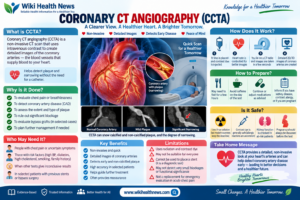
A patient with suspected coronary disease may also require evaluation for signs of blocked arteries in the heart, especially when symptoms, ECG or risk factors suggest ischemia.
For patients with cardiovascular risk factors, prevention remains important. Maintaining healthy blood pressure, cholesterol, glucose, weight, physical activity and diet can reduce future cardiovascular risk. Read more about heart disease prevention.
Why Are Troponin Tests Repeated?
A single troponin value may not provide enough information, particularly when testing occurs soon after symptom onset. Serial hs-cTn measurements help doctors determine whether the concentration is increasing or decreasing.
Rapid diagnostic pathways such as 0/1-hour and 0/2-hour algorithms use assay-specific concentrations and changes over time to help classify patients into rule-out, observation or rule-in pathways.
What Causes Elevated Troponin Besides Heart Attack?
Elevated hs-troponin can occur in many conditions, including:
- Acute myocardial infarction
- Heart failure
- Myocarditis
- Pulmonary embolism
- Severe hypertension
- Tachyarrhythmias
- Shock
- Severe anemia or hypoxemia
- Chronic kidney disease
- Critical illness
- Significant myocardial stress
Therefore, an elevated result must always be interpreted in the context of the patient’s symptoms and other investigations.
Can a Silent Heart Attack Cause Elevated Troponin?
Yes. A heart attack can occasionally occur without typical chest pain. Some people experience only breathlessness, unusual fatigue, sweating, nausea or mild discomfort.
Understanding silent heart attack symptoms is particularly important because delayed recognition can delay treatment.
If someone develops persistent chest pressure, severe breathlessness, fainting, unexplained sweating or other symptoms suggestive of an acute cardiac emergency, emergency heart care should be sought immediately.
hs-Troponin and Cholesterol Risk
High cholesterol contributes to atherosclerotic plaque formation and can increase the long-term risk of coronary artery disease. However, hs-troponin and cholesterol answer different clinical questions.
Troponin helps identify current or recent myocardial injury, whereas cholesterol testing helps assess longer-term cardiovascular risk.
For more information, see cholesterol and heart disease.
Frequently Asked Questions
1. What is high-sensitivity troponin?
High-sensitivity troponin is a blood biomarker that detects very small amounts of cardiac troponin released after myocardial injury.
2. What does hs-cTnI mean?
hs-cTnI means high-sensitivity cardiac troponin I.
3. What does hs-cTnT mean?
hs-cTnT means high-sensitivity cardiac troponin T.
4. What is the difference between hs-cTnI and hs-cTnT?
They measure different cardiac troponin proteins, and their numerical values are not directly interchangeable.
5. Does elevated troponin always mean a heart attack?
No. Elevated troponin indicates myocardial injury, which can occur with or without myocardial infarction.
6. What is the 99th percentile troponin value?
It is the assay-specific upper reference limit used to identify myocardial injury.
7. Why is troponin tested more than once?
Serial testing helps identify a rise or fall in troponin concentration.
8. Can kidney disease increase troponin?
Yes. Chronic kidney disease can be associated with persistently elevated troponin.
9. Can heart failure increase troponin?
Yes. Acute and chronic heart failure can cause myocardial injury and elevated troponin.
10. Can myocarditis increase troponin?
Yes. Inflammation and injury of the myocardium can increase cardiac troponin.
11. Can pulmonary embolism increase troponin?
Yes. Right-heart strain associated with pulmonary embolism can cause troponin elevation.
12. Can severe hypertension increase troponin?
Yes. Severe blood-pressure elevation can produce myocardial stress or injury.
13. Can exercise increase troponin?
Prolonged or intense exercise can sometimes produce a temporary troponin increase.
14. Can troponin be normal during an early heart attack?
Yes. Very early after symptom onset, troponin may not yet have risen sufficiently.
15. What is the 0/1-hour troponin algorithm?
It is an accelerated diagnostic pathway using hs-troponin measurements at presentation and approximately one hour later.
16. What is the 0/2-hour troponin algorithm?
It uses an initial hs-troponin measurement and another measurement approximately two hours later.
17. Is hs-troponin better than CK-MB?
For suspected acute myocardial injury, cardiac troponin is the preferred biomarker when an appropriate high-sensitivity assay is available.
18. Are hs-cTnI and hs-cTnT values interchangeable?
No. Different assays have different reference limits.
19. Are troponin cutoffs different for men and women?
Many hs-cTn assays have sex-specific reference limits because baseline concentrations can differ between women and men.
20. Does a high troponin mean a large heart attack?
Not necessarily. Troponin concentration should not be used alone to determine infarct size.
21. Can someone have a heart attack without chest pain?
Yes. Some myocardial infarctions present with atypical or minimal symptoms.
22. Can diabetes increase the risk of silent heart attack?
Diabetes is associated with an increased risk of atypical or unrecognized myocardial infarction.
23. Can anemia increase troponin?
Severe anemia can contribute to myocardial oxygen supply-demand imbalance and myocardial injury.
24. Can rapid heart rate increase troponin?
Sustained tachyarrhythmia can produce myocardial injury and elevated troponin.
25. Does an elevated troponin require coronary angiography?
Not automatically. Angiography depends on the overall clinical assessment, ECG, troponin pattern and probability of acute coronary syndrome.
26. What symptoms require urgent cardiac evaluation?
Persistent chest pressure, severe breathlessness, fainting, unexplained sweating or other concerning symptoms require urgent assessment.
27. Can hs-troponin help diagnose NSTEMI?
Yes. Serial hs-cTn measurements are central to diagnosing non-ST-elevation myocardial infarction when interpreted with evidence of myocardial ischemia.
28. What should I do if my troponin is elevated?
An elevated result should be reviewed promptly by a clinician because the cause may range from acute coronary syndrome to other forms of myocardial injury.
29. Can a normal troponin completely rule out heart disease?
No. Troponin is primarily a marker of myocardial injury. A normal value does not exclude stable coronary artery disease or other cardiovascular conditions.
30. What is the key message about hs-troponin?
Elevated hs-troponin means myocardial injury, not automatically myocardial infarction. The result must be interpreted with symptoms, ECG findings, serial changes and the overall clinical picture.
References
- Thygesen K, Alpert JS, Jaffe AS, et al. Fourth Universal Definition of Myocardial Infarction (2018). Circulation. 2018;138:e618-e651. https://www.ahajournals.org/doi/10.1161/CIR.0000000000000617
- Byrne RA, Rossello X, Coughlan JJ, et al. 2023 ESC Guidelines for the management of acute coronary syndromes. European Heart Journal. 2023;44:3720-3826. https://academic.oup.com/eurheartj/article/44/38/3720/7243210
- Gulati M, Levy PD, Mukherjee D, et al. 2021 AHA/ACC Guideline for the Evaluation and Diagnosis of Chest Pain. Circulation. 2021;144:e368-e454. https://www.ahajournals.org/doi/10.1161/CIR.0000000000001029
- Amsterdam EA, Wenger NK, Brindis RG, et al. 2014 AHA/ACC Guideline for the Management of Patients With Non-ST-Elevation Acute Coronary Syndromes. Circulation. 2014;130:e344-e426.
- Sandoval Y, Jaffe AS. Using high-sensitivity cardiac troponin for the rapid diagnosis of acute myocardial infarction. American Journal of Medicine.
- International Federation of Clinical Chemistry and Laboratory Medicine (IFCC), Committee on Clinical Application of Cardiac Biomarkers. Recommendations for high-sensitivity cardiac troponin testing and reporting.
Important Editorial Note
Reference ranges and diagnostic cutoffs for hs-cTnI and hs-cTnT are assay-specific. The laboratory’s reported reference range and the validated clinical pathway for that assay should always be followed. Troponin results should never be interpreted in isolation.
Medical Disclaimer: This article is for educational purposes and does not replace emergency assessment or individualized medical advice.