High-Sensitivity CRP (hs-CRP): What It Means, Normal Levels, Heart Disease Risk & How to Lower It
High-Sensitivity CRP (hs-CRP): What It Means, Normal Levels, Heart Disease Risk & How to Lower It
Meta Title: High-Sensitivity CRP (hs-CRP): Levels, Heart Risk & Management
Meta Description: Learn what high-sensitivity CRP (hs-CRP) means, normal levels, cardiovascular risk ranges, causes of elevation, and practical ways to reduce inflammation.
Focus Keyword: High-sensitivity CRP (hs-CRP)
SEO Keywords: hs-CRP test, hs-CRP levels, high hs-CRP, CRP heart disease risk, inflammation marker, cardiovascular risk, hs-CRP normal range
What Is High-Sensitivity CRP (hs-CRP)?
High-sensitivity C-reactive protein (hs-CRP) is a blood test that detects very small increases in C-reactive protein, an inflammatory protein produced mainly by the liver.
While standard CRP testing is commonly used to detect significant inflammation or infection, hs-CRP is sensitive enough to help assess low-grade inflammation and cardiovascular risk.
An elevated hs-CRP does not automatically mean that a person has heart disease. Instead, it can provide additional information when interpreted together with blood pressure, cholesterol, diabetes, smoking, family history, age, and other cardiovascular risk factors.
For a broader understanding of cardiovascular prevention, see our guide to Heart Disease Prevention and Risk Factors.
hs-CRP and Heart Disease Risk
Chronic low-grade inflammation may contribute to the development and progression of atherosclerosis, the buildup of plaque within arteries.
Higher hs-CRP levels have been associated with increased cardiovascular risk in some populations. Therefore, hs-CRP can sometimes be considered a risk-enhancing factor, particularly when a person’s overall cardiovascular risk is uncertain.
However, hs-CRP should never replace established cardiovascular assessment, including cholesterol measurement, blood pressure evaluation, diabetes screening, lifestyle assessment, and clinical history.
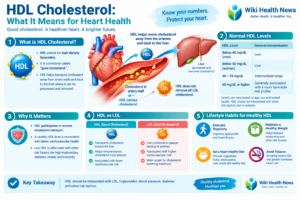
Understanding cholesterol is particularly important, so readers can also learn more about Cholesterol and Heart Disease.
hs-CRP Levels: What Do They Mean?
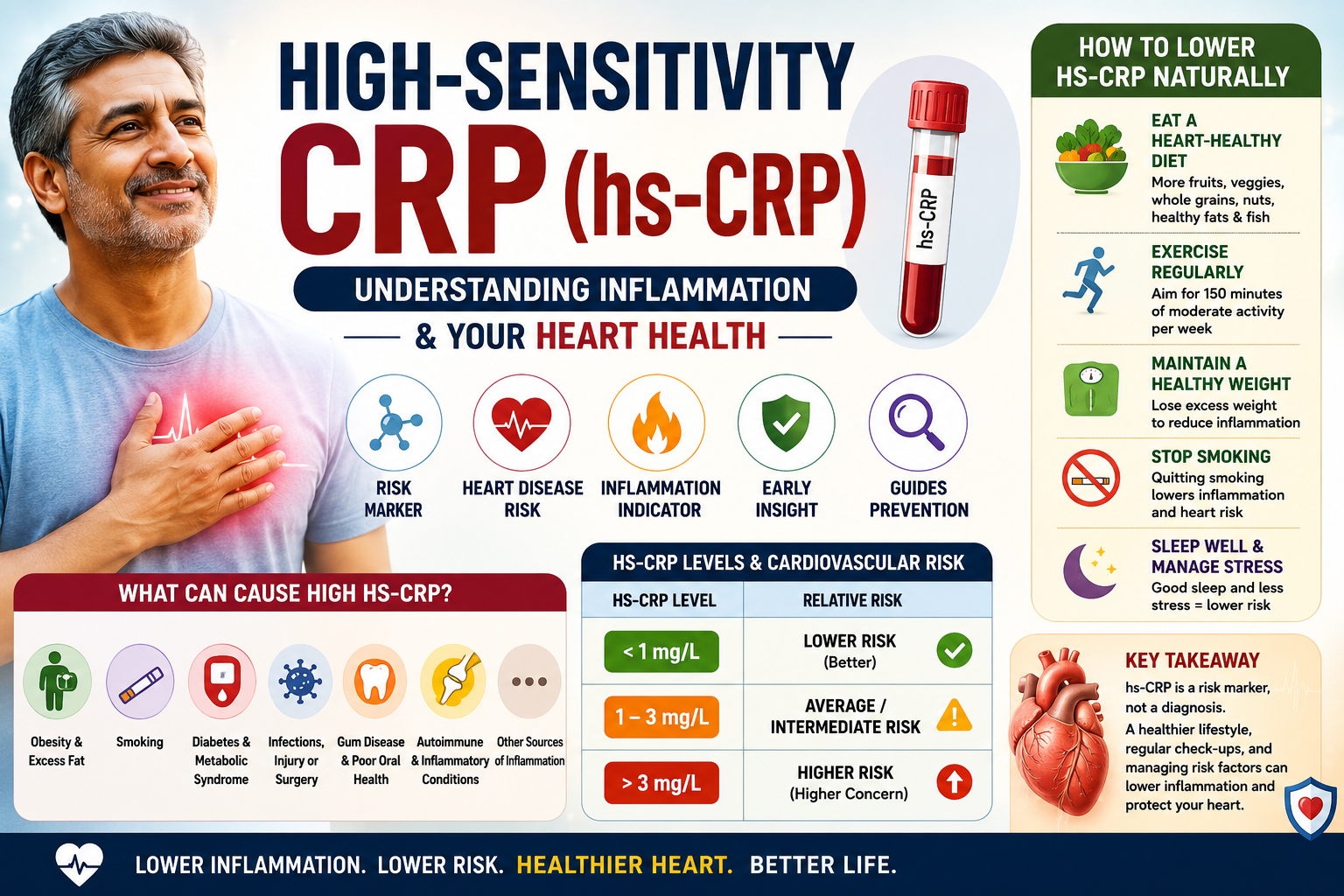
For cardiovascular risk assessment, hs-CRP is commonly interpreted approximately as:
| hs-CRP level | General cardiovascular risk |
|---|---|
| <1 mg/L | Lower relative risk |
| 1–3 mg/L | Average/intermediate relative risk |
| >3 mg/L | Higher relative risk |
These categories are intended for cardiovascular risk assessment and not for diagnosing infection.
A substantially elevated result may require evaluation for infection or another inflammatory condition rather than being interpreted solely as cardiovascular risk.
What Causes High hs-CRP?
An elevated hs-CRP can occur because of many conditions, including:
- Acute infection
- Recent surgery or injury
- Obesity
- Smoking
- Diabetes and metabolic dysfunction
- Periodontal disease
- Autoimmune or inflammatory conditions
- Metabolic syndrome
- Other sources of inflammation
A single elevated result therefore does not necessarily indicate chronic cardiovascular inflammation.
Can hs-CRP Be Lowered Naturally?
Several healthy lifestyle measures may help reduce chronic inflammation and cardiovascular risk.
1. Maintain a Healthy Weight
Excess abdominal fat is associated with chronic low-grade inflammation. Sustainable weight management can improve several cardiovascular and metabolic risk factors.
2. Follow a Heart-Healthy Diet
Emphasize vegetables, fruits, whole grains, legumes, nuts, seeds, fish and unsaturated fats while limiting highly processed foods, excess added sugars and unhealthy fats.
A practical approach is described in our guide to Healthy Heart in Everyday Living.
The DASH Diet and High Blood Pressure is another evidence-based eating pattern that emphasizes vegetables, fruits, whole grains and healthier sources of protein.
3. Exercise Regularly
Regular physical activity supports cardiovascular fitness, healthy body weight and metabolic health.
4. Stop Smoking
Smoking promotes inflammation and substantially increases cardiovascular risk.
5. Control Cholesterol and Triglycerides
Managing LDL cholesterol and triglycerides is an important component of cardiovascular prevention. Read How to Reduce Triglycerides Naturally for practical lifestyle strategies.
6. Control Blood Pressure and Blood Sugar
Hypertension and diabetes can substantially increase cardiovascular risk. Dietary and lifestyle approaches can complement appropriate medical treatment.
For more information, see High Blood Pressure Diet and Heart Disease Prevention.
When Should You Discuss hs-CRP With a Doctor?
An unexpectedly high hs-CRP should be discussed with a healthcare professional, especially when cardiovascular risk factors such as hypertension, diabetes, high cholesterol, smoking, obesity or a family history of premature cardiovascular disease are present.
If there are symptoms suggesting an acute cardiac emergency, hs-CRP should not delay urgent evaluation. Learn the warning signs in our Emergency Heart Care Guide.
Key Takeaway
High-sensitivity CRP (hs-CRP) is a risk marker, not a diagnosis. A high value may indicate increased inflammatory activity and cardiovascular risk, but it can also result from infection or other inflammatory conditions.
The best strategy for reducing cardiovascular risk is comprehensive prevention: healthy nutrition, regular exercise, healthy weight, smoking cessation, blood-pressure control, cholesterol management, diabetes prevention and appropriate medical follow-up.
Medical Disclaimer: This article is for educational purposes and does not replace individualized medical evaluation or treatment.
High-Sensitivity CRP (hs-CRP): 30 Frequently Asked Questions
1. What is high-sensitivity CRP (hs-CRP)?
hs-CRP is a blood test that detects small increases in C-reactive protein and can help assess cardiovascular risk.
2. What does CRP stand for?
CRP stands for C-reactive protein, an inflammatory protein produced primarily by the liver.
3. What is the difference between CRP and hs-CRP?
Standard CRP is generally used to identify more significant inflammation, while hs-CRP detects smaller elevations and can be useful for cardiovascular risk assessment.
4. What is a normal hs-CRP level?
For cardiovascular risk assessment, <1 mg/L is generally considered lower relative risk, 1–3 mg/L intermediate/average relative risk, and >3 mg/L higher relative risk.
5. Is hs-CRP below 1 mg/L good?
Generally, an hs-CRP below 1 mg/L is associated with lower relative cardiovascular risk.
6. What does hs-CRP above 3 mg/L mean?
It may indicate higher cardiovascular risk, but infection, obesity or another inflammatory condition can also increase the result.
7. Is hs-CRP of 10 mg/L dangerous?
A markedly elevated result should generally be evaluated for an acute inflammatory or infectious cause rather than interpreted solely as chronic cardiovascular risk.
8. Can high hs-CRP indicate a heart attack?
No. hs-CRP cannot diagnose an acute heart attack. Symptoms suggesting a heart attack require urgent assessment with appropriate cardiac tests.
For warning signs, read Heart Attack Symptoms in Women You Should Never Ignore.
9. Can hs-CRP predict heart disease?
It may help refine cardiovascular risk assessment but cannot predict heart disease with certainty.
10. Does high hs-CRP mean I have blocked arteries?
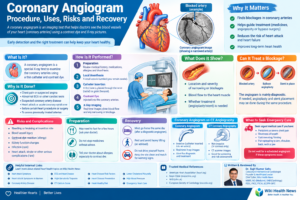
No. hs-CRP does not prove that coronary arteries are blocked. For more information, see Blocked Arteries in the Heart.
11. Can hs-CRP detect inflammation?
Yes. CRP is an inflammation marker, although it does not identify the specific source of inflammation.
12. What causes high hs-CRP?
Possible causes include infection, obesity, smoking, diabetes, recent surgery, injury, periodontal disease and inflammatory disorders.
13. Can obesity increase hs-CRP?
Yes. Excess visceral fat is associated with chronic low-grade inflammation and can contribute to elevated hs-CRP.
14. Does smoking increase hs-CRP?
Smoking can promote systemic inflammation and substantially increases cardiovascular risk.
15. Can diabetes increase hs-CRP?
Diabetes and metabolic dysfunction can be associated with increased inflammatory activity. Cardiovascular prevention should also address blood glucose and other risk factors.
16. Can high cholesterol increase hs-CRP?
Cholesterol abnormalities and inflammation are different but interconnected cardiovascular risk factors. Read Cholesterol and Heart Disease for more information.
17. Can exercise lower hs-CRP?
Regular physical activity can support healthy body weight, metabolic health and lower chronic inflammatory activity.
18. Can weight loss lower hs-CRP?
When excess body weight contributes to inflammation, sustainable weight loss may help reduce hs-CRP.
19. Can diet reduce hs-CRP?
A heart-healthy diet emphasizing plant foods, whole grains, legumes, nuts, seeds and fish may support healthier inflammatory and cardiovascular profiles.
20. Does poor sleep increase hs-CRP?
Poor sleep and sleep disorders may be associated with inflammation and cardiovascular risk. Persistent sleep problems should be discussed with a healthcare professional.
21. Should hs-CRP be tested during an infection?
An acute infection can substantially increase CRP and make the result unsuitable for assessing baseline cardiovascular risk.
22. Does hs-CRP require fasting?
Fasting is generally not specifically required for hs-CRP, although fasting may be recommended if cholesterol or other blood tests are performed at the same time.
23. How is the hs-CRP test performed?
It is a routine blood test involving collection of a small blood sample, usually from a vein.
24. How often should hs-CRP be tested?
There is no universal testing schedule. Repeat testing may be considered when an unexpectedly elevated result could affect cardiovascular risk assessment.
25. Can stress increase hs-CRP?
Chronic stress may be associated with inflammatory changes, but an elevated hs-CRP should not automatically be attributed to stress.
26. Can gum disease increase hs-CRP?
Periodontal disease can contribute to systemic inflammation and may be associated with elevated CRP.
27. Is hs-CRP useful if my cholesterol is normal?
It may provide additional cardiovascular-risk information because inflammation and cholesterol represent different aspects of cardiovascular health.
28. Can medication lower hs-CRP?
Some medications used to reduce cardiovascular risk can also reduce hs-CRP. Treatment should be based on the person’s overall medical risk rather than hs-CRP alone.
29. What should I do if my hs-CRP is high?
Discuss the result with your healthcare professional. They may assess for infection, inflammation and cardiovascular risk factors and determine whether repeat testing is appropriate.
For a broader prevention strategy, see Heart Disease Prevention: Risk Factors, Healthy Habits & Prevention Guide.
30. What is the most important thing to remember about hs-CRP?
hs-CRP is a risk marker, not a diagnosis. It should be interpreted alongside blood pressure, cholesterol, diabetes status, smoking, family history, lifestyle and overall cardiovascular risk.
For practical lifestyle measures, see Healthy Heart in Everyday Living and How to Reduce Triglycerides Naturally.
Medical Disclaimer: This FAQ is intended for general health education. hs-CRP results should be interpreted by a qualified healthcare professional in the context of the individual’s clinical history and other investigations.
This article is for educational purposes and does not replace individualized medical evaluation or treatment.
Author Card
Dr. Sujit Kumar Sahu, MD, DrNB (Cardiology), FACC, FESC, FSCAI
Consultant Interventional Cardiologist | Medical & Health Writer
Dr. Sujit Kumar Sahu is a Consultant Interventional Cardiologist with expertise in cardiovascular disease, coronary intervention, preventive cardiology, and heart-health education. He contributes medically reviewed, evidence-based health content designed to help readers understand cardiovascular risk factors, diagnostic tests, prevention, and treatment.
Medical Expertise: Interventional Cardiology • Preventive Cardiology • Coronary Artery Disease • Hypertension • Cardiovascular Risk Assessment
Reviewed for: Medical accuracy, clinical relevance, and patient-friendly presentation
Website: Wiki Health News
Medical Disclaimer: Content is intended for educational purposes and should not replace consultation with a qualified healthcare professional.