Lipid Profile Test: Cholesterol, LDL, HDL & Triglycerides
Lipid Profile: Complete Guide to Cholesterol Blood Tests and Heart Disease Risk
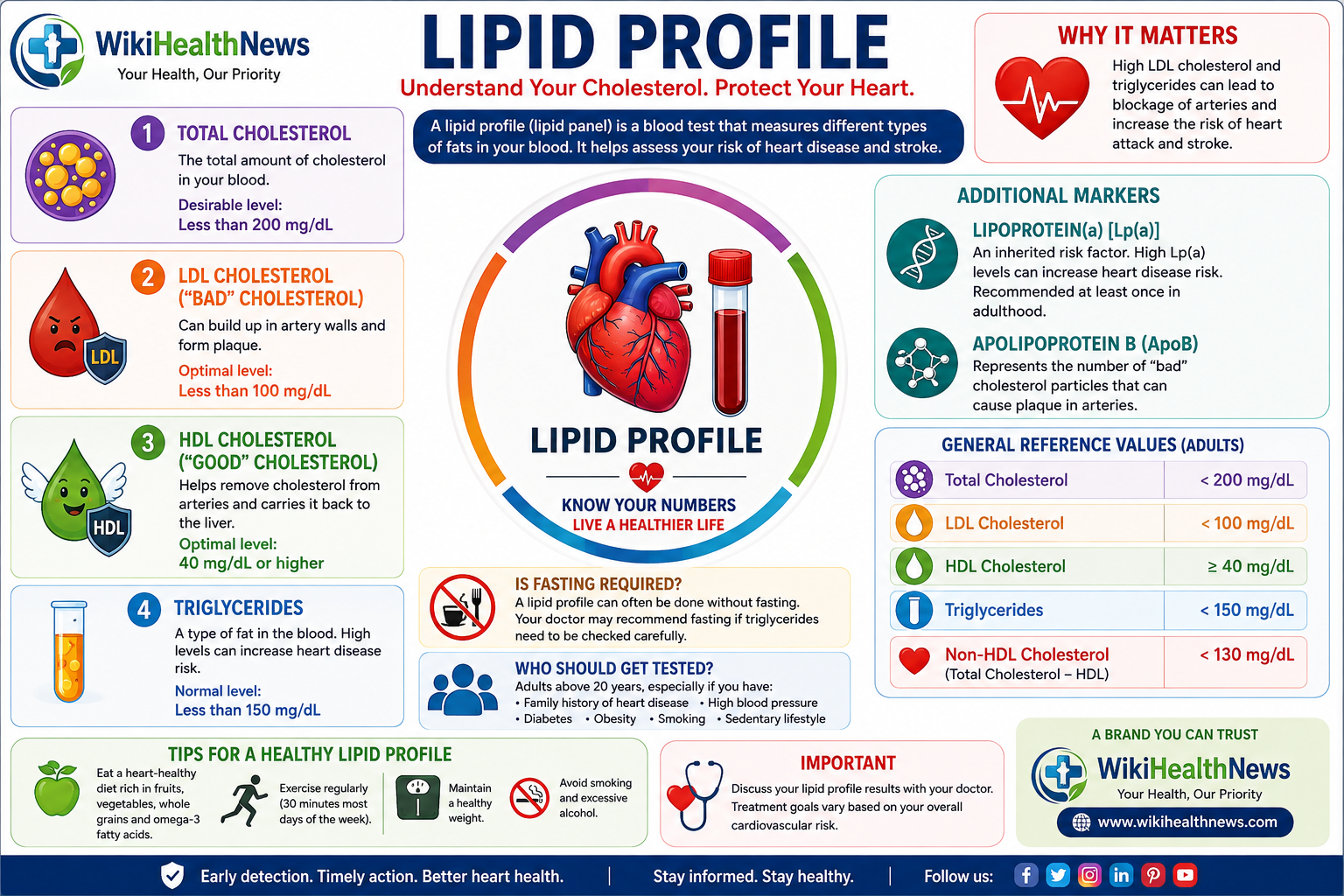
A lipid profile, also called a lipid panel or cholesterol test, is a blood test used to measure different types of fats and cholesterol in the blood. It is one of the most important tests for assessing the risk of heart disease, atherosclerosis, heart attack, and stroke. A lipid profile is also used to monitor the effectiveness of lifestyle changes and cholesterol-lowering treatment. (NHLBI, NIH)
What Does a Lipid Profile Measure?
A standard lipid profile generally includes:
- Total cholesterol: The total amount of cholesterol in the blood.
- LDL cholesterol: Often called “bad cholesterol,” LDL can contribute to cholesterol accumulation and plaque formation in artery walls.
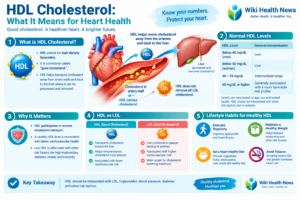
- HDL cholesterol: Often called “good cholesterol,” HDL participates in transporting cholesterol away from tissues.
- Triglycerides: A type of blood fat that can become elevated with obesity, diabetes, excess alcohol intake, and diets high in refined carbohydrates or calories.
- Non-HDL cholesterol: Calculated by subtracting HDL cholesterol from total cholesterol and represents several potentially atherogenic cholesterol-containing particles. (NHLBI, NIH)
Why Is a Lipid Profile Important?
High LDL cholesterol and other atherogenic lipoproteins can contribute to plaque buildup in the coronary arteries. Over time, this can narrow arteries and increase the risk of coronary artery disease and cardiovascular events.
The 2026 ACC/AHA dyslipidemia guideline emphasizes earlier identification and management of atherogenic lipids. It also recommends considering additional markers such as lipoprotein(a) [Lp(a)] and, in selected patients, apolipoprotein B (ApoB) to improve cardiovascular risk assessment. Lp(a) is recommended to be measured at least once in adulthood. (professional.heart.org)
Lipid Profile: General Reference Values
Laboratory ranges and treatment goals vary according to age, medical conditions, and overall cardiovascular risk. Commonly used adult reference values include:
| Test | General Reference |
|---|---|
| Total cholesterol | <200 mg/dL |
| LDL cholesterol | <100 mg/dL for many healthy adults |
| HDL cholesterol | Higher levels are generally favorable |
| Triglycerides | <150 mg/dL |
| Non-HDL cholesterol | <130 mg/dL in many healthy adults |
These are general reference values, not universal treatment targets. People with established cardiovascular disease, diabetes, chronic kidney disease, familial hypercholesterolemia, or other high-risk conditions may require substantially lower LDL-C targets. The 2026 guideline has reintroduced LDL-C and non-HDL-C treatment goals according to cardiovascular risk. (NHLBI, NIH)
Is Fasting Required?
A lipid profile can often be performed using a nonfasting blood sample. However, your clinician may recommend fasting in certain circumstances, particularly when triglycerides need careful assessment or when a previous result was abnormal. Follow the instructions provided by your healthcare professional or laboratory. (NHLBI, NIH)
Who Should Have a Lipid Profile?
Testing may be recommended based on age, family history, diabetes, obesity, high blood pressure, smoking, previous cardiovascular disease, or other risk factors. People with a family history of premature heart disease or very high cholesterol may need earlier or more frequent assessment. (NHLBI, NIH)
A lipid profile should not be interpreted in isolation. Doctors may combine cholesterol results with blood pressure, diabetes status, smoking history, family history, age, kidney function, and overall cardiovascular risk. When appropriate, additional investigations such as ECG, echocardiography, coronary artery calcium scoring, or other cardiac tests may be considered.
For more information, read our related articles on Blood Tests for Heart Disease and Heart Disease Prevention.
Key Takeaway
A lipid profile is a simple and valuable blood test for identifying cholesterol and triglyceride abnormalities associated with cardiovascular disease. Knowing your lipid numbers early can help guide nutrition, physical activity, weight management, and—when indicated—cholesterol-lowering medication. Always discuss your results with a qualified healthcare professional rather than interpreting a single number without considering your overall cardiovascular risk.
References
- American Heart Association. 2026 Guideline on the Management of Dyslipidemia. American Heart Association – 2026 Dyslipidemia Guideline
- National Heart, Lung, and Blood Institute. Blood Cholesterol—Diagnosis. NHLBI – Blood Cholesterol Diagnosis
- MedlinePlus. Lipid Profile Test. MedlinePlus – Lipid Profile Test
- American Heart Association. Top Things to Know: Guideline on the Management of Dyslipidemia. AHA – Dyslipidemia Guideline: Key Points
- National Heart, Lung, and Blood Institute. High Blood Triglycerides. NHLBI – High Blood Triglycerides
Cholesterol & Lipid Profile: 30 Frequently Asked Questions (FAQs)
1. What is a lipid profile?
A lipid profile is a blood test that measures different types of fats in the blood, mainly total cholesterol, LDL cholesterol, HDL cholesterol, and triglycerides.
2. What does a lipid profile test measure?
It generally measures total cholesterol, LDL-C, HDL-C, and triglycerides. Some reports also provide non-HDL cholesterol and calculated ratios.
3. What is total cholesterol?
Total cholesterol represents the overall amount of cholesterol in the blood. It includes cholesterol carried by LDL, HDL, and other lipoproteins.
4. What is LDL cholesterol?
LDL-C is commonly called “bad cholesterol.” Higher LDL levels are associated with increased risk of plaque buildup in the arteries and cardiovascular disease.
5. What is HDL cholesterol?
HDL-C is often called “good cholesterol.” HDL participates in the transport of cholesterol from tissues toward the liver.
6. What are triglycerides?
Triglycerides are a type of fat found in the blood. High triglyceride levels can contribute to cardiovascular risk and, when very high, can increase the risk of pancreatitis.
7. What is a normal LDL cholesterol level?
The appropriate LDL-C level depends on an individual’s overall cardiovascular risk. People at higher risk, particularly those with established cardiovascular disease, may require substantially lower LDL-C levels.
8. What is a healthy HDL cholesterol level?
HDL-C is generally considered more favorable at higher levels, but HDL should not be interpreted alone. Overall cardiovascular risk and LDL-C are more important for treatment decisions.
9. What is a normal triglyceride level?
In adults, fasting triglycerides below 150 mg/dL are generally considered desirable. Interpretation should take into account the clinical situation and whether the sample was fasting.
10. Is total cholesterol more important than LDL?
Usually, LDL-C and overall cardiovascular risk are more important than total cholesterol alone when assessing risk and deciding on treatment.
11. Do I need to fast before a lipid profile?
Not always. Many lipid profiles can be performed without fasting. However, fasting may be requested in certain situations, particularly when triglycerides are elevated or a clinician wants a fasting measurement.
12. How long should I fast before a cholesterol test?
If fasting has been specifically requested, laboratories commonly advise about 8–12 hours, with water generally permitted. Follow the instructions provided by your healthcare professional or laboratory.
13. Can I drink water before a lipid profile?
Yes. Plain water is generally acceptable during fasting. Avoid calorie-containing drinks unless your healthcare professional tells you otherwise.
14. Can I drink tea or coffee before a fasting lipid test?
If you have been instructed to fast, it is safest to avoid tea, coffee, sugar, milk, and other calorie-containing beverages until after the blood sample is collected.
15. Can I exercise before a lipid profile?
Intense exercise shortly before testing may affect some blood measurements. If you are having a fasting lipid profile, follow your laboratory’s instructions and avoid unusually strenuous exercise immediately beforehand.
16. How often should cholesterol be checked?
The frequency depends on age, cardiovascular risk factors, previous lipid results, medications, and medical history. Your doctor can determine an appropriate testing interval.
17. Can cholesterol be high without symptoms?
Yes. High cholesterol usually causes no symptoms. A blood test is needed to identify abnormal cholesterol levels.
18. Can high cholesterol cause a heart attack?
Persistently elevated atherogenic cholesterol, particularly LDL-C, contributes to plaque formation in arteries and increases the risk of heart attack and stroke.
19. Can high cholesterol cause a stroke?
Yes. High levels of atherogenic cholesterol can contribute to atherosclerosis, which can increase the risk of ischemic stroke.
20. Can diet lower cholesterol?
Yes. A heart-healthy dietary pattern can help improve cholesterol levels. Increasing soluble fiber and replacing saturated fats with unsaturated fats can be beneficial.
21. Which foods can help lower LDL cholesterol?
Foods rich in soluble fiber, such as oats, barley, beans, lentils, fruits, and vegetables, can help. Nuts, seeds, and unsaturated vegetable oils can also be part of a heart-healthy diet.
22. Which foods can increase LDL cholesterol?
Diets high in saturated and trans fats can raise LDL-C. Examples include fatty processed meats, some fried foods, and foods containing partially hydrogenated oils.
23. Can exercise improve cholesterol?
Regular physical activity can improve cardiovascular health and may help lower triglycerides and improve HDL-C, while supporting healthy body weight.
24. Can cholesterol be high even if I am thin?
Yes. Body weight is only one factor. Genetics, diet, age, certain medical conditions, and medications can affect cholesterol levels.
25. Is high cholesterol hereditary?
Yes. Genetics can strongly influence cholesterol levels. Familial hypercholesterolemia (FH) is an inherited condition that can cause very high LDL-C and premature cardiovascular disease.
26. Can medications lower cholesterol?
Yes. Depending on cardiovascular risk and cholesterol levels, doctors may prescribe medicines such as statins, ezetimibe, PCSK9-targeting therapies, or other lipid-lowering treatments.
27. Should everyone with high cholesterol take a statin?
Not necessarily. Treatment depends on LDL-C level, cardiovascular risk, age, existing cardiovascular disease, diabetes, familial hypercholesterolemia, and other factors. A healthcare professional should assess the individual’s overall risk.
28. What is non-HDL cholesterol?
Non-HDL cholesterol is calculated by subtracting HDL-C from total cholesterol. It represents cholesterol carried by several potentially atherogenic lipoproteins and can be useful for cardiovascular risk assessment.
29. What should I do if my lipid profile is abnormal?
Do not interpret one result in isolation. Discuss the report with your healthcare professional, who can assess your cardiovascular risk and recommend lifestyle changes, repeat testing, or medication when appropriate.
30. Is a lipid profile enough to assess heart disease risk?
No. A lipid profile is an important part of cardiovascular risk assessment, but risk also depends on factors such as age, blood pressure, diabetes, smoking, family history, kidney disease, and previous cardiovascular disease.
Medical note: Reference ranges can vary between laboratories, and cholesterol targets should be individualized according to cardiovascular risk. These FAQs are for educational purposes and do not replace medical advice.