Blood Tests for Heart Disease
Blood Tests for Heart Disease
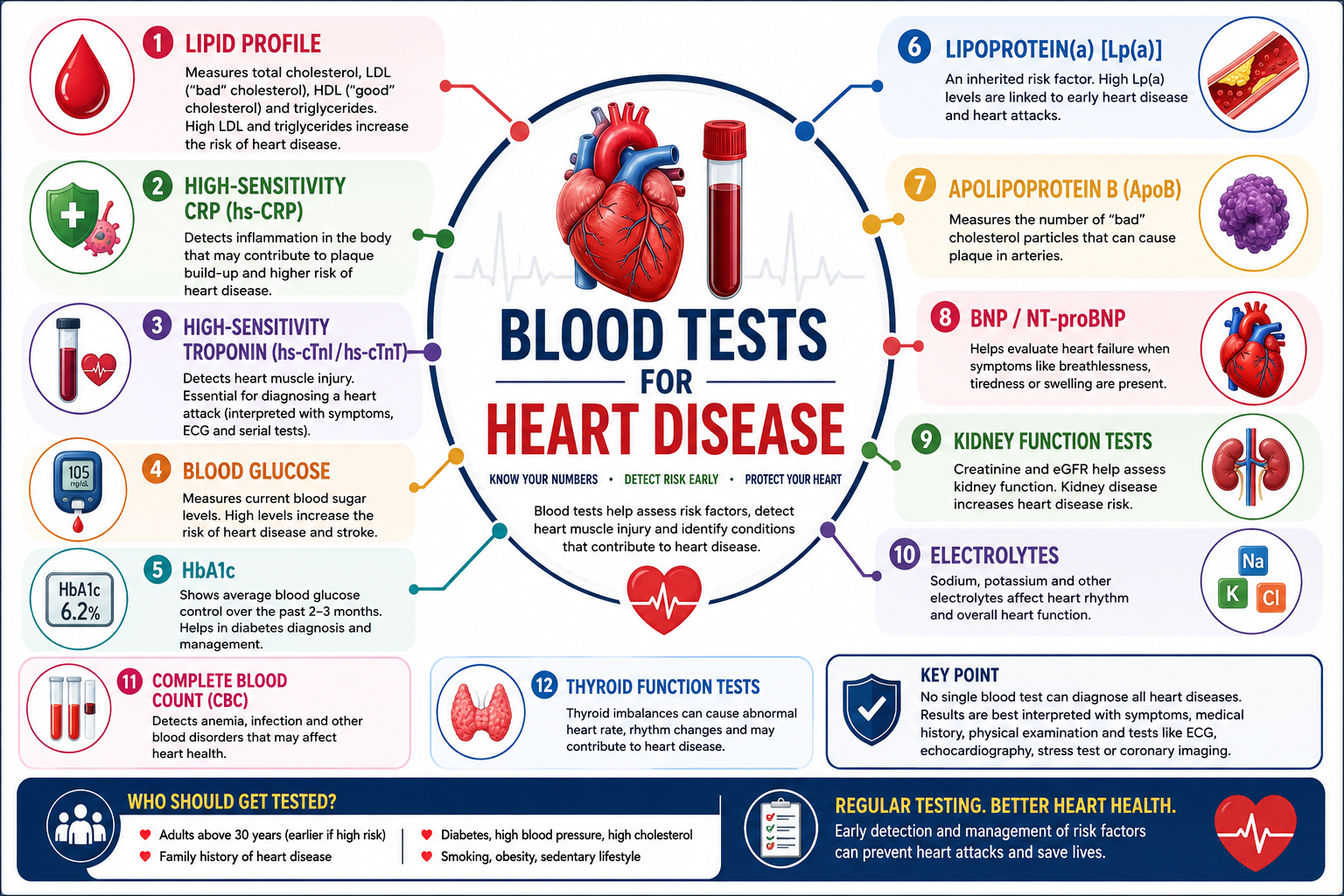
heart disease risk, detect heart muscle injury, and identify conditions that contribute to cardiovascular disease.
Important Blood Tests
| Blood Test | What It Helps Assess |
|---|---|
| Lipid Profile | Total cholesterol, LDL (“bad” cholesterol), HDL (“good” cholesterol), and triglycerides |
| High-sensitivity CRP (hs-CRP) | Inflammation associated with cardiovascular risk |
| High-sensitivity Troponin (hs-cTnI/hs-cTnT) | Heart muscle injury, especially during suspected heart attack |
| Blood Glucose | Current blood glucose level and diabetes risk |
| HbA1c | Average blood glucose over approximately 2–3 months |
| Lipoprotein(a) [Lp(a)] | Inherited cardiovascular risk; particularly useful when there is premature heart disease in the family |
| Apolipoprotein B (ApoB) | Measures the number of atherogenic lipoprotein particles |
| BNP / NT-proBNP | Helps evaluate heart failure when symptoms such as breathlessness or swelling are present |
| Kidney Function Tests | Creatinine and eGFR help assess kidney function, an important cardiovascular risk factor |
| Electrolytes | Sodium, potassium and other electrolytes can influence cardiac function and rhythm |
| Complete Blood Count (CBC) | Can identify anemia and other abnormalities that may affect cardiovascular health |
| Thyroid Function Tests | Thyroid disorders can contribute to abnormal heart rate, rhythm and cardiovascular risk |
Key Point
No single blood test can diagnose all types of heart disease. Blood tests are usually interpreted together with symptoms, medical history, blood pressure, physical examination and, when indicated, tests such as ECG, echocardiography, stress testing or coronary imaging.
Blood Tests for Heart Disease
Blood tests play an important role in heart disease screening, cardiovascular risk assessment, and diagnosis of certain cardiac conditions. They cannot detect every type of heart disease on their own, but they provide valuable information when combined with medical history, examination, blood pressure measurement, ECG, and appropriate cardiac imaging.
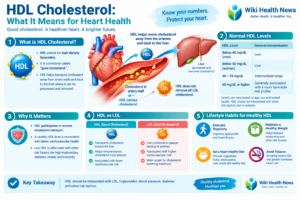
A lipid profile is one of the most commonly used blood tests. It measures total cholesterol, LDL cholesterol, HDL cholesterol, and triglycerides. Elevated LDL cholesterol is strongly associated with atherosclerosis and cardiovascular disease. The 2026 ACC/AHA dyslipidemia guideline also emphasizes additional markers such as lipoprotein(a) [Lp(a)] and, in selected patients, apolipoprotein B (ApoB) for more individualized risk assessment. (professional.heart.org)
Blood glucose and HbA1c help identify diabetes and abnormal glucose metabolism, both important cardiovascular risk factors. High-sensitivity C-reactive protein (hs-CRP) may provide additional information about inflammation and cardiovascular risk in selected individuals. (www.heart.org)
When a heart attack is suspected, high-sensitivity cardiac troponin (hs-cTnI or hs-cTnT) is particularly important because it detects heart muscle injury. It is interpreted together with symptoms, ECG findings, and serial measurements rather than as an isolated result. (professional.heart.org)
Other blood tests may include BNP or NT-proBNP when heart failure is suspected, along with kidney function, electrolytes, thyroid function, and complete blood count depending on the clinical situation.
For prevention, regular cardiovascular risk assessment can identify high cholesterol, diabetes, hypertension, and other modifiable factors before serious complications occur. Learn more about Heart Disease Prevention and Cholesterol and Heart Disease. (NHLBI, NIH)
❤️ BLOOD TESTS FOR HEART DISEASE
“Know Your Numbers • Detect Risk Early • Protect Your Heart”
Here are the updated clickable reference links for your article:
References
- American Heart Association. 2026 Guideline on the Management of Dyslipidemia. (professional.heart.org)
- National Heart, Lung, and Blood Institute. Blood Cholesterol—Diagnosis. (NHLBI, NIH)
- American Heart Association. High-Sensitivity C-Reactive Protein. (www.heart.org)
- American Heart Association. Guideline for the Evaluation and Diagnosis of Chest Pain. (professional.heart.org)
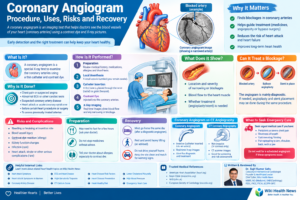
- National Heart, Lung, and Blood Institute. Coronary Heart Disease—Diagnosis. (NHLBI, NIH)
- American Heart Association. 2026 Guideline on the Management of Dyslipidemia. American Heart Association – 2026 Dyslipidemia Guideline (professional.heart.org)
- National Heart, Lung, and Blood Institute (NHLBI). Blood Cholesterol—Diagnosis. NHLBI – Blood Cholesterol Diagnosis (NHLBI, NIH)
- American Heart Association. High-Sensitivity C-Reactive Protein (hs-CRP). American Heart Association – hsCRP Test (www.heart.org)
- American Heart Association. 2021 Guideline for the Evaluation and Diagnosis of Chest Pain. American Heart Association – Chest Pain Guideline (professional.heart.org)
- National Heart, Lung, and Blood Institute (NHLBI). Coronary Heart Disease—Diagnosis. NHLBI – Coronary Heart Disease Diagnosis (NHLBI, NIH)
Note: Reference #1 has been updated appropriately to the 2026 ACC/AHA dyslipidemia guideline, which replaced the 2018 blood cholesterol guideline. (professional.heart.org)
Cardiovascular risk assessment should consider factors such as cholesterol, blood pressure, blood glucose, lifestyle and family history. For women, conditions such as PCOS may also be associated with metabolic and cardiovascular risk. Learn more about preventive cardiology and heart-health factors in women from Femelife.