Kidney Function Tests (KFT): Complete Guide
Kidney Function Tests (KFT): Complete Guide
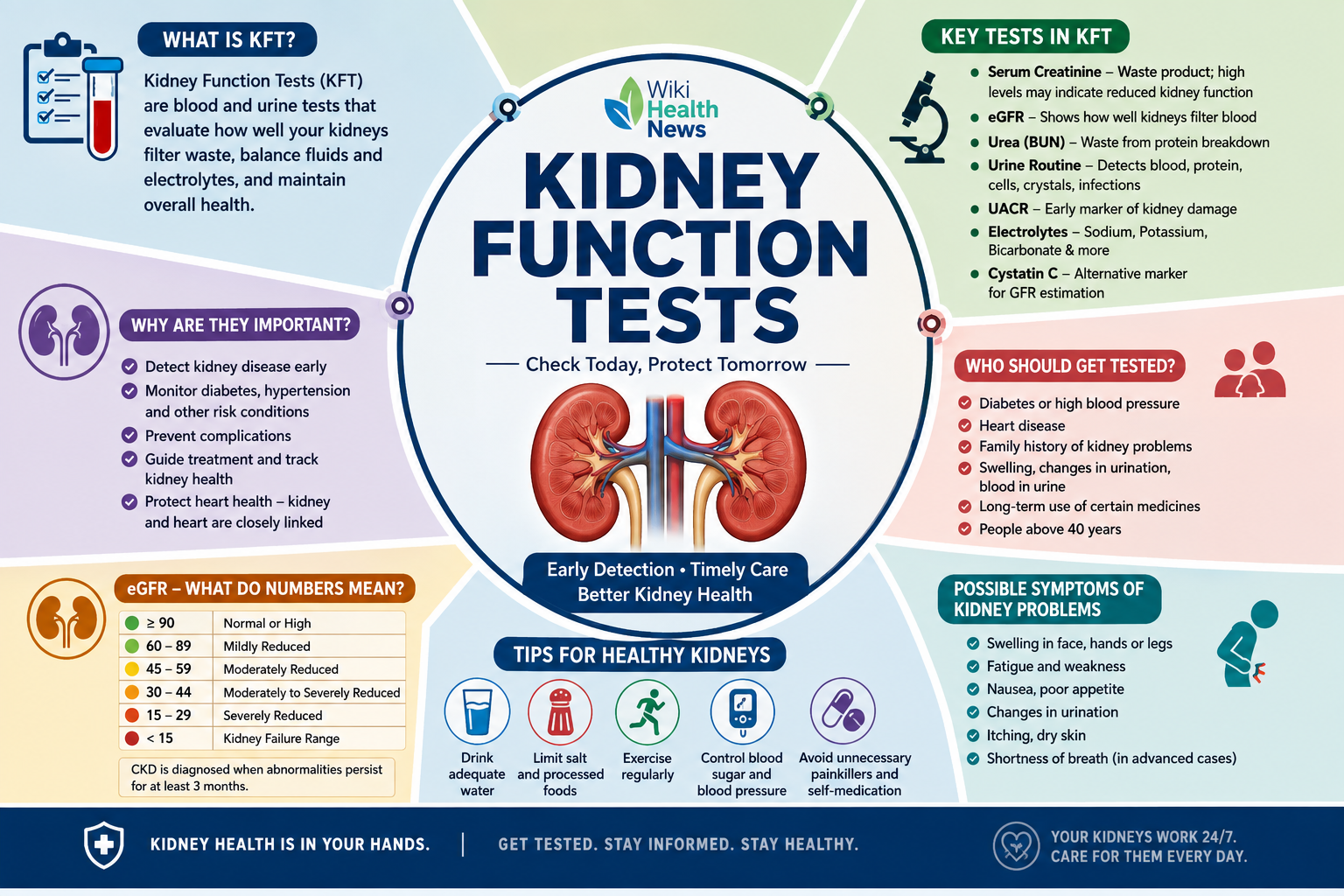
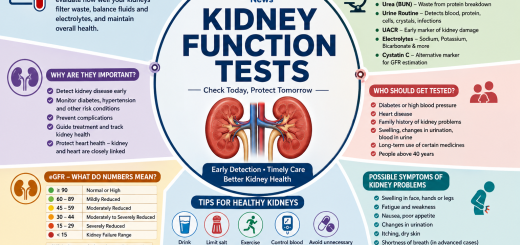
Kidney Function Tests (KFT) are a group of blood and urine tests used to assess how well the kidneys are filtering waste, maintaining fluid and electrolyte balance, and regulating important body functions. They are commonly used to detect chronic kidney disease (CKD), acute kidney injury (AKI), diabetic kidney disease, hypertension-related kidney damage, and other renal disorders.
What Are Kidney Function Tests?
The main tests include:
| Test | What it measures | Why it matters |
|---|---|---|
| Serum Creatinine | Waste product filtered by kidneys | Elevated levels may indicate reduced kidney filtration |
| eGFR | Estimated kidney filtration capacity | Key measure for assessing kidney function and CKD stage |
| Blood Urea Nitrogen (BUN)/Urea | Nitrogenous waste in blood | Can increase with reduced kidney function, dehydration, or high protein intake |
| Urine Routine/Microscopy | Blood, protein, cells, crystals, etc. | Detects kidney and urinary tract abnormalities |
| Urine Albumin-to-Creatinine Ratio (UACR) | Albumin leakage into urine | Important early marker of kidney damage |
| Electrolytes | Sodium, potassium and other minerals | Helps identify kidney-related electrolyte disturbances |
| Cystatin C | Alternative filtration marker | May improve estimation of GFR in selected patients |
1. Serum Creatinine
Creatinine is produced from normal muscle metabolism and is eliminated mainly by the kidneys. When kidney filtration decreases, creatinine generally rises.
However, creatinine is influenced by age, muscle mass, diet and certain medications, so it should not be interpreted alone.
2. eGFR
Estimated glomerular filtration rate (eGFR) estimates how efficiently the kidneys filter blood.
A commonly used interpretation is:
- ≥90: Normal or high, although kidney disease can still be present if other markers of kidney damage exist
- 60–89: Mildly reduced
- 45–59: Moderately reduced
- 30–44: Moderately to severely reduced
- 15–29: Severely reduced
- <15: Kidney failure range
Importantly, CKD generally requires abnormalities to persist for at least 3 months, rather than relying on a single abnormal result.
3. Urine Albumin-to-Creatinine Ratio
The UACR detects small amounts of albumin leaking through the kidney’s filtration barrier.
Generally:
- <30 mg/g: Normal to mildly increased
- 30–300 mg/g: Moderately increased albuminuria
- >300 mg/g: Severely increased albuminuria
UACR is particularly important in people with diabetes, hypertension, cardiovascular disease, or suspected CKD.
4. Urea/BUN
Urea is another waste product removed by the kidneys. Increased levels can occur with impaired kidney function, but also with dehydration, gastrointestinal bleeding, high protein intake, or increased tissue breakdown.
Therefore, urea should be interpreted together with creatinine and the clinical situation.
5. Electrolytes
Kidneys regulate electrolytes such as potassium, sodium and bicarbonate. Significant kidney dysfunction can cause abnormalities, particularly high potassium, which may become dangerous if severe.
When Should Kidney Function Be Tested?
Testing may be appropriate for people with:
- Diabetes
- High blood pressure
- Heart disease
- Swelling of the legs or face
- Changes in urine quantity or appearance
- Blood in urine
- Recurrent urinary problems
- Family history of kidney disease
- Long-term use of potentially kidney-affecting medicines
- Unexplained fatigue, nausea or loss of appetite
- Suspected acute kidney injury
Kidney Function and Heart Health
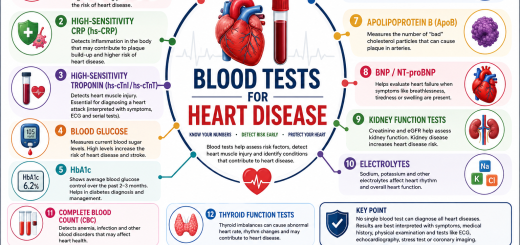
Kidney and cardiovascular health are closely connected. CKD increases cardiovascular risk, while heart failure, hypertension and vascular disease can also contribute to kidney dysfunction. Regular assessment of creatinine, eGFR and urine albumin can therefore be an important part of cardiovascular risk management.
Key Takeaway
A Kidney Function Test is not just a creatinine test. A meaningful assessment often combines serum creatinine/eGFR, urine albumin (UACR), urinalysis and electrolytes, interpreted alongside the patient’s age, medical history, medications and clinical condition.
Important: A single abnormal kidney test does not automatically mean chronic kidney disease. Repeat testing and clinical evaluation may be necessary.
SEO Meta Description
Kidney Function Tests (KFT): Learn about creatinine, eGFR, urea, UACR, urine tests and electrolytes, normal ranges, importance, and when kidney testing is recommended.
SEO Title
Kidney Function Tests (KFT): Types, Normal Ranges & Importance
Suggested Slug
kidney-function-tests-kft
FAQs: Kidney Function Tests (KFT)
1. What are Kidney Function Tests?
Kidney Function Tests (KFT) are blood and urine investigations that assess how well the kidneys filter waste, regulate electrolytes, and maintain fluid balance.
2. What is included in a KFT?
Common components include serum creatinine, eGFR, urea/BUN, sodium, potassium, bicarbonate, and sometimes urine examination and urine albumin-to-creatinine ratio (UACR).
3. Why is a kidney function test done?
KFTs help detect kidney dysfunction, monitor known kidney disease, assess medication effects, and evaluate people at increased risk of kidney problems.
4. What is serum creatinine?
Creatinine is a waste product produced by muscles and normally removed from the bloodstream by the kidneys.
5. What does a high creatinine level mean?
A high creatinine may indicate reduced kidney filtration, but it can also occur because of dehydration, increased muscle mass, certain medicines, or other conditions.
6. What is eGFR?
Estimated glomerular filtration rate (eGFR) estimates how efficiently the kidneys filter blood and is one of the main measures used to assess kidney function.
7. What is a normal eGFR?
An eGFR of 90 or higher is generally considered normal or high, although kidney disease can still exist if other evidence of kidney damage is present.
8. Is an eGFR below 60 always kidney disease?
Not necessarily after a single test. Persistent eGFR below 60 for at least three months can indicate chronic kidney disease and requires medical evaluation.
9. What is urea?
Urea is a waste product produced when the body breaks down proteins. The kidneys normally remove it from the blood through urine.
10. What causes high urea?
High urea can occur with impaired kidney function, dehydration, high protein intake, gastrointestinal bleeding, or increased tissue breakdown.
11. What is UACR?
Urine albumin-to-creatinine ratio (UACR) measures albumin leakage into the urine and can identify kidney damage at an early stage.
12. What is a normal UACR?
A UACR of less than 30 mg/g is generally considered normal to mildly increased.
13. Why is urine protein important?
Protein or albumin in urine can indicate damage to the kidney’s filtering units, particularly when it persists on repeat testing.
14. Can diabetes affect kidney function?
Yes. Diabetes can damage the kidney’s small blood vessels and is an important cause of chronic kidney disease. Regular eGFR and UACR testing is recommended for people with diabetes.
15. Can high blood pressure damage the kidneys?
Yes. Long-standing or poorly controlled hypertension can damage kidney blood vessels and contribute to chronic kidney disease.
16. Can kidney disease cause high blood pressure?
Yes. Kidney disease can contribute to hypertension, creating a cycle in which high blood pressure can further damage the kidneys.
17. Does heart disease affect kidney function?
Yes. Heart and kidney health are closely connected. Heart failure and other cardiovascular conditions can contribute to reduced kidney function.
18. Can dehydration increase creatinine?
Yes. Significant dehydration can temporarily reduce kidney blood flow and cause creatinine and urea levels to rise.
19. Does exercise affect creatinine?
Intense exercise can temporarily influence creatinine levels, particularly in people with substantial muscle mass.
20. Can medicines affect kidney function tests?
Yes. Some medicines can alter creatinine or directly affect kidney function. Always inform your doctor about prescription medicines, over-the-counter drugs, and supplements.
21. Is fasting required for a KFT?
Usually, fasting is not required for basic kidney function tests, but requirements may differ when KFTs are ordered together with other blood tests.
22. How often should kidney function be tested?
The frequency depends on age, medical conditions, medications, previous results, and kidney-disease risk. People with diabetes, hypertension, or established CKD may need regular monitoring.
23. What are symptoms of reduced kidney function?
Early kidney disease may cause no symptoms. Advanced disease can cause swelling, fatigue, nausea, reduced appetite, changes in urination, itching, or shortness of breath.
24. Can kidney disease exist with normal creatinine?
Yes. Early kidney damage, particularly albuminuria, can occur even when serum creatinine and eGFR are still relatively normal.
25. What is a urine routine examination?
Urinalysis can detect blood, protein, glucose, cells, crystals, and other abnormalities that may provide clues about kidney or urinary tract disease.
26. Is high potassium related to kidney disease?
It can be. The kidneys help remove potassium, so significant kidney dysfunction may cause potassium to accumulate. Severe hyperkalemia can be a medical emergency.
27. Can kidney function improve?
Some causes of kidney dysfunction, such as dehydration or certain acute kidney injuries, can improve with appropriate treatment. Chronic kidney disease may not be completely reversible but can often be slowed with proper management.
28. What happens if kidney function is severely reduced?
Severe kidney dysfunction requires medical assessment and monitoring. Depending on the cause and severity, treatment may include medication, dietary management, management of complications, and in advanced cases, dialysis or kidney transplantation.
29. Which specialist treats kidney problems?
A nephrologist specializes in kidney diseases. Your primary-care doctor or other specialist may also evaluate abnormal kidney-function results and refer you when necessary.
30. Should I worry about one abnormal KFT result?
Not necessarily. Results should be interpreted in context, and an abnormal result may need repeat testing to determine whether the change is temporary or persistent.
Kidney Function Tests (KFT) are important investigations used to check how effectively the kidneys remove waste and maintain fluid and electrolyte balance. Common tests include serum creatinine, eGFR, urea, urine routine examination, urine albumin-to-creatinine ratio (UACR), sodium and potassium. Regular kidney testing is especially important for people with diabetes, high blood pressure, heart disease, or a family history of kidney problems. Understanding your results can help detect kidney disease early and guide appropriate treatment. Learn more about High Blood Pressure, Diabetes, Heart Failure, and High-Sensitivity CRP for better overall health management.
Author Card — Dr. Sujit Kumar Sahu
Dr. Sujit Kumar Sahu
Consultant Interventional Cardiologist
Qualifications: MBBS, MD (General Medicine), DrNB (Cardiology)
Special Interest: Preventive Cardiology, Cardiovascular Risk Assessment, Interventional Cardiology & Heart Health Education
Dr. Sujit Kumar Sahu is a Consultant Interventional Cardiologist with an interest in patient education, cardiovascular disease prevention, and evidence-based health information. His educational content focuses on helping readers understand common medical tests, cardiovascular risk factors, heart disease prevention, and practical approaches to maintaining better health.
Medical Disclaimer: This article is intended for general educational purposes and does not replace consultation with a qualified healthcare professional. Individual test results should always be interpreted in the context of the patient’s clinical history and examination.

![Lipoprotein(a) [Lp(a)]](https://wikihealthnews.com/wp-content/uploads/2026/08/Understanding_Lipoproteina_Cardiovascular_Risk-scaled-e1787719701457-520x245.png)