Planning for Pregnancy? 15 Things to Do Before You Conceive
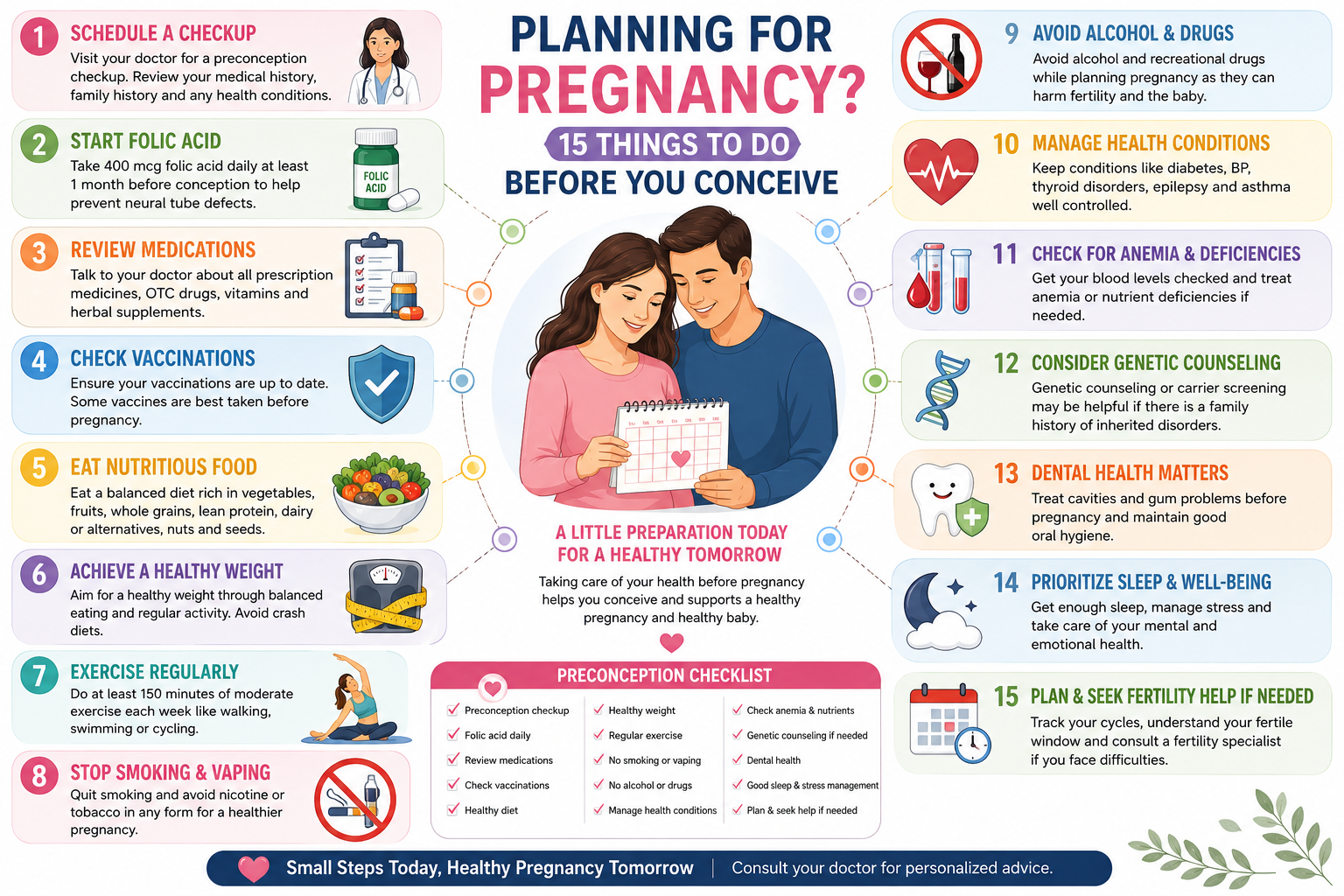
Planning for Pregnancy? 15 Things to Do Before You Conceive
Planning for pregnancy gives you an opportunity to improve your health before conception and address potential risks early. Preconception care includes medical checkups, nutrition, folic acid supplementation, vaccination review, medication assessment, healthy lifestyle changes, and management of existing medical conditions. The CDC recommends taking steps before pregnancy to improve the health of both the mother and future baby. (CDC)
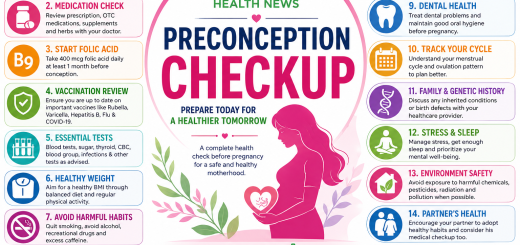
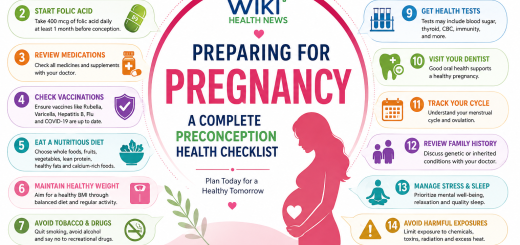
1. Schedule a Preconception Checkup
Make an appointment with your obstetrician-gynaecologist or fertility specialist before trying to conceive. Discuss your medical history, previous pregnancies, menstrual cycles, family history, current health conditions, medications, supplements, and lifestyle.
Conditions such as diabetes, hypertension, thyroid disorders, anemia, and obesity may require attention before pregnancy.
Internal link: Preconception Care: What Every Woman Should Know Before Pregnancy
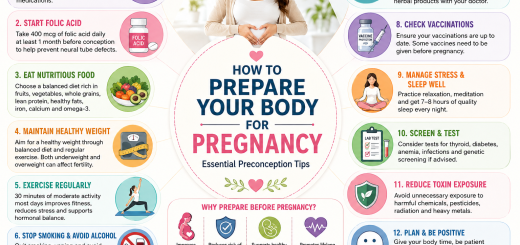
2. Start Folic Acid
Most women who may become pregnant should take 400 mcg of folic acid daily, ideally beginning at least one month before conception. Adequate folic acid helps reduce the risk of neural tube defects affecting the baby’s brain and spine. (CDC)
Women with certain risk factors may need a higher dose under medical supervision.
3. Review Your Medications
Make a complete list of prescription medicines, over-the-counter drugs, vitamins, and herbal supplements. Some medicines may need to be changed before conception.
Never stop an important prescription medicine without consulting your doctor.
4. Check Your Vaccinations
Review your vaccination records before pregnancy. Some vaccines, including MMR when indicated, should be administered before conception rather than during pregnancy. Your healthcare provider can determine which vaccines are appropriate for you. (CDC)
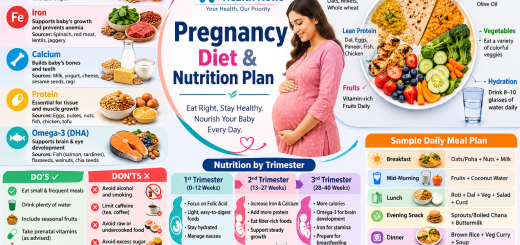
5. Eat a Nutrient-Rich Diet
Build your diet around vegetables, fruits, whole grains, pulses, beans, nuts, seeds, dairy or suitable alternatives, and healthy protein sources.
Important nutrients during the preconception period include folate, iron, calcium, vitamin B12, vitamin D, iodine, and protein.
Internal links:
6. Achieve a Healthy Weight
Being significantly underweight or overweight can affect fertility and pregnancy outcomes. Aim for gradual, sustainable weight management rather than crash diets or extreme exercise.
7. Exercise Regularly
Regular physical activity can improve fitness, support healthy weight management, and promote overall well-being. Walking, swimming, cycling, and appropriate strength exercises are practical choices for many women.
8. Stop Smoking and Vaping
If you smoke or use nicotine products, make a plan to quit before conception. Nicotine exposure can negatively affect reproductive and pregnancy health. The CDC recommends avoiding tobacco products when planning pregnancy. (CDC)
9. Avoid Alcohol and Recreational Drugs
If you are trying to conceive, avoiding alcohol is the safest approach. Alcohol exposure during pregnancy can increase the risk of miscarriage, premature birth, and fetal alcohol spectrum disorders. (CDC)
10. Manage Existing Health Conditions
Good control of conditions such as diabetes, high blood pressure, thyroid disease, epilepsy, and other chronic illnesses before conception can help reduce pregnancy-related risks.
Internal links:
11. Check for Anemia and Nutritional Deficiencies
Your doctor may recommend blood tests based on your history and risk factors. Anemia and nutritional deficiencies should be identified and treated appropriately before pregnancy.
12. Consider Genetic Counseling
Genetic counseling or carrier screening may be appropriate if you have a family history of inherited disorders, previous pregnancy affected by a genetic condition, or other risk factors.
13. Look After Your Dental Health
Schedule a dental checkup if you have untreated cavities, gum disease, tooth pain, or other dental concerns. Maintaining good oral hygiene is part of overall preconception health.
14. Prioritize Sleep and Mental Well-Being
Healthy sleep, stress management, emotional support, and treatment of existing mental-health concerns are important before pregnancy. If persistent anxiety, depression, or severe stress affects daily life, speak with a qualified healthcare professional.
15. Plan When to Seek Fertility Help
Understanding when to seek professional fertility advice can prevent unnecessary delays. Earlier evaluation may be appropriate when there are irregular or absent periods, known reproductive problems, previous pelvic disease, repeated pregnancy loss, or other fertility concerns.
For women without known fertility problems, the appropriate timing for evaluation also depends on age and how long they have been trying.
Quick Preconception Checklist
Before you conceive, try to:
✅ Have a preconception checkup
✅ Take 400 mcg folic acid daily, unless your doctor recommends another dose
✅ Review medications and supplements
✅ Check vaccinations
✅ Eat a balanced diet
✅ Maintain a healthy weight
✅ Exercise regularly
✅ Stop smoking and vaping
✅ Avoid alcohol and recreational drugs
✅ Manage chronic medical conditions
✅ Address anemia and nutritional deficiencies when indicated
✅ Consider genetic counseling when appropriate
✅ Maintain dental health
✅ Prioritize sleep and emotional well-being
✅ Discuss fertility planning with your healthcare provider
Final Takeaway
Preparing for pregnancy starts before the positive pregnancy test. A preconception visit, folic acid supplementation, healthy nutrition, regular activity, medication review, vaccination planning, and good control of existing medical conditions can help establish a healthier foundation for pregnancy. (CDC)
Every woman has different health needs, so individualized advice from a qualified healthcare professional is especially important if you have a chronic condition, take regular medicines, have experienced pregnancy complications, or have concerns about fertility.
30 FAQs: Planning for Pregnancy
1. When should I start preparing for pregnancy?
Ideally, start preparing at least 1–3 months before trying to conceive. Women with medical conditions may benefit from earlier planning.
2. What is preconception care?
Preconception care involves medical and lifestyle steps taken before pregnancy to optimize health, identify risks, review medications, and prepare for conception.
3. Should I have a checkup before trying to conceive?
Yes. A preconception checkup can identify conditions such as anemia, diabetes, thyroid disorders, hypertension, or nutritional deficiencies that may need treatment.
4. How much folic acid should I take before pregnancy?
For most women, 400 mcg of folic acid daily is recommended before conception. Some women require a higher dose under medical supervision.
5. How early should I start folic acid?
Ideally, begin taking folic acid at least one month before conception and continue during early pregnancy.
6. What should I eat when planning pregnancy?
Eat a varied diet containing vegetables, fruits, whole grains, pulses, beans, nuts, seeds, healthy proteins, and appropriate dairy or alternatives.
7. Should I take a prenatal vitamin before pregnancy?
A prenatal supplement may be appropriate, particularly to provide folic acid and other important nutrients. Ask your healthcare provider which supplement is suitable for you.
8. Can being overweight affect pregnancy?
Yes. Excess weight can be associated with difficulties conceiving and increased risks during pregnancy. Gradual, healthy weight management may be beneficial.
9. Can being underweight affect fertility?
Being significantly underweight can affect ovulation and menstrual cycles in some women. Appropriate nutrition and healthy weight gain may improve reproductive health.
10. Is exercise important before conception?
Yes. Regular physical activity supports cardiovascular fitness, muscle strength, healthy weight, and overall well-being.
11. Should I stop smoking before trying for a baby?
Yes. Stopping smoking and avoiding nicotine exposure before conception is strongly recommended because tobacco can adversely affect reproductive and pregnancy health.
12. Can I drink alcohol while trying to conceive?
The safest approach is to avoid alcohol when trying to conceive and throughout pregnancy.
13. Should I stop coffee before pregnancy?
You do not necessarily need to eliminate caffeine completely, but keeping intake moderate is advisable. Discuss your individual intake with your healthcare provider.
14. Should I stop my prescription medicines before pregnancy?
No. Never stop prescribed medication without medical advice. Your doctor can determine whether medicines should be continued, changed, or adjusted before conception.
15. Are herbal supplements safe when planning pregnancy?
Not necessarily. Some herbal products may interact with medicines or may not be appropriate during pregnancy. Discuss supplements with your doctor.
16. Should vaccinations be checked before pregnancy?
Yes. Reviewing your vaccination status before conception is an important part of preconception care. Some vaccines are preferably administered before pregnancy.
17. Should I check my thyroid before pregnancy?
Thyroid testing may be recommended if you have thyroid disease, symptoms, infertility, irregular periods, or other relevant risk factors.
18. Should women with diabetes plan pregnancy differently?
Yes. Good blood-glucose control before conception is particularly important. Women with diabetes should discuss pregnancy planning with their healthcare team.
19. Can high blood pressure affect pregnancy?
Yes. Hypertension can increase pregnancy risks. Blood pressure and medications should be reviewed before conception.
20. Do I need an anemia test before pregnancy?
Your doctor may recommend a blood count or iron testing depending on your symptoms, diet, menstrual history, previous anemia, and other risk factors.
21. Should I have genetic testing before pregnancy?
Genetic counseling or carrier screening may be considered when there is a relevant family history, previous affected pregnancy, or other risk factors.
22. Should I get a dental checkup before pregnancy?
Yes. Addressing dental problems and maintaining good oral hygiene are useful components of overall preconception health.
23. Does sleep matter when planning pregnancy?
Yes. Maintaining regular, adequate sleep supports physical and emotional well-being and helps establish healthy routines before pregnancy.
24. Can stress affect fertility?
Severe or persistent stress can affect overall health and may influence reproductive function in some circumstances. Healthy stress-management strategies can be helpful.
25. Should I avoid chemicals when trying to conceive?
Where possible, reduce unnecessary exposure to pesticides, solvents, heavy metals, and other potentially harmful chemicals, particularly in occupational settings.
26. When should I see a fertility specialist?
Earlier evaluation may be appropriate if you have irregular or absent periods, known reproductive problems, previous pelvic disease, repeated pregnancy loss, or other fertility concerns.
27. Does age affect fertility?
Yes. Female fertility generally declines with age, with a more noticeable decline after the mid-30s. Pregnancy risks can also increase with maternal age.
28. How can I improve my chances of getting pregnant naturally?
Maintain a healthy lifestyle, understand your fertile window, have regular intercourse during the fertile period, avoid smoking and alcohol, and address medical or reproductive problems promptly.
29. What are the most important things to do before conception?
Prioritize a preconception checkup, folic acid, balanced nutrition, healthy weight, regular exercise, medication review, vaccination assessment, and avoidance of tobacco and alcohol.
30. What should I do immediately after getting a positive pregnancy test?
Contact your healthcare provider to arrange appropriate prenatal care. Continue recommended folic acid and prescribed medicines unless your doctor advises otherwise, and avoid alcohol, tobacco, and recreational drugs.
Author Card
About the Author
Dr. Nabaneeta Padhy, MBBS, MD (Obstetrics & Gynaecology)
IVF & Fertility Specialist | Founder, Femelife Fertility Foundation
Dr. Nabaneeta Padhy is an IVF and fertility specialist with expertise in reproductive health, fertility care, preconception counseling, and women’s health. She provides evidence-based guidance for women and couples planning pregnancy, with an emphasis on individualized fertility assessment, healthy lifestyle, appropriate investigations, and preconception care.
Medical Content Reviewed By: Dr. Nabaneeta Padhy
Specialty: Obstetrics & Gynaecology | Fertility & Reproductive Medicine
References
- Centers for Disease Control and Prevention (CDC) – Planning for Pregnancy — CDC: Planning for Pregnancy (CDC)
- CDC – About Folic Acid — CDC: About Folic Acid (CDC)
- World Health Organization (WHO) – Periconceptional Folic Acid Supplementation — WHO: Periconceptional Folic Acid (World Health Organization)
- CDC – Pregnancy and Vaccines — CDC: Pregnancy and Vaccines (CDC)
- CDC – Vaccine Recommendations Before, During, and After Pregnancy — CDC: Vaccine Recommendations (CDC)
- CDC – Preventing Birth Defects — CDC: Preventing Birth Defects (CDC)
- CDC – About Alcohol Use During Pregnancy — CDC: Alcohol and Pregnancy (CDC)
![Lipoprotein(a) [Lp(a)]](https://wikihealthnews.com/wp-content/uploads/2026/08/Understanding_Lipoproteina_Cardiovascular_Risk-scaled-e1787719701457-520x245.png)