
Rambutan: The Exotic Tropical Fruit You Need to Know About
Rambutan: The Exotic Tropical Fruit You Need to Know About
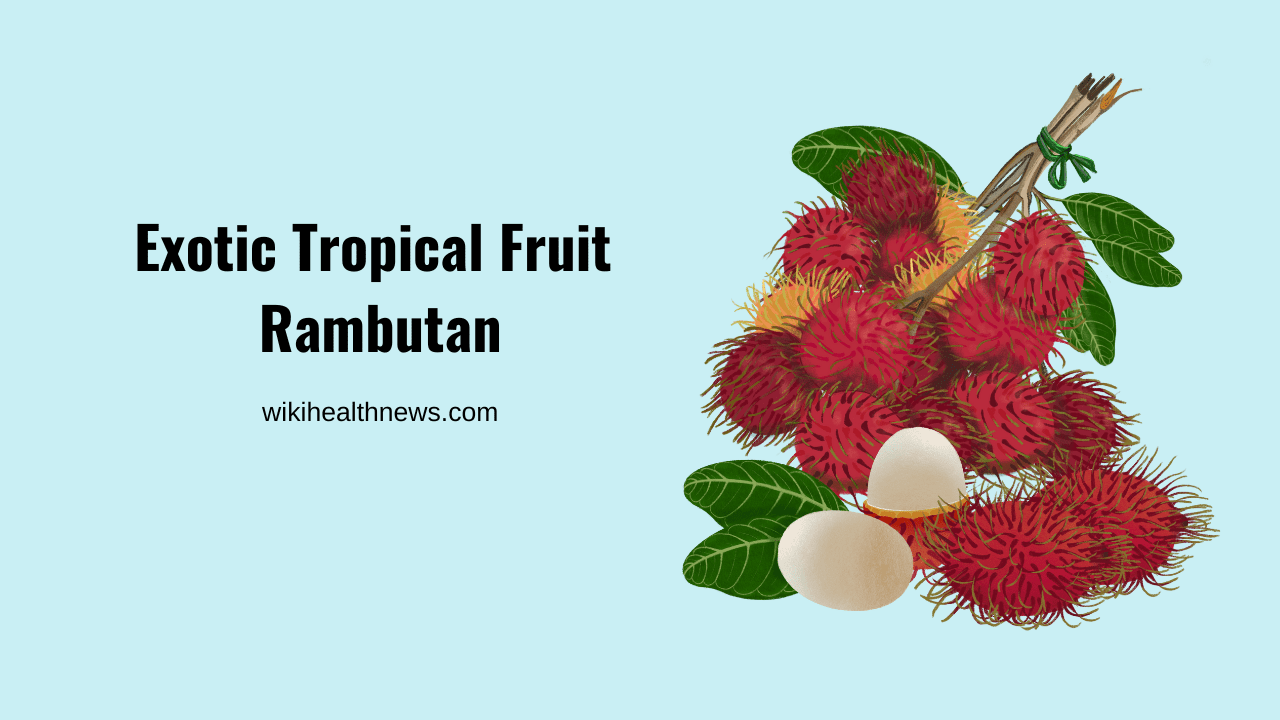
Rambutan is a colorful tropical fruit best known for its bright red or yellow skin covered with soft, hair-like spines. Native to Southeast Asia, rambutan belongs to the same botanical family as lychee and longan. Its juicy, translucent-white flesh has a mildly sweet and refreshing flavor, making it a popular seasonal fruit in tropical regions.
Beyond its distinctive appearance, rambutan provides vitamin C, dietary fiber, copper, manganese and other plant compounds. Like other fruits, it can be part of a balanced diet when consumed in appropriate portions.
What Is Rambutan?
Rambutan (Nephelium lappaceum) is a tropical fruit grown widely in countries such as Indonesia, Malaysia, Thailand, the Philippines and Vietnam. It is also cultivated in other warm regions, including parts of India.
The edible portion is the soft flesh surrounding a central seed. The peel and seed are generally not eaten. The flesh is usually consumed fresh, although rambutan is also used in fruit salads, desserts, beverages and preserves.
The name “rambutan” comes from the Malay word rambut, meaning “hair,” referring to its unusual hairy-looking exterior.
Nutritional Benefits of Rambutan
1. Provides Vitamin C
Rambutan contains vitamin C, an important antioxidant that supports normal immune function and helps the body produce collagen. Vitamin C also contributes to normal wound healing and improves absorption of non-heme iron from plant foods.
Including vitamin-C-containing fruits such as rambutan in a varied diet can therefore contribute to overall nutritional health.
2. Contains Dietary Fiber
Rambutan provides dietary fiber, which supports healthy digestion and normal bowel function. Fiber can also contribute to satiety and may help maintain healthy blood glucose and cholesterol levels when consumed as part of an overall high-fiber diet.
For greater fiber intake, rambutan can be combined with other fruits, vegetables, whole grains, legumes and nuts.
3. Contains Antioxidant Compounds
Rambutan contains various polyphenolic and other bioactive plant compounds. Antioxidants help protect cells from oxidative damage caused by reactive molecules.
However, it is important not to view rambutan as a “detox” food or treatment for disease. Its antioxidant compounds are one part of the broader nutritional benefits provided by eating a variety of fruits and vegetables.
4. Supports a Healthy Diet
Fresh rambutan is relatively water-rich and naturally sweet. Replacing highly processed desserts or sugary snacks with whole fruit can be a useful dietary strategy.
Because rambutan contains naturally occurring carbohydrates, portion size remains important for people who need to monitor their blood glucose or total carbohydrate intake.
5. Provides Important Minerals
Rambutan contains minerals including copper and manganese, although the amounts obtained depend on serving size. These micronutrients contribute to normal metabolic processes and other physiological functions.
A varied diet remains the best way to obtain adequate amounts of essential vitamins and minerals.
Rambutan and Heart Health
Rambutan can fit into a heart-healthy eating pattern because it is a whole fruit and provides fiber and antioxidant compounds.
However, eating rambutan alone does not prevent heart disease. Cardiovascular health depends on the overall dietary pattern and other factors such as blood pressure, LDL cholesterol, diabetes, smoking, physical activity, body weight and family history.
For better cardiovascular nutrition, combine fruits such as rambutan with vegetables, whole grains, legumes, nuts, seeds and other minimally processed foods.
Can People With Diabetes Eat Rambutan?
People with diabetes generally do not need to avoid fruit completely. Rambutan can be included in a diabetes-friendly diet, but portion size and total carbohydrate intake matter.
Whole rambutan is preferable to sweetened canned rambutan or rambutan-based sugary beverages. Combining fruit with a source of protein or healthy fat may also help create a more balanced snack.
Individual dietary requirements vary, so people taking glucose-lowering medication or following a specific diabetes meal plan should follow their healthcare professional’s advice.
How to Eat Rambutan
Choose rambutan that is fresh, firm and free from significant mold or damage. To eat it:
- Wash the fruit thoroughly.
- Make a small cut through the outer skin.
- Peel away the hairy rind.
- Eat the translucent flesh.
- Remove and discard the seed.
The seed should not be routinely consumed, particularly raw. Some traditional preparations use rambutan seeds after processing, but evidence regarding their safety and nutritional benefits is limited.
Fresh Rambutan vs. Canned Rambutan
Fresh rambutan is generally the better choice when available. Canned products may contain added sugar or syrup, increasing the calorie and sugar content.
When purchasing canned rambutan, check the nutrition label and choose products packed in water or with minimal added sugar when possible.
How Much Rambutan Should You Eat?
There is no universally prescribed number of rambutan fruits that everyone should eat. A practical approach is to treat it as one component of your daily fruit intake rather than consuming very large quantities at once.
For most healthy adults, moderate portions of whole fruit can comfortably fit into a balanced diet.
Possible Precautions
Rambutan is generally safe as a food for most people when the edible flesh is consumed appropriately. However:
- Avoid eating the seed.
- Do not eat the peel.
- People with fruit allergies should be cautious if they develop symptoms after eating rambutan.
- Individuals with diabetes should account for rambutan’s carbohydrate content.
- Choose fresh fruit rather than products heavily preserved in sugar syrup.
Rambutan vs. Lychee
Rambutan and lychee are related tropical fruits with juicy, sweet flesh. Rambutan is distinguished by its characteristic hairy/spiny outer skin, whereas lychee has a rougher, more compact rind.
Both can contribute vitamins, minerals and plant compounds to a healthy dietary pattern. Neither should be considered a substitute for medical treatment or a “miracle” food.
Bottom Line
Rambutan is more than an exotic-looking tropical fruit. Its juicy flesh provides vitamin C, fiber, minerals and various plant compounds while adding natural sweetness and variety to the diet.
Enjoy rambutan as whole fruit in moderation, alongside vegetables, whole grains, legumes, nuts, seeds and other nutritious foods. The greatest health benefit comes not from one “superfruit,” but from maintaining a diverse, balanced dietary pattern over time.
Introduction
Rambutan, a fruit that hails from the tropical regions of Southeast Asia, is a unique addition to the world of exotic fruits. With its striking appearance and sweet, juicy flesh, rambutan has gained popularity not just in its native regions but also across the globe. In this article, we will explore the history, cultivation, health benefits, and culinary uses of rambutan, providing a comprehensive guide to this fascinating fruit.
What is Rambutan?
Rambutan (Nephelium lappaceum) belongs to the family Sapindaceae, which includes other tropical fruits like lychee and longan. Its name is derived from the Malay word “rambut,” meaning hair, which perfectly describes its spiky, hairy exterior. The fruit typically measures about 2 to 6 inches long, with a leathery red or yellow skin and soft, hair-like spines that give it a distinctive look.
Historical Background
Rambutan is believed to have originated in the Malay-Indonesian region and other tropical areas of Southeast Asia. It has been cultivated for centuries and is now grown in various countries, including Malaysia, Thailand, Indonesia, and the Philippines. In recent years, rambutan has also found its way to Central America and other tropical regions, making it more accessible to a global audience.
Cultivation and Growing Conditions
Rambutan trees thrive in tropical climates with high humidity and well-drained soil. They prefer temperatures between 75°F and 90°F (24°C to 32°C) and require consistent rainfall throughout the year. Rambutan trees can grow up to 50 feet tall and take about 5 to 7 years to bear fruit. The fruit is typically harvested from May to September, depending on the region.
Planting and Care
To cultivate rambutan, it is essential to start with healthy seedlings or grafted plants. Proper spacing (about 30 feet apart) allows for ample growth. Regular watering is crucial, especially during dry spells, while fertilization with organic matter promotes healthy growth. Pruning is also necessary to maintain the tree’s shape and encourage fruit production.
Nutritional Profile
Rambutan is not only delicious but also packed with essential nutrients. A 100-gram serving of rambutan contains:
- Calories: 68
- Carbohydrates: 16 g
- Fiber: 0.9 g
- Protein: 0.9 g
- Fat: 0.2 g
- Vitamin C: 13.2 mg (22% of the Daily Value)
- Calcium: 22 mg
- Iron: 0.38 mg
This vibrant fruit is particularly rich in vitamin C, which is vital for immune health and skin integrity. Additionally, it contains antioxidants, including flavonoids and polyphenols, which can help combat oxidative stress in the body.
Health Benefits of Rambutan
1. Boosts Immunity
The high vitamin C content in this fruit is a powerful immune booster. Regular consumption can help the body ward off infections and illnesses by enhancing the production of white blood cells.
2. Aids Digestion
Rambutan is a good source of dietary fiber, which aids in digestion and helps maintain gut health. Fiber can prevent constipation and promote regular bowel movements, contributing to overall digestive wellness.
3. Supports Skin Health
The antioxidants in rambutan can benefit skin health by reducing inflammation and promoting a radiant complexion. Vitamin C is also crucial for collagen production, which helps maintain skin elasticity and firmness.
4. Promotes Hydration
With its high water content, this exotic fruit is an excellent choice for staying hydrated, especially in hot weather. It can be a refreshing snack that replenishes fluids lost through sweat.
5. May Help Manage Blood Sugar Levels
Some studies suggest that the fiber in rambutan may help regulate blood sugar levels by slowing down the absorption of sugars in the bloodstream, making it a suitable option for those managing diabetes.
Culinary Uses of Rambutan
Rambutan can be enjoyed in various ways, both fresh and cooked. Here are some popular culinary uses:
1. Fresh Consumption
The most common way to enjoy this fruit is to eat it fresh. Simply cut the skin and pop the translucent flesh into your mouth. Its sweet, mildly acidic flavor makes for a delicious snack.
2. Fruit Salads
Rambutan can be added to fruit salads for a burst of flavor and color. Combine it with other tropical fruits like mango, pineapple, and kiwi for a refreshing dish.
3. Smoothies
Blend it with yogurt or coconut milk to create a delightful smoothie. Its unique flavor pairs well with other fruits and adds a creamy texture.
4. Desserts
In some cultures, rambutan is used in desserts such as puddings, jellies, and ice creams. Its sweet taste can enhance various sweet dishes.
5. Savory Dishes
This tropical fruit can also be incorporated into savory dishes, adding a unique twist. Consider using it in salads, salsas, or even stir-fries for a contrasting flavor.
How to Choose and Store Rambutan
When selecting rambutan, look for fruits with vibrant color and firm skin. Avoid those that appear dull or have blemishes. Rambutan is best consumed fresh, but if you need to store it, keep it in the refrigerator for up to a week. It’s best enjoyed at room temperature to enhance its flavor.
Conclusion
Rambutan is a delightful and nutritious fruit that deserves a place in your diet. Its unique appearance, health benefits, and versatility in the kitchen make it a must-try for anyone interested in exotic fruits. Whether you enjoy it fresh, in salads, or as part of a dessert, it is sure to add a tropical touch to your culinary adventures. So, the next time you spot this spiky gem in a market, don’t hesitate to give it a try!
Read More