Tests for Heart Disease | Tests & Procedures
Tests for Heart Disease | Tests & Procedures
Complete Guide to Diagnostic Tests for Heart Disease | Tests & Procedures
Published: January 2026 | Medically Reviewed: August 2026
Discover essential tests for heart disease, from blood panels to advanced cardiac imaging. Learn how early detection saves lives with expert medical insights.
Wiki Health News Editorial Team
Medical Reviewer: Dr. Sujit Kumar Sahu (MBBS, MD [Medicine], DrNB [Cardiology], Apollo Hospitals, Chennai, India / KIMS-SS, Bhubaneswar)
Heart disease remains one of the leading global health challenges, yet many cardiovascular conditions develop silently without obvious warning signs. Early detection through comprehensive diagnostic testing is the single most effective strategy for preventing heart attacks, managing heart failure, and arresting arterial disease before it progresses.
Modern cardiology employs a spectrum of diagnostic modalities—ranging from straightforward blood panels to sophisticated 3D arterial imaging—to assess structural, electrical, and vascular health.
Non-Invasive Screenings & Blood Biomarkers
Initial cardiac evaluations typically focus on non-invasive assessments to evaluate baseline metabolic risk and electrical activity:
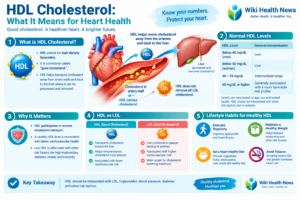
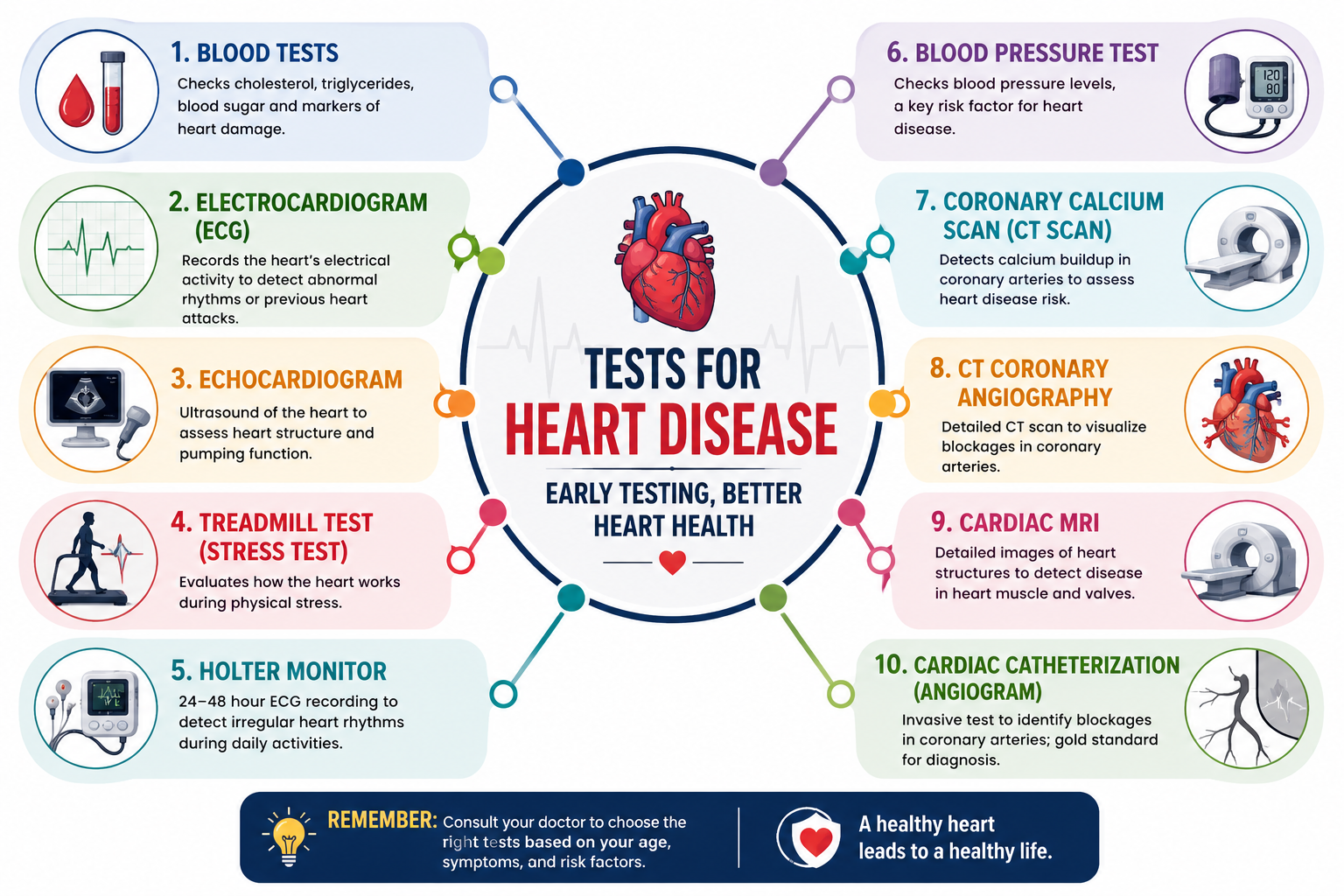
- Comprehensive Blood Panels: Biomarkers offer vital clues about arterial inflammation and cellular damage. A lipid panel evaluates LDL, HDL, and triglycerides, while High-Sensitivity C-Reactive Protein (hs-CRP) checks for vascular inflammation. Troponin blood tests are critical in acute settings to detect subtle heart muscle injury.
- Electrocardiogram (ECG/EKG): A fundamental non-invasive test that measures the electrical impulses of the heart. It identifies abnormal heart rhythms (arrhythmias), detects poor blood flow (ischemia), and highlights evidence of past or active heart attacks.
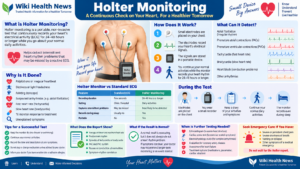
- Ambulatory Monitoring: Devices like Holter monitors (worn for 24 to 48 hours) or continuous patch monitors track irregular rhythms that may not occur during a standard office ECG.
Advanced Cardiac Imaging
When physicians need to visualize heart structures, valve function, or coronary arteries, advanced imaging modalities provide high-resolution details without surgery:
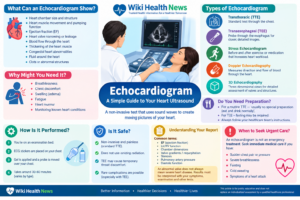
- Echocardiogram (Cardiac Ultrasound): Uses high-frequency sound waves to construct real-time moving pictures of the heart. It allows cardiologists to calculate ejection fraction (pumping efficiency), evaluate valve integrity, and assess chamber sizes.
- Coronary Calcium Scan (CT): A specialized low-radiation CT scan that measures calcified plaque accumulation within the coronary arteries, offering a accurate assessment of early-stage atherosclerosis.
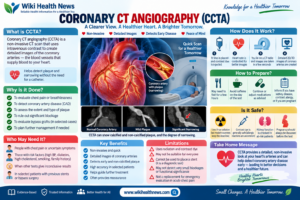
- Coronary CT Angiography (CCTA): Combines intravenous contrast dye with advanced computed tomography to produce detailed 3D visual maps of the coronary arteries, effectively pinpointing soft and hard arterial blockages.
- Cardiac Magnetic Resonance Imaging (MRI): Uses strong magnetic fields to generate precise images of cardiac tissue. It is particularly effective for diagnosing myocarditis, cardiomyopathies, congenital defects, and tissue scarring.
Functional & Invasive Diagnostics
When symptoms present primarily during exertion, or when non-invasive findings require definitive confirmation, functional and invasive procedures are utilized:
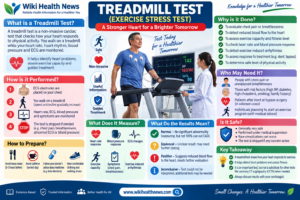
- Exercise & Pharmacological Stress Testing: Monitors heart rate, blood pressure, and electrical activity while the patient exercises on a treadmill or stationary bike. For patients unable to exercise, medication is administered to simulate physical strain on the heart.
- Nuclear Stress Test: Integrates minute amounts of radioactive tracers with imaging during rest and peak exertion to map blood flow distribution across the myocardium.
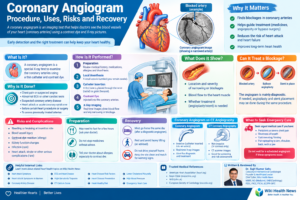
- Coronary Angiography (Cardiac Catheterization): Considered the gold standard for diagnosing coronary artery disease. A thin, flexible catheter is guided through a blood vessel in the wrist or groin directly into the coronary arteries. Contrast dye is injected, allowing real-time X-ray visualization of arterial blockages and enabling immediate intervention (such as angioplasty or stent placement) if needed.
Prioritizing Early Assessment
Cardiovascular diagnostic testing has evolved to catch heart disease long before major symptoms appear. Consult a board-certified cardiologist to determine which diagnostic pathway aligns best with your medical history, symptoms, and risk profile. Early evaluation remains the key to long-term heart health.
Bio Cards / Author Profiles:
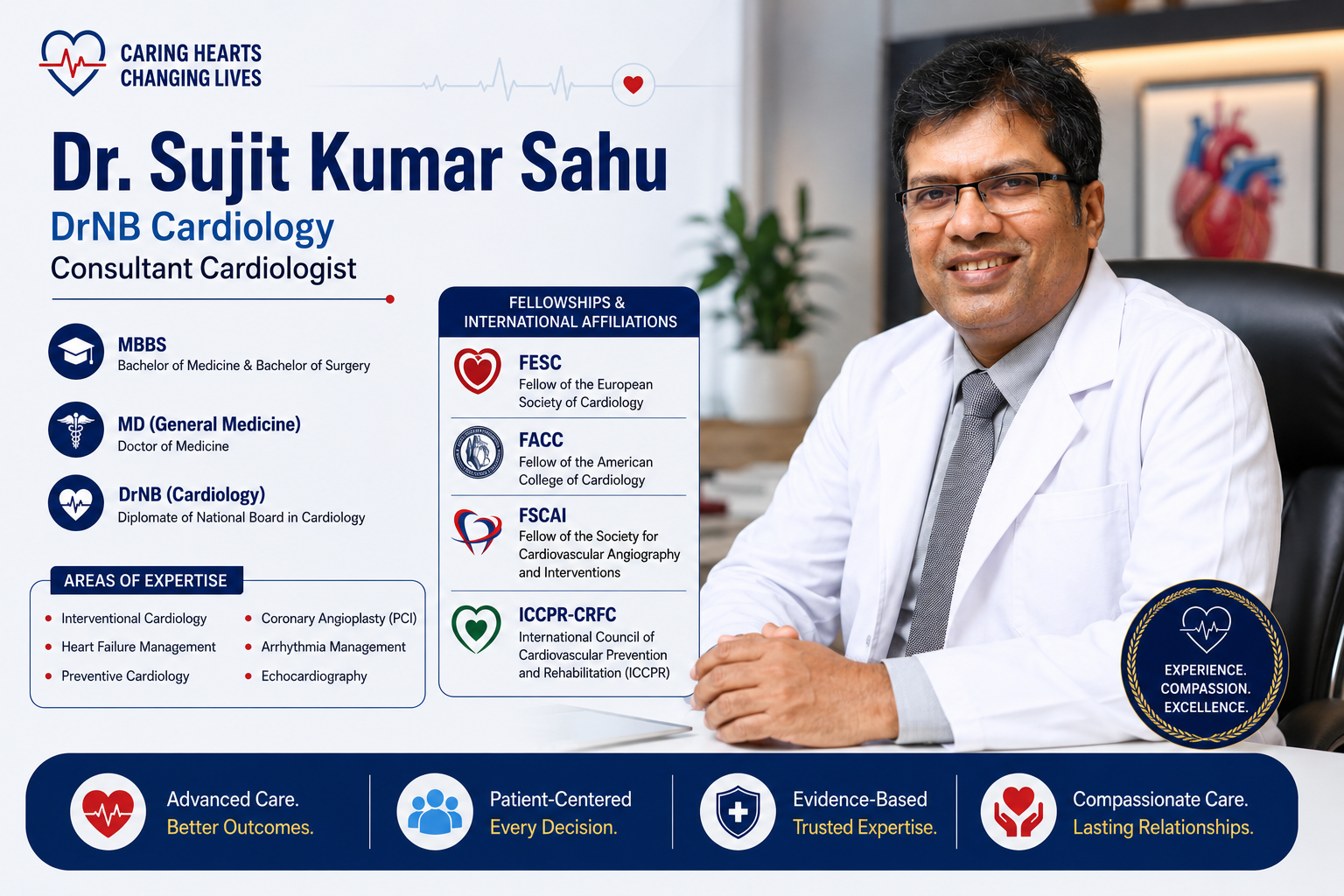
Dr. Sujit Kumar Sahu – Consultant Interventional Cardiologist
Heart Disease Tests: A Complete Guide to Diagnosis and Screening
Heart Disease Tests: ECG, Echo, Stress Test & More
Learn about the tests used to detect heart disease, including ECG, echocardiogram, blood tests, stress tests, CT angiography and cardiac catheterization.
Wiki Health News Editorial Team
Dr. Sujit Kumar Sahu, MBBS, MD (Medicine), DrNB (Cardiology), Apollo Hospitals, Chennai, India; KIMS-SS, Bhubaneswar
Heart disease includes several conditions affecting the heart and blood vessels, including coronary artery disease, heart rhythm disorders, heart failure and valve problems. Doctors do not use one test to diagnose every type of heart disease. Instead, the choice of test depends on symptoms, medical history, risk factors and the suspected heart condition. (Mayo Clinic)
Common Tests for Heart Disease
1. Electrocardiogram (ECG or EKG)
An ECG is one of the most commonly performed heart tests. It records the heart’s electrical activity and can identify abnormal rhythms and certain changes associated with a heart attack or previous heart damage. The test is quick, painless and non-invasive. (Mayo Clinic)
2. Blood Tests
Blood tests can help identify cardiovascular risk factors and detect heart muscle injury. A lipid profile measures cholesterol and triglycerides, while blood glucose and HbA1c help assess diabetes risk. When a heart attack is suspected, doctors commonly check cardiac troponin, a protein released when heart muscle is damaged. (Mayo Clinic)
3. Echocardiogram
An echocardiogram, or heart ultrasound, uses sound waves to create images of the heart. It can assess heart size, pumping function, blood flow and heart valves. Different types include transthoracic echocardiography, transesophageal echocardiography and stress echocardiography. (www.heart.org)
4. Holter and Other Heart Rhythm Monitoring
A Holter monitor is a portable ECG device worn for a day or longer. It continuously records heart rhythm and can detect intermittent abnormal heartbeats that may not appear during a standard ECG. Longer-term event or patch monitors may be used when symptoms occur less frequently. (Mayo Clinic)
5. Stress Tests
An exercise stress test evaluates how the heart responds when it works harder, usually while walking on a treadmill or riding a stationary bicycle. Stress testing may help identify problems related to blood flow, coronary artery disease or exercise-induced abnormal rhythms. Stress testing can also be combined with echocardiography or nuclear imaging. (Mayo Clinic)
6. Coronary CT Angiography (CCTA)
CCTA uses X-rays and contrast dye to produce detailed images of the heart and coronary arteries. It can help identify plaque buildup and narrowing in coronary arteries and may be useful when additional information is needed after initial evaluation. (www.heart.org)
7. Cardiac MRI
Cardiac magnetic resonance imaging uses a magnetic field and radio waves to produce detailed images of the heart. It can provide information about heart structure, function and damage to the heart muscle. (Mayo Clinic)
8. Coronary Angiography and Cardiac Catheterization
Cardiac catheterization involves guiding a thin catheter through a blood vessel to the heart. During coronary angiography, contrast dye is injected so doctors can visualize the coronary arteries and identify significant blockages. In appropriate cases, treatment such as angioplasty may also be performed during the procedure. (Mayo Clinic)
Which Heart Tests Are Needed?
Not everyone with a heart-health concern needs every test. A doctor usually starts with symptoms, physical examination, blood pressure and medical history, then selects investigations based on the suspected condition and individual risk. (Mayo Clinic)
People with chest pain, breathlessness, fainting, palpitations or unexplained fatigue may require medical evaluation. If symptoms suggest a possible heart attack, urgent assessment with an ECG and blood tests such as troponin may be necessary. (www.heart.org)
Key Takeaway
Heart disease testing ranges from simple blood tests and an ECG to advanced imaging and invasive coronary angiography. The right combination depends on the person’s symptoms, risk factors and suspected diagnosis. Testing should therefore be guided by a qualified healthcare professional rather than performed as a routine package without medical indication.
Related Heart Health Articles
If you are concerned about your cardiovascular health, understanding when testing may be appropriate is important. Read our guide to Recommended Heart Health Screenings to learn about routine cardiovascular checks. You can also explore Cardiovascular Examination to understand what doctors assess during a heart evaluation. For coronary artery concerns, read Signs of Blocked Arteries in the Heart and Blocked Arteries in the Heart. Learn how cholesterol affects cardiovascular risk in Cholesterol and Heart Disease and understand less obvious heart attack symptoms with our guide to Silent Heart Attack.