What to Eat Before Pregnancy: Best Foods for Preconception Health
What to Eat Before Pregnancy: Best Foods for Preconception Health
Planning a pregnancy is an ideal time to improve your nutrition. A balanced preconception diet can help support overall health, maintain a healthy weight, and provide important nutrients needed during the earliest stages of pregnancy. WHO recommends a diverse diet built around vegetables, fruits, legumes, whole grains, nuts, seeds and appropriate protein sources. (World Health Organization)
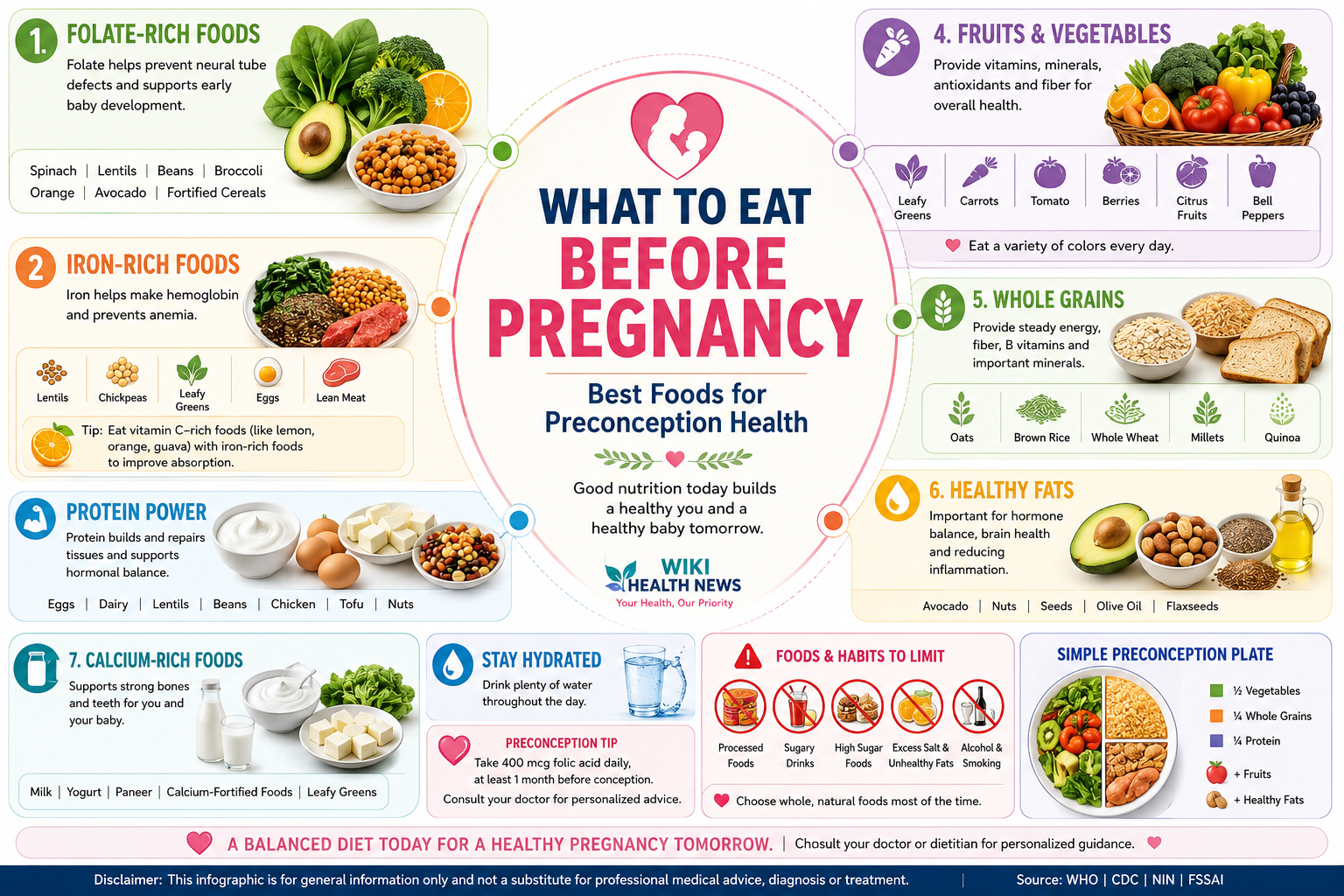
1. Eat Plenty of Folate-Rich Foods
Folate is one of the most important nutrients before pregnancy because it is needed for early fetal development. Good food sources include spinach and other leafy green vegetables, lentils, beans, peas, broccoli, oranges, avocado and fortified cereals.
Food alone may not provide enough folic acid for pregnancy planning. CDC recommends that women who could become pregnant take 400 mcg of folic acid daily, beginning at least one month before conception. (CDC)
Read more about Folic Acid Before Pregnancy.
2. Choose Iron-Rich Foods
Iron helps make hemoglobin, which carries oxygen throughout the body. Before pregnancy, include foods such as lentils, beans, chickpeas, leafy greens, eggs, lean meat and fish.
Plant-based sources of iron can be combined with vitamin-C-rich foods such as oranges, guava, tomatoes or bell peppers to support iron absorption.
Explore this guide to Iron-Rich Foods.
3. Include High-Quality Protein
Protein supports tissue maintenance and provides amino acids needed for growth and development. Include a variety of protein sources such as:
- Eggs
- Fish
- Chicken
- Milk and yogurt
- Lentils and dal
- Beans and chickpeas
- Soy and tofu
- Nuts and seeds
Vegetarian diets can also provide adequate protein when a variety of plant foods are eaten regularly.
4. Eat More Fruits and Vegetables
Aim for a colorful variety of fruits and vegetables rather than relying on just one or two types. Green leafy vegetables provide folate and other micronutrients, while colorful fruits and vegetables contribute vitamin C, carotenoids, potassium and dietary fiber.
WHO emphasizes dietary diversity, with fruits, vegetables, legumes and whole grains forming important parts of a healthy eating pattern. (World Health Organization)
You may also like Vitamin C Rich Foods.
5. Choose Whole Grains
Replace refined carbohydrates with nutritious whole grains when possible. Options include oats, brown rice, whole-wheat roti, millets, quinoa and other minimally processed grains.
Whole grains provide carbohydrates for energy along with fiber and other nutrients. A healthy diet should emphasize minimally processed foods and limit foods high in unhealthy fats, added sugars and excess sodium. (World Health Organization)
6. Add Healthy Fats
Healthy fats are an important part of a balanced diet. Include foods such as avocado, walnuts, almonds, chia seeds, flaxseeds and vegetable oils.
Fish can also be an excellent source of omega-3 fatty acids. When planning pregnancy, choose fish carefully and follow pregnancy-specific advice regarding fish species and mercury exposure.
7. Include Calcium-Rich Foods
Calcium supports bone and teeth health. Good sources include milk, yogurt, paneer, calcium-fortified foods, tofu and some leafy green vegetables.
If you avoid dairy products, discuss suitable calcium-fortified alternatives with a healthcare professional.
8. Stay Hydrated
Water should be your main beverage. Adequate hydration supports normal body functions and can help replace sugary drinks with healthier choices.
9. Foods and Habits to Limit
Before and during pregnancy, reduce your intake of highly processed foods, excessive added sugar, trans fats and foods high in sodium. WHO recommends a balanced diet based mainly on minimally processed and unprocessed foods. (World Health Organization)
If you are planning pregnancy, it is also important to avoid alcohol and smoking. CDC advises discussing medications, supplements, medical conditions and lifestyle factors with a healthcare professional before pregnancy. (CDC)
Simple Preconception Plate
A practical meal can include:
½ plate: vegetables and salad
¼ plate: whole grains such as brown rice or whole-wheat roti
¼ plate: protein such as dal, beans, eggs, fish, chicken or tofu
Plus: fruit and a suitable dairy or fortified alternative
Final Takeaway
Focus on a varied, nutrient-dense diet containing vegetables, fruits, legumes, whole grains, protein foods, healthy fats and calcium-rich foods. Most importantly, remember that nutrition and supplements work together: 400 mcg of folic acid daily is recommended for women who could become pregnant, starting at least one month before conception. (CDC)
A preconception consultation can help identify individual nutritional needs, anemia, medical conditions, medications or supplements that may need attention before pregnancy.
References
- CDC — Planning for Pregnancy
- CDC — About Folic Acid
- CDC — Folic Acid: Sources and Recommended Intake
- WHO — Healthy Diet
- WHO — Healthy Diet: India
- WHO — Periconceptional Folic Acid Supplementation
30 FAQs: What to Eat Before Pregnancy
1. What should I eat before pregnancy?
Eat a balanced diet that includes vegetables, fruits, whole grains, pulses, beans, protein-rich foods, healthy fats, and calcium-rich foods.
2. Which foods are best for preconception health?
Folate-rich vegetables, lentils, beans, eggs, dairy or fortified alternatives, whole grains, nuts, seeds, and appropriate protein sources are good choices.
3. Why is folate important before pregnancy?
Folate supports early cell growth and development. Adequate folic acid intake before conception helps reduce the risk of neural tube defects.
4. Should I take folic acid if I eat healthy foods?
Yes. A healthy diet is important, but most women who could become pregnant are advised to take 400 mcg of folic acid daily.
5. When should I start eating healthy before pregnancy?
Ideally, begin improving your diet several months before trying to conceive. Starting healthy habits early gives you time to address nutritional deficiencies and reach a healthy weight.
6. Which vegetables are good before pregnancy?
Leafy green vegetables, broccoli, spinach, carrots, tomatoes, bell peppers, and other colorful vegetables can contribute important vitamins, minerals, and fiber.
7. Are fruits important for preconception health?
Yes. Fruits provide vitamins, minerals, fiber, and other beneficial nutrients. Choose a variety of fruits rather than relying on only one type.
8. What are good protein sources before pregnancy?
Eggs, fish, chicken, lentils, dal, beans, chickpeas, soy, tofu, milk, yogurt, nuts, and seeds can contribute protein to a balanced diet.
9. Should vegetarians change their diet before pregnancy?
Vegetarians can follow a healthy preconception diet, but should pay attention to nutrients such as iron, vitamin B12, protein, iodine, and other nutrients depending on their dietary pattern.
10. Which foods are rich in iron?
Iron-rich foods include lentils, beans, chickpeas, leafy greens, eggs, meat, and some fortified foods.
11. How can I improve iron absorption from food?
Combining plant-based iron sources with vitamin-C-rich foods such as oranges, guava, tomatoes, or bell peppers can help improve absorption.
12. Are whole grains good before pregnancy?
Yes. Whole grains such as oats, brown rice, whole wheat, millets, and other minimally processed grains can provide energy, fiber, and nutrients.
13. Should I eat healthy fats before pregnancy?
Yes. Healthy fats are part of a balanced diet. Nuts, seeds, avocado, and appropriate vegetable oils are useful dietary sources.
14. Is fish good when planning pregnancy?
Fish can provide protein and beneficial nutrients, including omega-3 fatty acids. Choose varieties according to local recommendations regarding mercury and food safety.
15. Should I drink milk before pregnancy?
Milk and other dairy foods can provide protein and calcium. If you do not consume dairy, suitable fortified alternatives may help meet nutritional needs.
16. How much water should I drink when planning pregnancy?
Hydration needs vary. Drink regularly throughout the day and adjust for your activity level, climate, and individual health needs.
17. Should I avoid junk food before pregnancy?
It is best to limit highly processed foods high in added sugars, unhealthy fats, and excess sodium and focus mainly on nutrient-dense foods.
18. Can being high BMI affect fertility?
Excess body weight can affect fertility and may increase certain pregnancy risks. Gradual, sustainable weight management may be beneficial.
19. Can being underweight affect fertility?
Being significantly underweight may affect menstrual cycles and ovulation in some women. Adequate nutrition and healthy weight management are important.
20. Should I avoid alcohol before pregnancy?
If you are planning pregnancy, avoiding alcohol is the safest approach.
21. Can caffeine affect pregnancy planning?
Moderate caffeine intake may be acceptable for many women, but excessive intake should be avoided. Discuss your individual consumption with your healthcare provider.
22. Do I need a prenatal vitamin before pregnancy?
A prenatal supplement may be appropriate, particularly for folic acid. Your healthcare professional can recommend a supplement based on your individual nutritional needs.
23. Should I take iron supplements before pregnancy?
Iron supplements are not necessary for everyone. Your doctor may recommend them if you have anemia, iron deficiency, heavy menstrual bleeding, or other risk factors.
24. Can I follow a vegetarian or vegan diet during preconception?
Yes, but careful planning is important to ensure adequate protein, vitamin B12, iron, calcium, iodine, and other essential nutrients.
25. Should I eat organic food before pregnancy?
You do not need to eat exclusively organic foods. Focus on eating a varied diet, washing produce properly, and following safe food-handling practices.
26. What foods should I avoid when planning pregnancy?
Limit highly processed foods, excessive added sugar, and foods high in unhealthy fats or sodium. Avoid alcohol and discuss supplements or herbal products with your healthcare provider.
27. Can diet improve fertility?
A balanced diet supports overall and reproductive health, but no single food or diet can guarantee pregnancy.
28. How important is weight before pregnancy?
Maintaining a healthy weight can support fertility and reduce certain pregnancy-related risks.
29. What is the best diet for preconception health?
There is no single perfect diet. A varied eating pattern rich in vegetables, fruits, whole grains, legumes, protein foods, and healthy fats is a practical approach.
30. What is the most important nutrition advice before pregnancy?
Eat a varied, nutrient-rich diet and take 400 mcg of folic acid daily if you could become pregnant, unless your doctor recommends a different dose.
Recommended Internal Links to Add Within the Article
Use these naturally as contextual anchor text:
- Folic Acid Before Pregnancy: Why It Matters and When to Start
- Preconception Care: What Every Woman Should Know Before Pregnancy
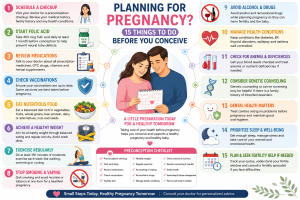
- Planning for Pregnancy: 15 Things to Do Before You Conceive
- First Trimester of Pregnancy Diet
- Vitamin C Rich Foods
- Iron-Rich Foods: Best Sources for Your Diet
- Balanced Diet Plan
- Healthy Weight Management
- Preparing Your Body for Pregnancy
- Pregnancy Nutrition and Healthy Eating
About the Author
Dr. Nabaneeta Padhy, MBBS, MD (Obstetrics & Gynaecology)
IVF & Fertility Specialist | Founder, Femelife Fertility Foundation
Dr. Nabaneeta Padhy is an experienced IVF and fertility specialist with expertise in reproductive health, fertility care, preconception counseling, pregnancy planning, and women’s health. She provides evidence-based guidance to women and couples preparing for pregnancy, with a focus on healthy nutrition, lifestyle modification, fertility assessment, and individualized reproductive care.
Medical Content Reviewed By: Dr. Nabaneeta Padhy
Specialty: Obstetrics & Gynaecology | Fertility & Reproductive Medicine
Medical Disclaimer
The information provided in this article is intended for general educational and informational purposes only. It should not be considered a substitute for professional medical advice, diagnosis, or treatment.
Nutritional requirements before pregnancy can vary depending on age, dietary habits, body weight, medical conditions, medications, and previous pregnancy history. Women with anemia, diabetes, thyroid disorders, PCOS, fertility concerns, previous pregnancy complications, or other medical conditions should seek individualized advice from a qualified healthcare professional.
Always consult an obstetrician-gynaecologist, fertility specialist, doctor, or registered dietitian before starting high-dose supplements or making significant dietary changes.
Wiki Health News provides health information for educational purposes and does not replace personalized medical consultation.